If You're Curious About These Questions...
You should listen to this audiobook
- What if the secret to thriving in a corporate environment isn't a promotion or a raise, but learning how to treat yourself like your own most important client?
- Have you ever wondered why waiting for your company to solve your burnout never works—and what practical steps you can take to reclaim your agency today?
- Are you curious about the strategic mindset shift that turns you from a passive employee into the CEO of your own career path?
Listen to Betting on You — Free Audiobook
Loading player...
Key Takeaways from Betting on You
- Discover how to become your own best HR advocate by taking charge of your life and prioritizing personal well-being over a toxic work environment.
- Learn why you should stop defining yourself by your job title and how becoming a 'professional slacker' can cure burnout without sacrificing productivity.
- Understand the power of conducting a 'premortem' before a new project to anticipate potential failures and increase your chances of success by 30 percent.
- Master the art of being a pragmatic dreamer by visualizing exactly what you want and planning for every contingency before making major career changes.
- Find out how to channel your inner CEO to confidently advocate for yourself and demand the compensation you are truly worth.
Learning Tools
Reinforce what you learned from Betting on You
Mind Map
Betting on You
Take Charge of Your Life+
Detach Identity from Work+
Plan for Failure+
Advocate for Your Worth+
Escape the Rut+
Smart Job Seeking+
Strategic Quitting+
Be Your Own HR+
Quiz — Test Your Understanding
Question 1 of 9
What was the true significance of the author's trip to Mexico for weight-loss surgery?
Question 2 of 9
According to the book, what is the main benefit of becoming a 'professional slacker'?
Question 3 of 9
How does conducting a 'premortem' before a new project or career move help ensure success?
Question 4 of 9
What lesson does the author suggest everyday workers should learn from highly paid CEOs and top executives?
Question 5 of 9
What does the author recommend as the very first step if you are feeling bored, aimless, or stuck in a rut at work?
Question 6 of 9
What distinguishes a 'smart job seeker' from what the author calls a 'squishy job seeker'?
Question 7 of 9
Why does the author advise against quitting a job in a rage?
Question 8 of 9
What unconventional advice does the author give regarding resigning from a job that is a bad fit?
Question 9 of 9
How should you handle onboarding at a new job, according to the author's advice on 'becoming your own HR department'?
Betting on You — Full Chapter Overview
- 1Recommendation
- 2No One Can Save You but You
- 3Stop Defining Yourself by Your Job and Become a Professional Slacker
- 4Avoid Failure by Doing a Premortem Before Starting a New Project
- 5Tap Into Your Inner CEO and Ask to Be Paid What You’re Worth
- 6When You’re Stuck in a Rut, Learn Something New
- 7Become a Smarter Job Seeker
- 8Never Quit in Anger
- 9Be the HR Department You Wish Existed
- 10Final summary
Betting on You Summary & Overview
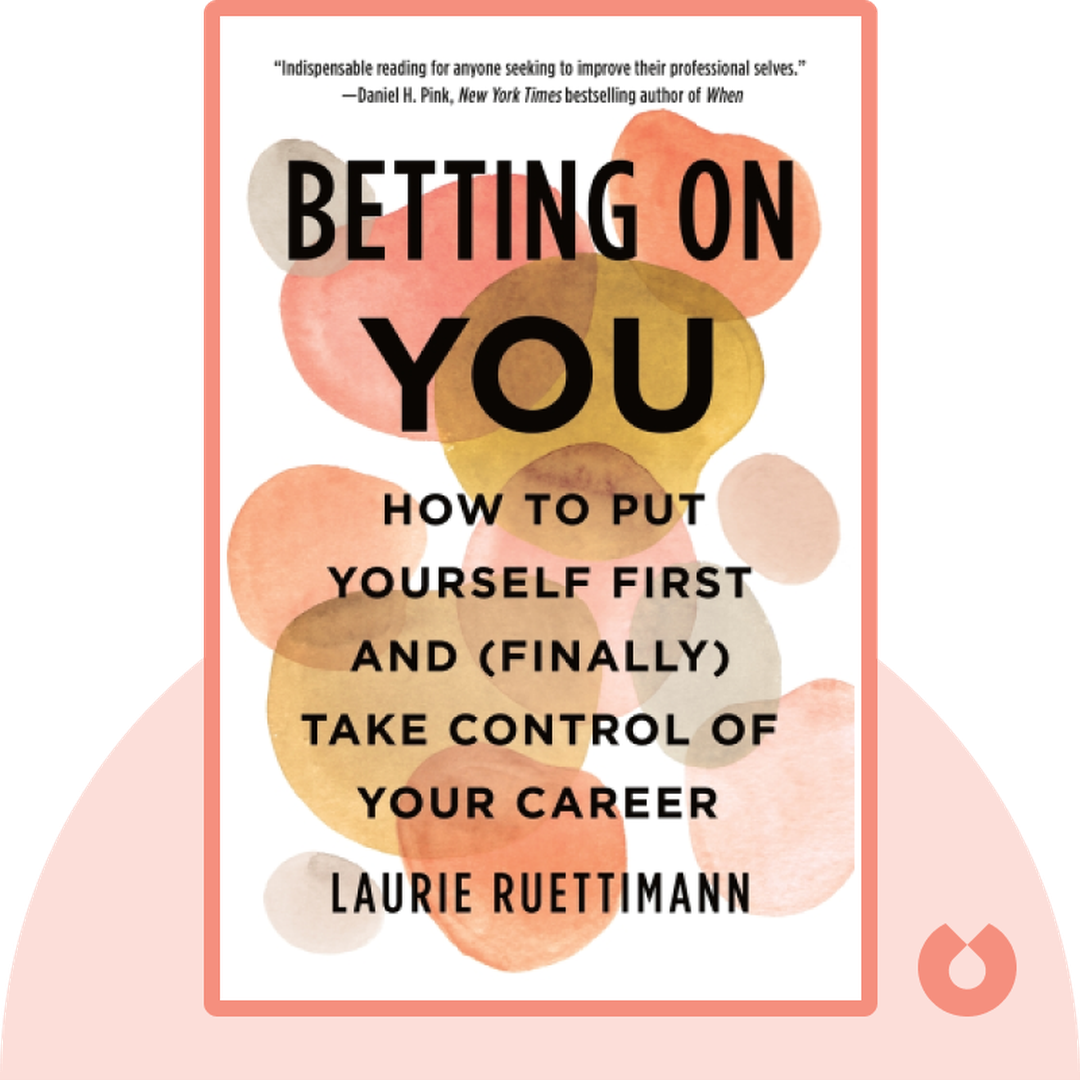
Betting on You (2021) is a hands-on guide to navigating the modern workplace. If you’re an employee in a big corporation, it can feel like you have no agency over your work life. But by putting yourself first and changing your mindset about work, you can make big changes right where you are. And if you need to leave your job, you can plan strategically for the next chapter.
Who Should Listen to Betting on You?
- People looking for more autonomy and purpose in their careers
- HR departments wanting to up their game
- Burnt-out entrepreneurs looking to change their work habits
Books Similar to Betting on You
Readers who enjoyed this also liked these titles.