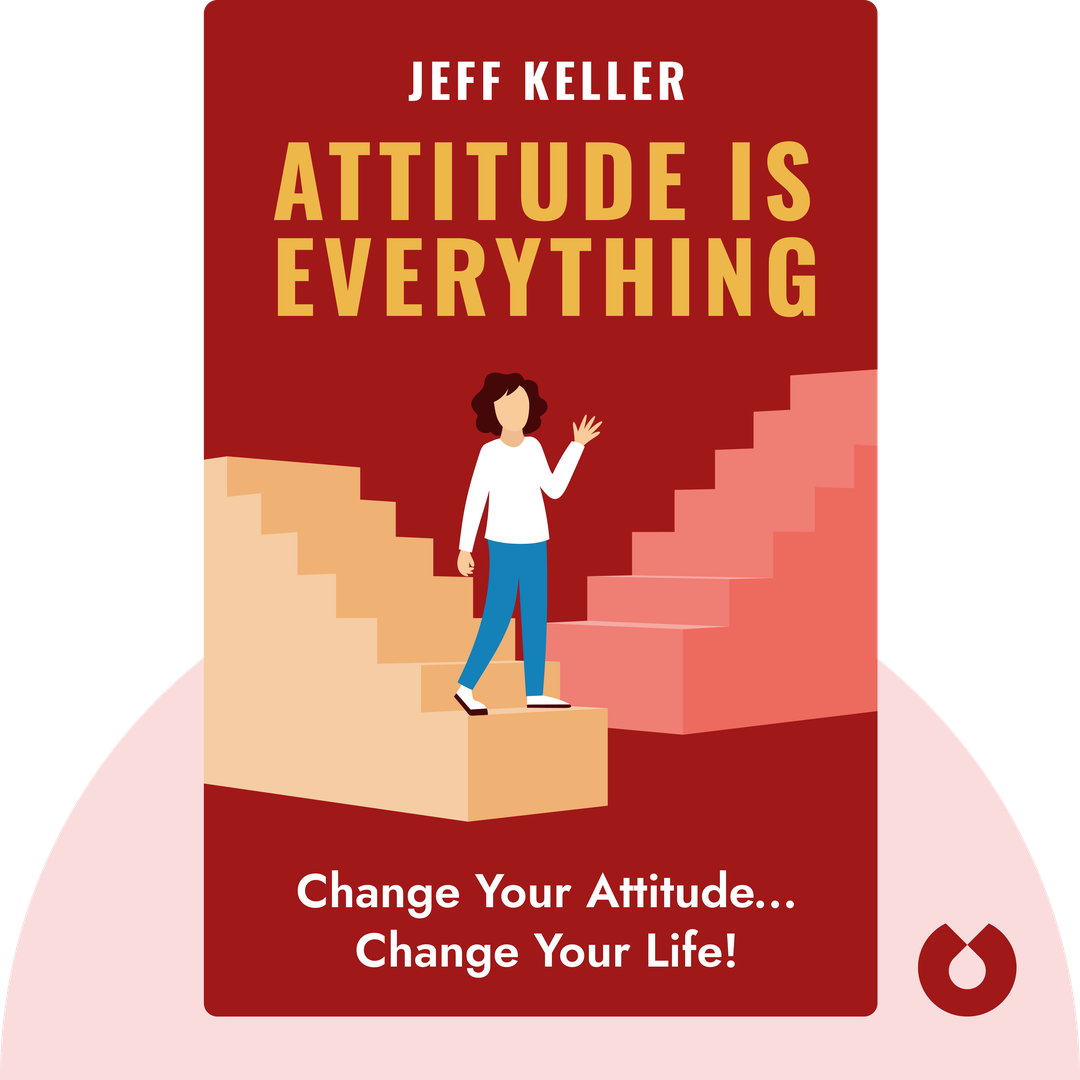
Attitude Is Everything
Start ListeningDownload Try free on iPhoneScan to start in 5 seconds
Categories:
If You're Curious About These Questions...
You should listen to this audiobook
- Did you know that the specific words you use in daily conversation could be the hidden barrier holding you back from your next big breakthrough?
- What if you could master a simple mental technique that turns every setback into a powerful opportunity for growth?
- Have you ever wondered why some people seem to attract success effortlessly while others struggle, and how you can flip that switch for yourself?
Listen to Attitude Is Everything — Free Audiobook
Loading player...
Key Takeaways from Attitude Is Everything
- Discover how your attitude acts as a mental window to the world and learn why it is solely your responsibility to clean it of negative emotions.
- Understand why fleeting positive thoughts aren't enough and how using repetition through positive literature trains your mind to make optimism a lifestyle.
- Learn how to intentionally visualize a successful version of yourself and why comparing your progress to others only slows down your unique journey.
- Find out why true commitment requires a 'whatever it takes' mindset, which naturally focuses your brain to attract the resources needed to accomplish your goals.
- Master the ability to find the flipside of any problem so you can use unexpected disappointments to reveal hidden potential rather than drowning in complaints.
Learning Tools
Reinforce what you learned from Attitude Is Everything
Mind Map
Attitude Is Everything
The Power of Attitude+
Thoughts and Visualization+
Commitment and Action+
Handling Adversity+
Eliminating Negativity+
Environment and Influences+
Overcoming Fear+
Quiz — Test Your Understanding
Question 1 of 8
According to the book, how does the 'clean window' metaphor explain our attitude over time?
Question 2 of 8
What is the core principle behind the 'law of dominant thought'?
Question 3 of 8
How should visualization be effectively used to achieve goals, based on the text?
Question 4 of 8
When committing to a goal, why does the author advise against making 'conditional promises' like 'I'll try for six months'?
Question 5 of 8
How does the book suggest we should view problems and setbacks?
Question 6 of 8
What is the primary negative consequence of excessive complaining, according to the text?
Question 7 of 8
How do toxic people, described as 'energy vampires,' affect your journey to success?
Question 8 of 8
What is the recommended approach to conquering fear and expanding your comfort zone?
Attitude Is Everything — Full Chapter Overview
- 1Recommendation
- 2How your attitude shapes your world
- 3You attract what you think about consistently
- 4Visualize success to reach your goals
- 5Commit to your goals and take opportunities
- 6Find opportunity in every setback
- 7Stop complaining and focus on solutions
- 8Surround yourself with positivity to support success
- 9Conquer fear and unlock your full potential
- 10Final summary
Attitude Is Everything Summary & Overview
Attitude Is Everything (1999) explores how cultivating a positive mindset can transform your life and help you achieve your goals. It emphasizes the power of thoughts, words, and actions in shaping outcomes, offering practical strategies for overcoming negativity and embracing a proactive approach. By focusing on visualization, positive communication, and persistence, it provides tools to unlock personal and professional success.
Who Should Listen to Attitude Is Everything?
- Self-help enthusiasts seeking personal growth and self-improvement
- Aspiring entrepreneurs looking for strategies to overcome setbacks
- Anyone facing challenges and striving for a fresh perspective
Books Similar to Attitude Is Everything
Readers who enjoyed this also liked these titles.