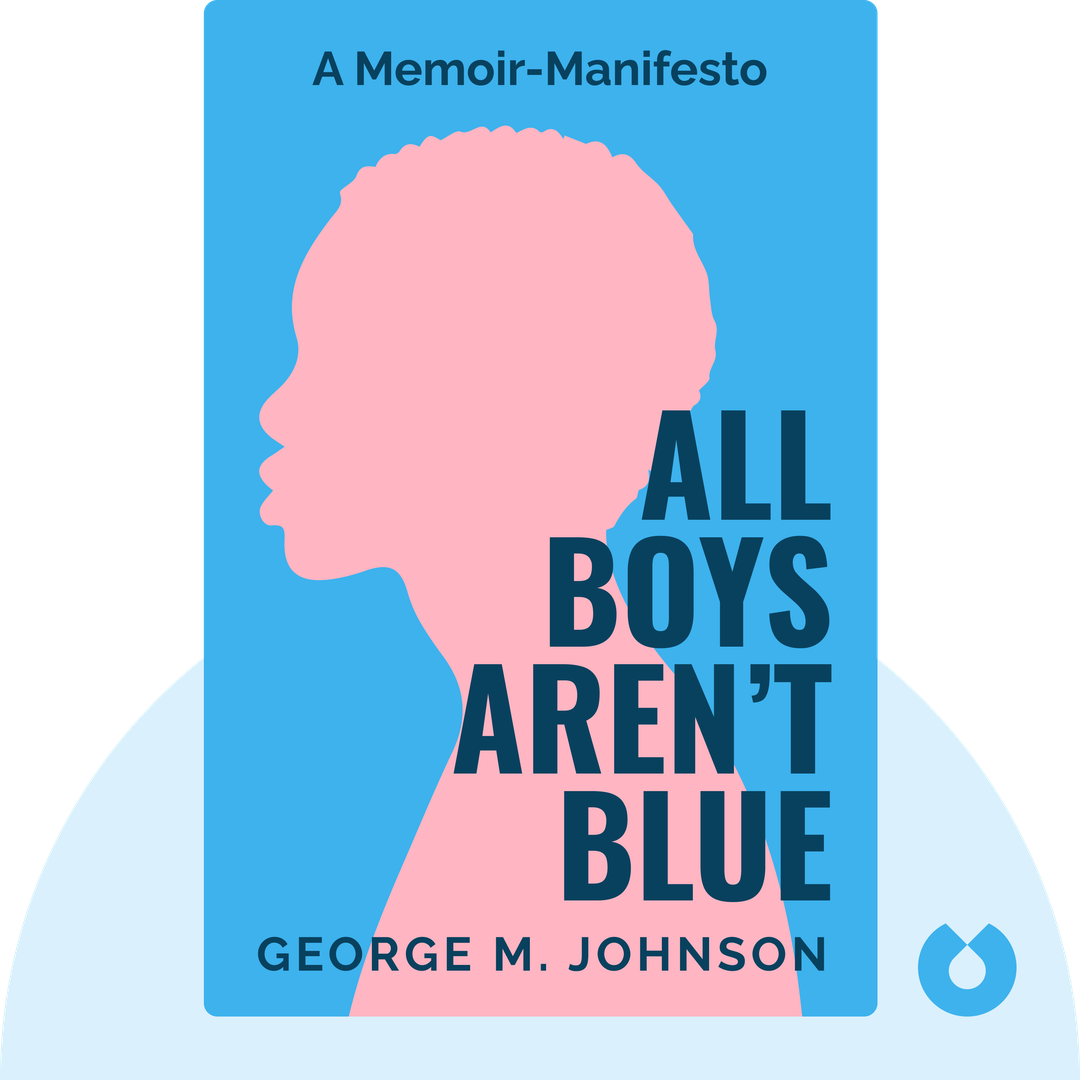
If You're Curious About These Questions...
You should listen to this audiobook
- Have you ever wondered how the intersection of Black identity and queer experience creates a unique, powerful blueprint for self-discovery?
- What if you could dismantle every traditional expectation of masculinity to find a more authentic way of being yourself?
- Are you curious about the secret to finding joy and belonging in a world that wasn’t necessarily designed for you to thrive?
Listen to All Boys Aren't Blue — Free Audiobook
Loading player...
Key Takeaways from All Boys Aren't Blue
- Understand how rigid societal expectations of Black masculinity can force queer youth to hide their trauma and true selves behind a protective mask.
- Discover how adults often police children's gender identities, and why creating spaces for kids to freely express their unique differences is vital.
- Explore the profound impact that educational environments and sanitized history lessons have on a young person's journey to embracing their racial heritage.
- Learn the transformative power of unconditional family acceptance in helping marginalized youth safely navigate self-discovery and coming out.
- Recognize the hidden vulnerabilities of queer youth to childhood trauma and early non-consensual sexual experiences, highlighting the deep need for proper support.
Learning Tools
Reinforce what you learned from All Boys Aren't Blue
Mind Map
All Boys Aren't Blue
Purpose and Context+
Childhood and Identity Erasure+
Teenage Years and Repression+
College and Finding Freedom+
Ultimate Message+
Quiz — Test Your Understanding
Question 1 of 7
Why did George M. Johnson write 'All Boys Aren't Blue', despite knowing its intimate content would cause controversy?
Question 2 of 7
What did the childhood incident involving the invented word 'Honeychild' demonstrate to Johnson?
Question 3 of 7
How does Johnson view the popular LGBTQ+ supportive phrase 'It gets better'?
Question 4 of 7
During their teenage years, why did Johnson struggle to simultaneously embrace their Black and queer identities?
Question 5 of 7
How does Johnson reflect on their first sexual experience with their older cousin?
Question 6 of 7
What unexpected role did joining a fraternity play in Johnson's college experience?
Question 7 of 7
According to the text, what is a primary reason Johnson includes explicit details about their college sexual experiences, including the pain and risks involved?
All Boys Aren't Blue — Full Chapter Overview
- 1Recommendation
- 2Childhood: The Honeychild
- 3Teen Years: Shame and Secrecy
- 4College: Coming Out and Finding Freedom
- 5Final summary
All Boys Aren't Blue Summary & Overview
All Boys Aren’t Blue (2020) is a memoir and a manifesto aimed at young people. The author shares their experiences of growing up Black and queer in the US, reflecting on family, identity, and sexuality.
Who Should Listen to All Boys Aren't Blue?
- People who enjoy memoirs
- People who identify as LGBTQ+
- Anyone interested in race and identity
Books Similar to All Boys Aren't Blue
Readers who enjoyed this also liked these titles.