If You're Curious About These Questions...
You should listen to this audiobook
- Have you ever wondered why individual complaints rarely change your living conditions, and what secret power tenants unlock when they stop acting alone?
- Did you know that the modern housing crisis might not be an accident, but a calculated result of a system that prioritizes profit over shelter?
- What if you could move beyond just surviving month-to-month and join a movement that reclaims housing as a fundamental human right for everyone?
Listen to Abolish Rent — Free Audiobook
Loading player...
Key Takeaways from Abolish Rent
- Discover why the modern housing crisis is not a system failure, but a deliberately designed capitalist structure that extracts massive wealth from the tenant class.
- Understand how the myth of the benevolent landlord masks a disturbing reality where skyrocketing rent serves as passive income sustained by the hard labor of tenants.
- Learn how century-long historical policies, including redlining, exclusionary zoning, and the defunding of public housing, deeply entrenched racial segregation and housing insecurity.
- Recognize that tenants, not property owners, are the true creators of vibrant communities, and why demanding stable housing as a human right is essential for societal equity.
- Find out how vulnerable renters can take back power through collective action, utilizing tenant unions and rent strikes to fight against exploitative rent hikes and unfair conditions.
Learning Tools
Reinforce what you learned from Abolish Rent
Mind Map
Abolish Rent
The Capitalist Housing Crisis+
Historical Roots of Exploitation+
The Power of Rent Strikes+
Building Tenant Unions+
Reclaiming Housing as a Human Right+
Quiz — Test Your Understanding
Question 1 of 7
According to the book, what is the fundamental root cause of the modern housing crisis in the United States?
Question 2 of 7
How did New Deal housing policies and subsequent real estate lobbying shape the US housing landscape?
Question 3 of 7
In the 2017 Los Angeles rent strike at 'Mariachi Crossing,' what was a crucial tactic that gave the tenants leverage against their new landlord?
Question 4 of 7
Why do the authors argue that relying on elected representatives to overhaul housing policies is often an unrealistic path to securing housing rights?
Question 5 of 7
Which of the following is one of the five core principles recommended by the authors for building collective power through tenant unions?
Question 6 of 7
How did the policies of the 1980s, particularly the expansion of the prison system, impact housing insecurity?
Question 7 of 7
According to the authors, what is the ultimate goal of the tenant struggle against the financialization of housing?
Abolish Rent — Full Chapter Overview
- 1Recommendation
- 2The housing system works well — for landlords
- 3America’s housing crisis has deep roots
- 4Reclaim power through rent strikes
- 5Build unions that fight for housing as a human right
- 6Collective spaces challenge capitalist ideas of ownership
- 7Final summary
Abolish Rent Summary & Overview
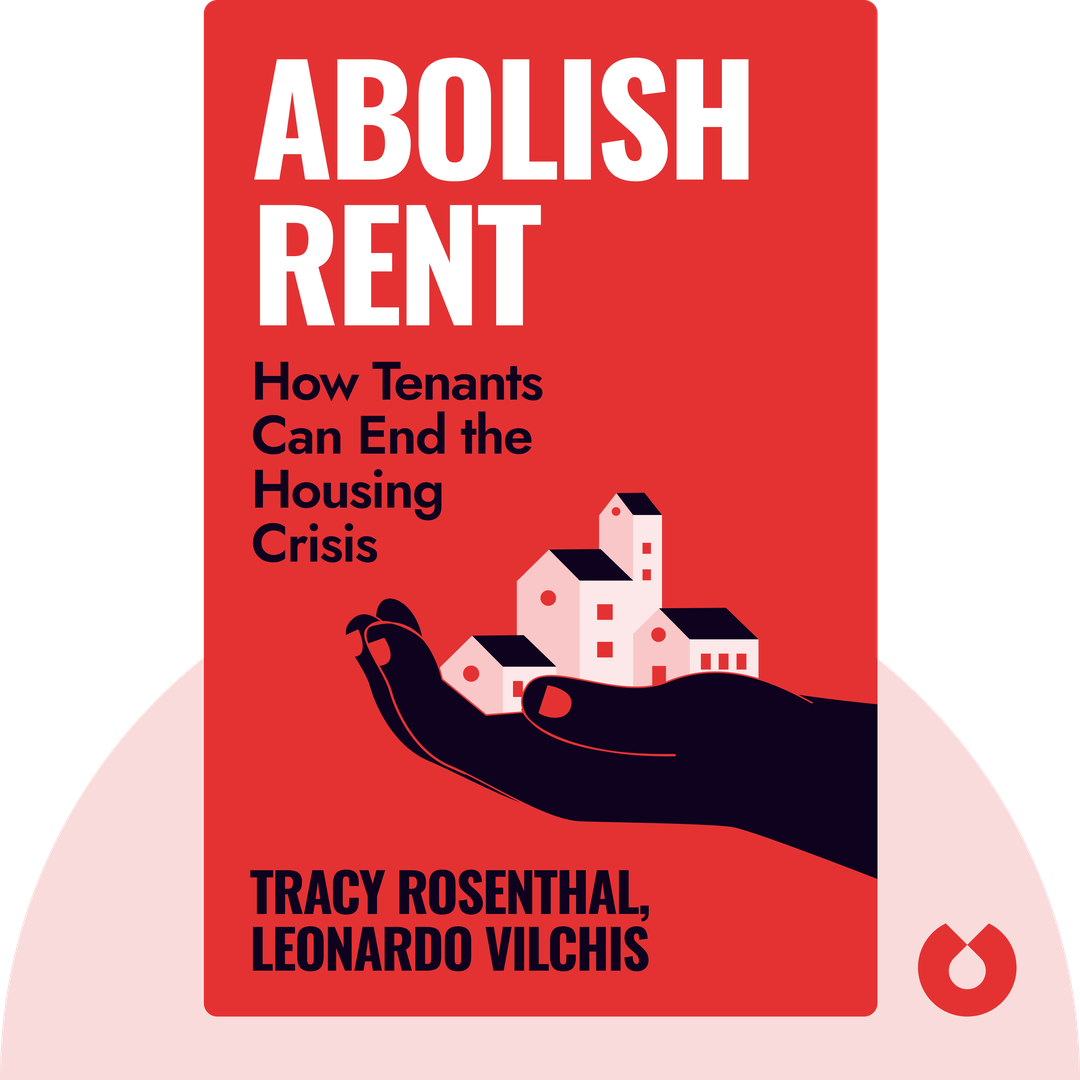
Abolish Rent (2024) examines the housing crisis from the perspective of those most affected by exploitative rent practices, offering a sharp critique of the current system. It highlights powerful stories of resistance from poor and working-class tenants, showing how collective action can transform both housing and cities and ultimately envisions a revolutionary tenant movement that fights for housing as a fundamental right.
Who Should Listen to Abolish Rent?
- Tenants who want to organize and fight back against exploitative housing conditions
- Urban planners and policy makers who want insight into the tenant crisis
- Anyone who thinks safe, stable housing should be a basic human right
Books Similar to Abolish Rent
Readers who enjoyed this also liked these titles.