Theme Song
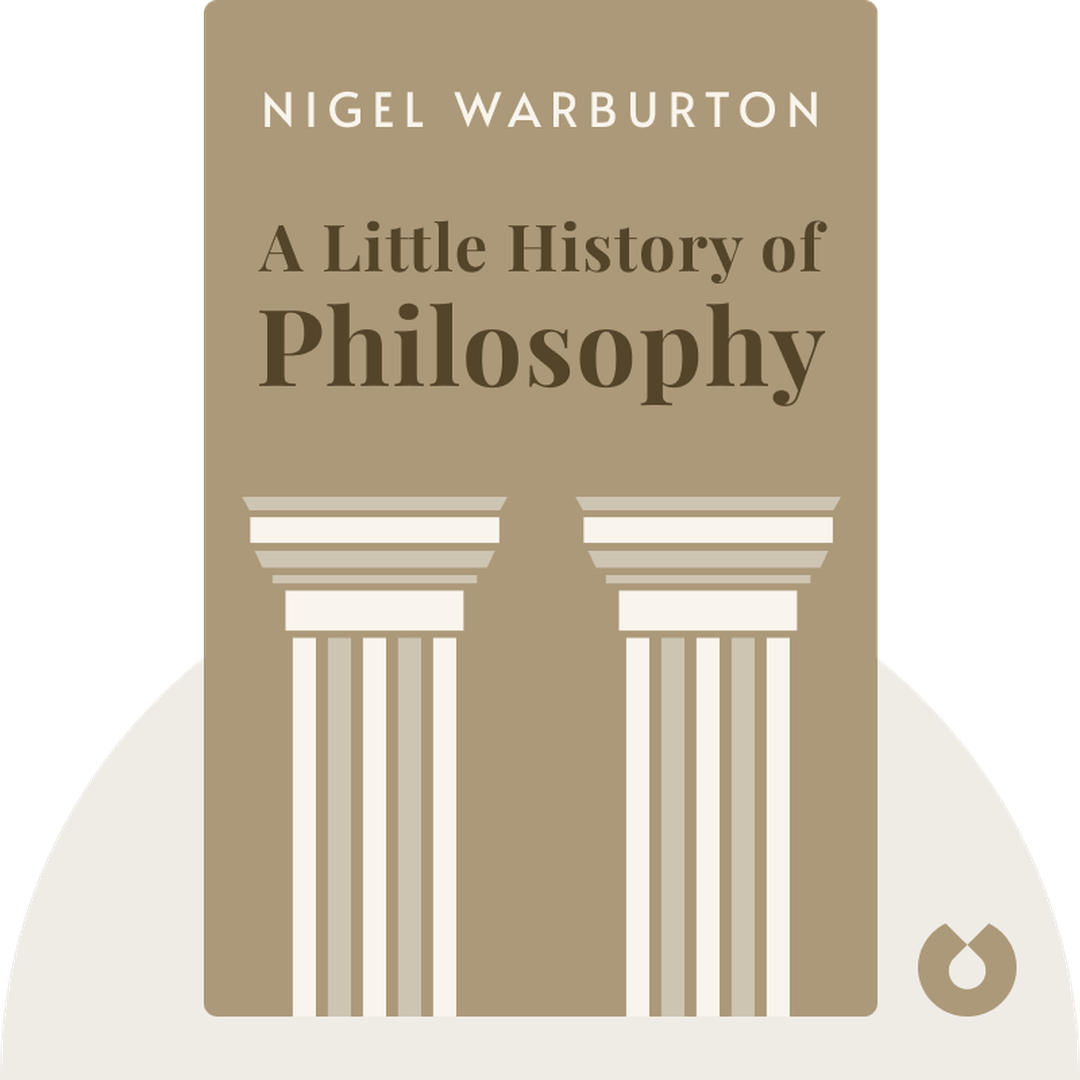
A Little History of Philosophy
Start ListeningDownload Try free on iPhoneScan to start in 5 seconds
Categories:
If You're Curious About These Questions...
You should listen to this audiobook
- Have you ever wondered why some of the world's greatest thinkers believed that the reality you see is actually just a series of shadows on a wall?
- What if you could unlock the secrets to a meaningful life by following a 2,500-year-old roadmap created by history's most brilliant minds?
- Are you curious about why one philosopher argued that having total freedom is actually a burden we are 'condemned' to carry?
Listen to A Little History of Philosophy — Cinematic Audio Edition
Loading player...
Key Takeaways from A Little History of Philosophy
- Understand why true reality must be perceived through critical thought rather than just your physical senses, as illustrated by Plato's famous Allegory of the Cave.
- Discover how to achieve human flourishing, or 'eudaimonia,' by exercising your unique ability to reason and cultivating virtuous habits.
- Master Aristotle's 'middle way' of character building by finding the healthy balance between extreme behaviors, such as the courage found between cowardice and recklessness.
- Learn why you shouldn't fear death through Epicurus's comforting logic that we cannot experience pain or sadness once our time on earth ends.
- Find out how to maximize your daily happiness by restraining extravagant ambitions and embracing simple, accessible pleasures like friendship.
Learning Tools
Reinforce what you learned from A Little History of Philosophy
Mind Map
A Little History of Philosophy
Socrates & Plato+
Aristotle+
Epicurus+
Jean-Jacques Rousseau+
Immanuel Kant+
Friedrich Nietzsche+
Ludwig Wittgenstein+
Quiz — Test Your Understanding
Question 1 of 7
What is the primary meaning behind Plato's Allegory of the Cave?
Question 2 of 7
According to Aristotle's philosophy, how does one achieve a fulfilling and successful life (eudaimonia)?
Question 3 of 7
Why did Epicurus argue that humans should not fear death?
Question 4 of 7
In Rousseau's philosophy, what distinguishes the 'general will' from the will of the majority?
Question 5 of 7
How would Immanuel Kant evaluate the morality of someone helping an injured stranger out of a deep feeling of pity?
Question 6 of 7
What did Friedrich Nietzsche mean by the term 'slave morality'?
Question 7 of 7
How did Ludwig Wittgenstein view traditional philosophical problems?
A Little History of Philosophy — Full Chapter Overview
- 1Recommendation
- 2Socrates and Plato posed deep questions that launched philosophy.
- 3Aristotle’s philosophy charts a path toward human flourishing.
- 4Epicurus urged fearlessness about death and a life of simple pleasures.
- 5Rousseau aimed to return humans to natural happiness.
- 6Kant believed actions are moral when we can endorse their universal maxims.
- 7Nietzsche revealed how atheism challenges some of our deepest moral assumptions.
- 8Wittgenstein aimed to dissolve philosophical questions rather than answer them.
- 9Final summary
A Little History of Philosophy Summary & Overview
A Little History of Philosophy (2011) takes readers on a whistle-stop tour of the thinkers who shaped philosophy over two and a half millennia. From Ancient Greece to twentieth-century Germany, this book makes philosophy’s age-old questions feel as relevant today as when they were first posed.
Who Should Listen to A Little History of Philosophy?
- History buffs interested in the development of philosophy
- Ponderers drawn to questions about the meaning of life
- Anyone daunted by typical philosophical jargon
Books Similar to A Little History of Philosophy
Readers who enjoyed this also liked these titles.