Theme Song
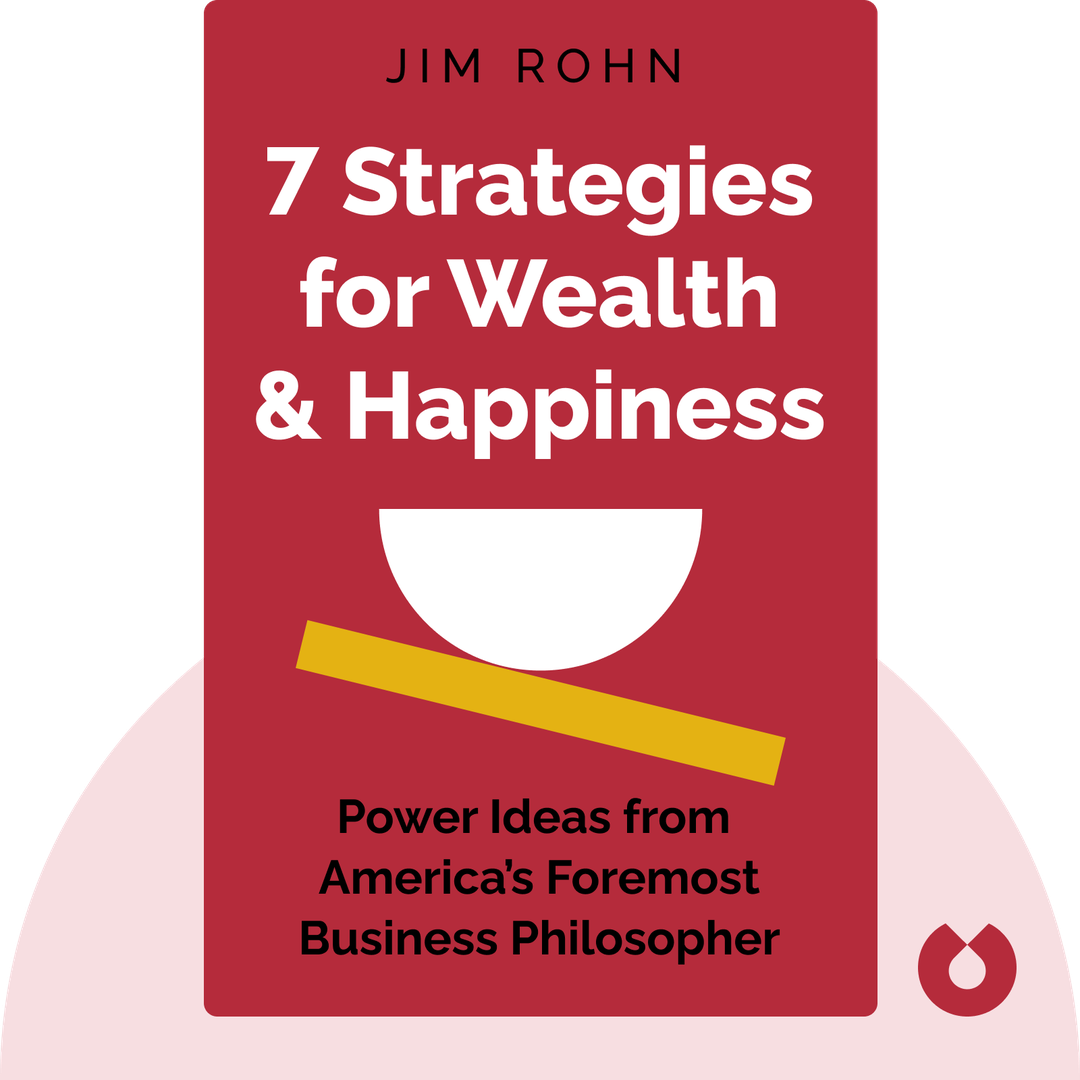
7 Strategies for Wealth and Happiness
Start ListeningDownload Try free on iPhoneScan to start in 5 seconds
Categories:
If You're Curious About These Questions...
You should listen to this audiobook
- Did you know that your financial success is actually a direct reflection of your personal development, rather than just your luck or your job title?
- Have you ever wondered why some people seem to effortlessly attract wealth and happiness while others, working just as hard, remain stuck in the same rut?
- What if you could unlock a fulfilling lifestyle not by chasing more money, but by mastering a few simple, daily disciplines that most people overlook?
Listen to 7 Strategies for Wealth and Happiness — Cinematic Audio Edition
Loading player...
Key Takeaways from 7 Strategies for Wealth and Happiness
- Learn how to structure your long-term vision using a journaling exercise that filters 50 aspirations into 16 actionable, purpose-driven goals.
- Discover the power of self-led learning by dedicating 30 minutes each day to self-reflection and studying the habits of successful people.
- Find out why buying dinner for a wealthy person is a highly effective, counterintuitive investment for gaining direct financial wisdom.
- Understand how to naturally increase your income by building your personal value and skills rather than simply demanding a raise from your boss.
- Overcome harmful barriers to personal development, such as procrastination and blame, by taking small, consistent daily steps to improve yourself.
Learning Tools
Reinforce what you learned from 7 Strategies for Wealth and Happiness
Mind Map
7 Strategies for Wealth and Happiness
1. Setting Clear Goals+
2. Self-Led Learning+
3. Increasing Personal Value+
4. Money & The 70/30 Rule+
5. Time Management+
6. Mastering Relationships+
7. Happiness & Generosity+
Actionable Game Plan+
Quiz — Test Your Understanding
Question 1 of 8
Why does the author use the Apollo astronauts as an example when discussing goal-setting?
Question 2 of 8
According to the text, what counterintuitive method is recommended for gaining financial wisdom?
Question 3 of 8
What does the author suggest is the most effective way to secure a pay raise at work?
Question 4 of 8
How does the 70/30 rule dictate that you should divide the 30 percent of your income not spent on necessities and wants?
Question 5 of 8
Why did Jim Rohn's mentor advise him to become a 'happy taxpayer'?
Question 6 of 8
What action should you take if you realize you are spending time with destructive people, according to the text?
Question 7 of 8
What is the primary purpose of adopting a 'two-quarter mindset'?
Question 8 of 8
What tool does the author recommend for staying organized and balancing your time efficiently?
7 Strategies for Wealth and Happiness — Full Chapter Overview
- 1Recommendation
- 2Set clear goals to build discipline and structure.
- 3Self-directed learning is the key to wealth and personal growth.
- 4Remove obstacles to your personal growth and increase your value.
- 5Change your attitude toward taxes and use the 70/30 rule to become happier and wealthier.
- 6Use careful planning to allocate your time wisely.
- 7Make sure you spend your time with the right people.
- 8Learn to feel satisfied no matter how much money you have.
- 9Final summary
7 Strategies for Wealth and Happiness Summary & Overview
7 Strategies for Wealth & Happiness (1985) lays out an inspiring approach to developing your full potential through discipline and action. Instead of offering get-rich-quick schemes, it reminds us that success is a direct result of our own efforts to improve ourselves. More than that, it shows that a fulfilling lifestyle is not just about wealth – it’s about getting rid of old ways of thinking and adopting a positive mindset.
Who Should Listen to 7 Strategies for Wealth and Happiness?
- Employees who feel stuck in a rut
- Goal-setters having a hard time making progress
- Anyone seeking ways to achieve success and improve their lives
Books Similar to 7 Strategies for Wealth and Happiness
Readers who enjoyed this also liked these titles.