1Techibtimes.co.uk
The Big Supermarket Shakeup: How AI Is Shaping the Future for Major Players
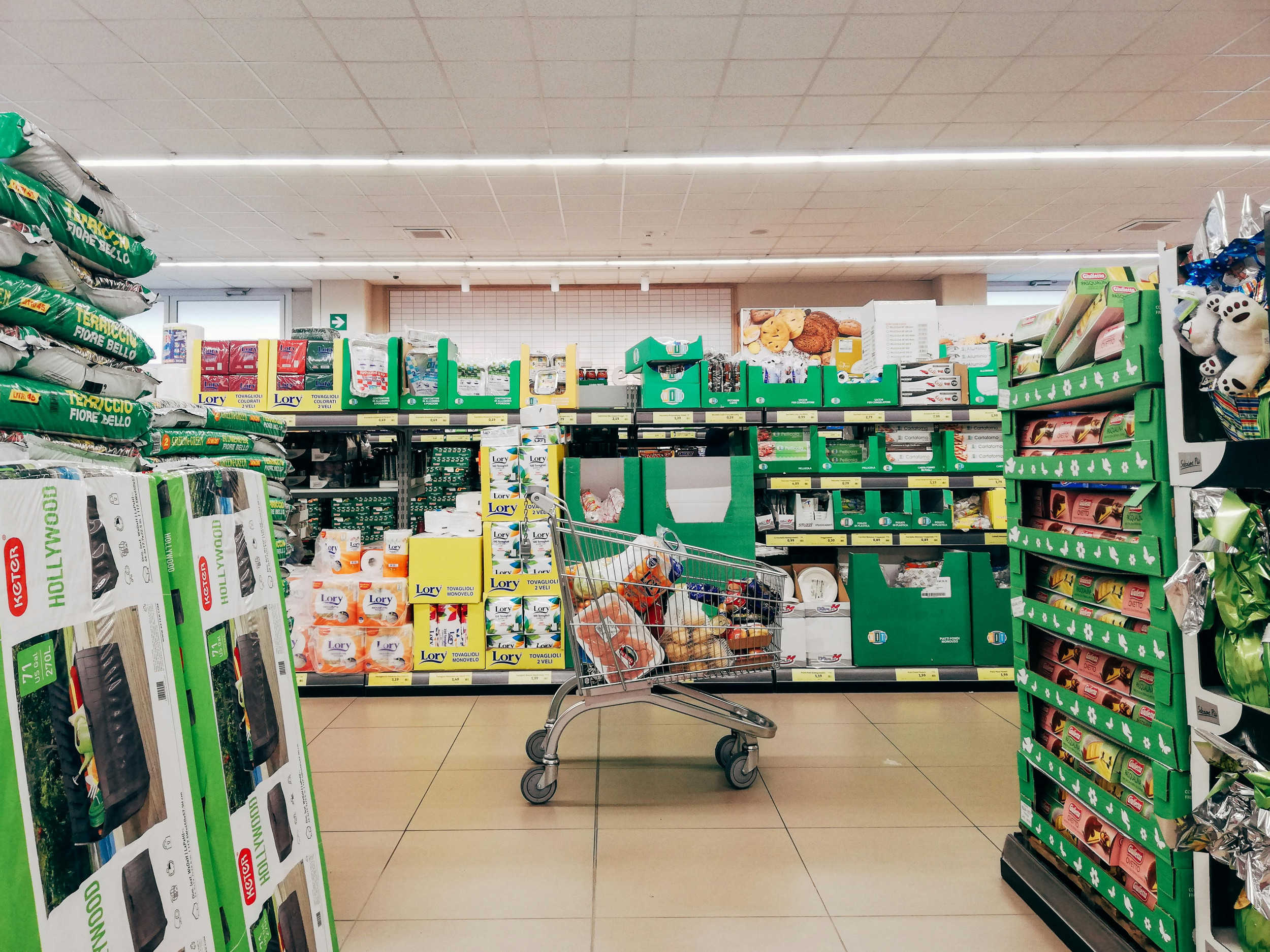
The use of AI driven management systems is being used by major food retailers across the UK to enhance quality of service and reduce food waste. Data from Science Direct has revealed that food retailers are increasingly embracing AI systems to combat competition and lower profit margins. Amazon Fresh, Waitrose, Morrisons, and Tesco's have introduced innovative AI systems, including smart-trolleys and shelf edge cameras, monitoring customer purchases and stock levels. These systems can provide visibility into daily operations and supply chain management, which play a vital role in the changing retail landscape. However, challenges include resistance from a workforce who fear their jobs are replaceable and a lack of skilled staff to fully understand and manage AI systems. Asda has announced they secured what they claim to be one of the 'largest technology deals in UK retail' through their partnership with Microsoft Azure, transferring operations to a cloud based infrastructure to increase business productivity and consumer-focused enhancements.
2Worldtheguardian.com
Israel escalates strikes in Lebanon as Netanyahu vows to ‘crush’ Hezbollah
The Israeli army has intensified strikes in southern Lebanon, with Prime Minister Benjamin Netanyahu ordering the military to escalate its offensive in an effort to "crush" Hezbollah. This follows several attacks on barracks and a military post in northern Israel, which Hezbollah claimed was in response to Israel's violation of a ceasefire. The intensifying conflict comes amid waning hopes for a deal between the US and Iran, with Iran citing confusion over US positions and Israeli interference as reasons for their inability to reach a deal. The Israeli air force carried out successive strikes in the Bekaa valley in eastern Lebanon on Monday evening, killing three people and injuring several others.
3Environmenttheguardian.com
Power bills to fall by up to 10% in July as renewables and batteries soar across Australia
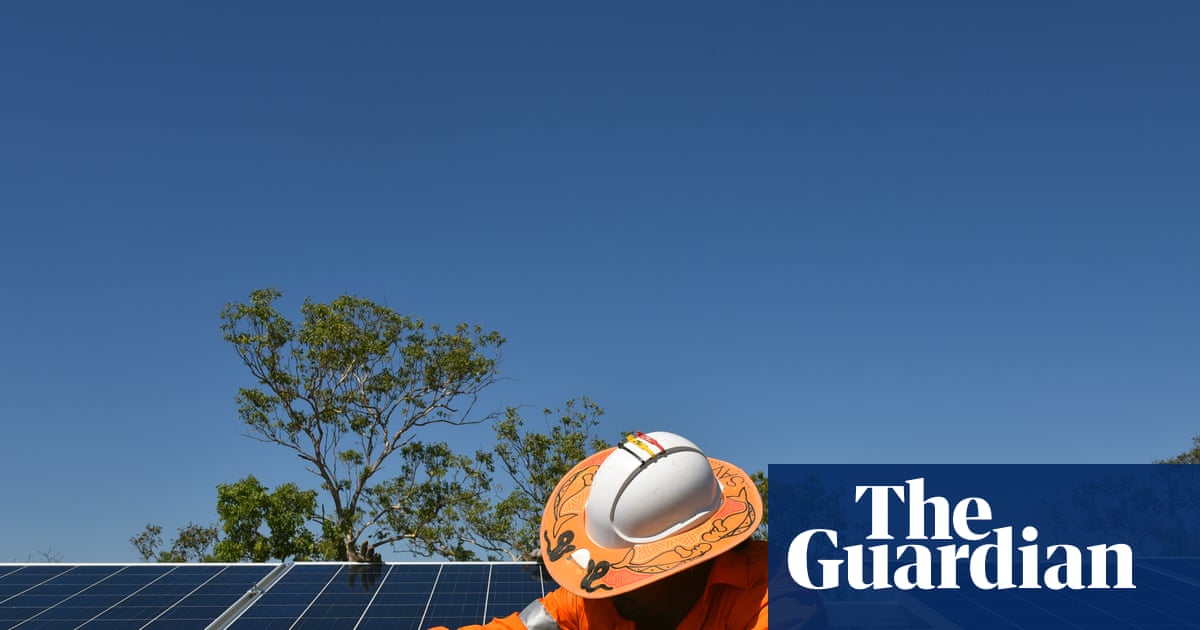
Energy bills in Australia are expected to fall by up to 10% per cent in July, according to a survey by the energy industry. The survey also revealed record levels of renewables and batteries in the power grid. The default market offer, which sets out the maximum amount retailers can charge on plans, shows price reductions for households and smaller businesses. Household standing offer time-of-use prices will fall by 10.7% across South Australia, New South Wales and Queensland’s south-east, while small business standing offer prices are set to drop by 20.9%. The government has implemented new consumer rule changes to help customers, including plan benefits lasting the whole contract, unfair fees and dodgy discounts, and price increases limited to once a year. However, the Clean Energy Council warned that progress could stall as investment in new wind and solar projects decreases.
4Businessfirstpost.com
Oil slips below $94 as US-Iran talks raise Hormuz reopening hopes
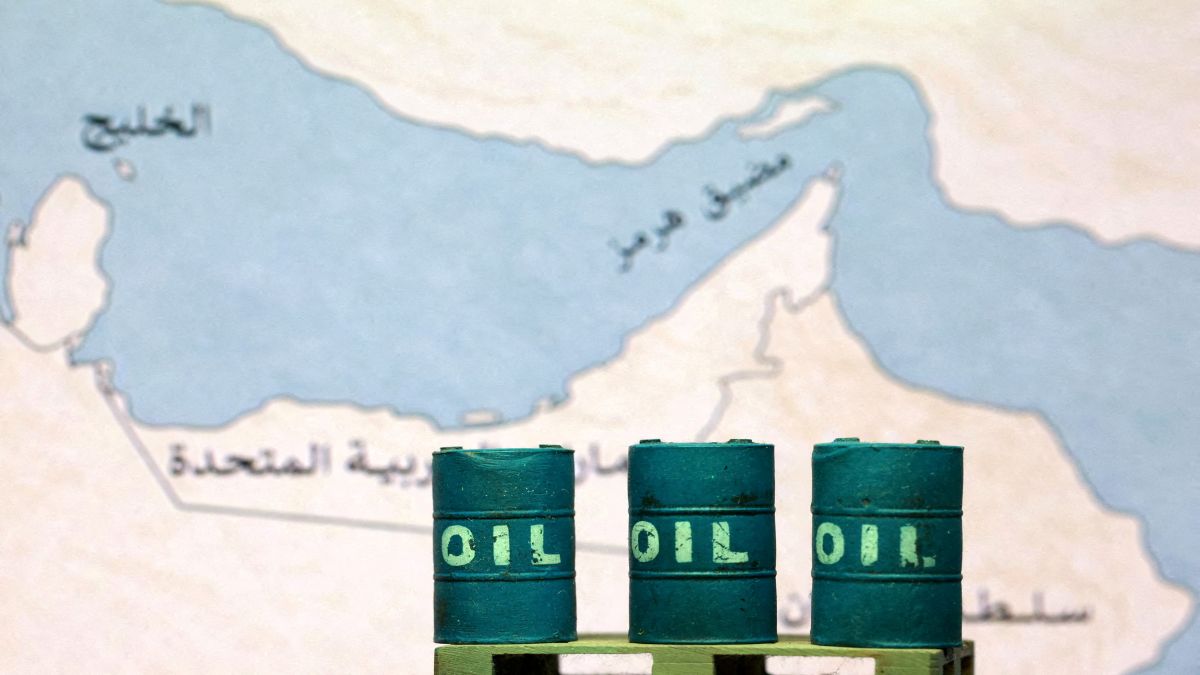
Oil prices fell below $94 a barrel following reports of US-Iran talks increasing hopes of reopening the Strait of Hormuz. The news eased geopolitical concerns and increased optimism for resumed oil flows. According to a report by Japanese newspaper Nikkei, the US and Iran are discussing a plan to reopen the strait about 30 days after reaching a deal to end hostilities. The report suggested that Iran would begin clearing mines from the strategic waterway during a 30-day transition period after a peace agreement was reached, allowing ships from all countries to navigate freely and safely. Despite this optimism, analysts warn that a full restoration of oil flows may take months, even if a formal peace deal is achieved.
5Businessturkiyetoday.com
Türkiye-Africa trade reaches $40B as ties deepen across continent
Türkiye's Africa Opening Policy, launched in 1998 and transformed into the Africa Partnership Policy in 2013, has led to significant progress in Ankara's engagement with Africa over the past 25 years. The trade volume with Africa increased from $4.3 billion in 2002 to approximately $40 billion by 2025, while Turkish investments on the continent reached $10 billion in 2024. The number of Turkish embassies on Africa increased to 44 as of 2024, and the number of African embassies in Ankara rose from 10 in 2008 to 38 in 2025. Since then, three Türkiyet-Africa Partnership Summits have been held, with Türkia signing Trade and Economic Cooperation Agreements with 50 African countries and business councils established with 49 African countries.
6Worldstraitstimes.com
US and Israel strike Iranian vessels at Strait of Hormuz
The US and Israeli jets have reportedly struck several Iranian vessels in the Strait of Hormuz, killing several Iranian personnel. This comes after US President Donald Trump suggested that negotiations with Iran were progressing. The incident highlights the fragile nature of the existing ceasefire between the two countries. The critical waterway has been all but closed since the US and Israel attacked the Islamic Republic in late February, triggering an energy shock and global inflation. Meanwhile, Israel's Prime Minister Benjamin Netanyahu announced an increase in attacks on Iran-backed Hezbollah after they struck sites in southern Lebanon.
7Politicseconomictimes.indiatimes.com
India's economy resilient amid external shocks, says Sitharaman
Finance Minister Nirmala Sitharaman has stated that India's economy is resilient and climate positive, despite external challenges. She emphasised the need for the government to respond to shocks and maintain the underlying growth momentum. Sitharamam also highlighted the need to understand the impact of foreign exchange on fuel, fertiliser prices, and high gold rates. She highlighted the private sector's increasing investments and rising tax collections. She also warned against increasing protectionism and warned against complacency. The government has provided over Rs 1 lakh crore for the economic stabilisation fund before the Strait of Hormuz blockade took place.
8Financefinancialexpress.com
Rs 2-lakh-crore data center boom: How two Indian real estate giants are anchoring a 6.5 GW pivot
India's data center market is set to double to US$22 billion by 2030, up from US$10 billion in 2025, according to property consultant Vestian. Despite generating nearly 20% of global data, India only accounts for only about 3% of the global data center capacity. This growth is driven by rising digital consumption, cloud adoption, AI workloads, and data localisation. Companies like Amazon Web Services ($35 billion), Microsoft ($17.5 billion), and Google ($15 billion), have pledged to invest approximately US$67.5bn in India. Lodha is expanding into data centers, focusing on a 400-acre land parcel in Palava, which is fully ready for construction. The company plans to use this land sales to generate over ₹12,000 crore from FY27 onwards to largely self-fund the construction of 1 GW of Build-to-Suit (BTS) Powered Shells.
9Techthecooldown.com
Pope warns AI-guided weapons are pushing the world into a 'spiral of annihilation'
Pope Leo XIV has warned that artificial intelligence (AI) is making warfare more dangerous and is leading the world towards a "spiral of annihilation". Speaking at Rome's La Sapienza University, he said the rapid expansion of military AI and rising defense spending is putting human life, public services, and basic ethical boundaries under strain. He also criticised European governments for increasing military budgets while education and healthcare remain under pressure. This warning comes as AI weapons are already shaping warfare, with critics arguing that as machines take on a larger role in combat, the danger is not just escalation but also fading accountability. Concerns have also extended beyond the Vatican, with concerns that autonomous weapons could make wars move faster, become less transparent, and become harder to control.
10Politicsncpa.org
Congress releases text of government funding legislation without PBM reform
The House of Representatives has released a draft legislation that would fund the government, without PBM reform measures. The Senate also failed to pass a health care package that included PBM reforms. Despite this, the House is considering other options. The failure to pass the bill highlights the strong bipartisan support behind the legislation, potentially opening the door for a stand-alone bill.

)