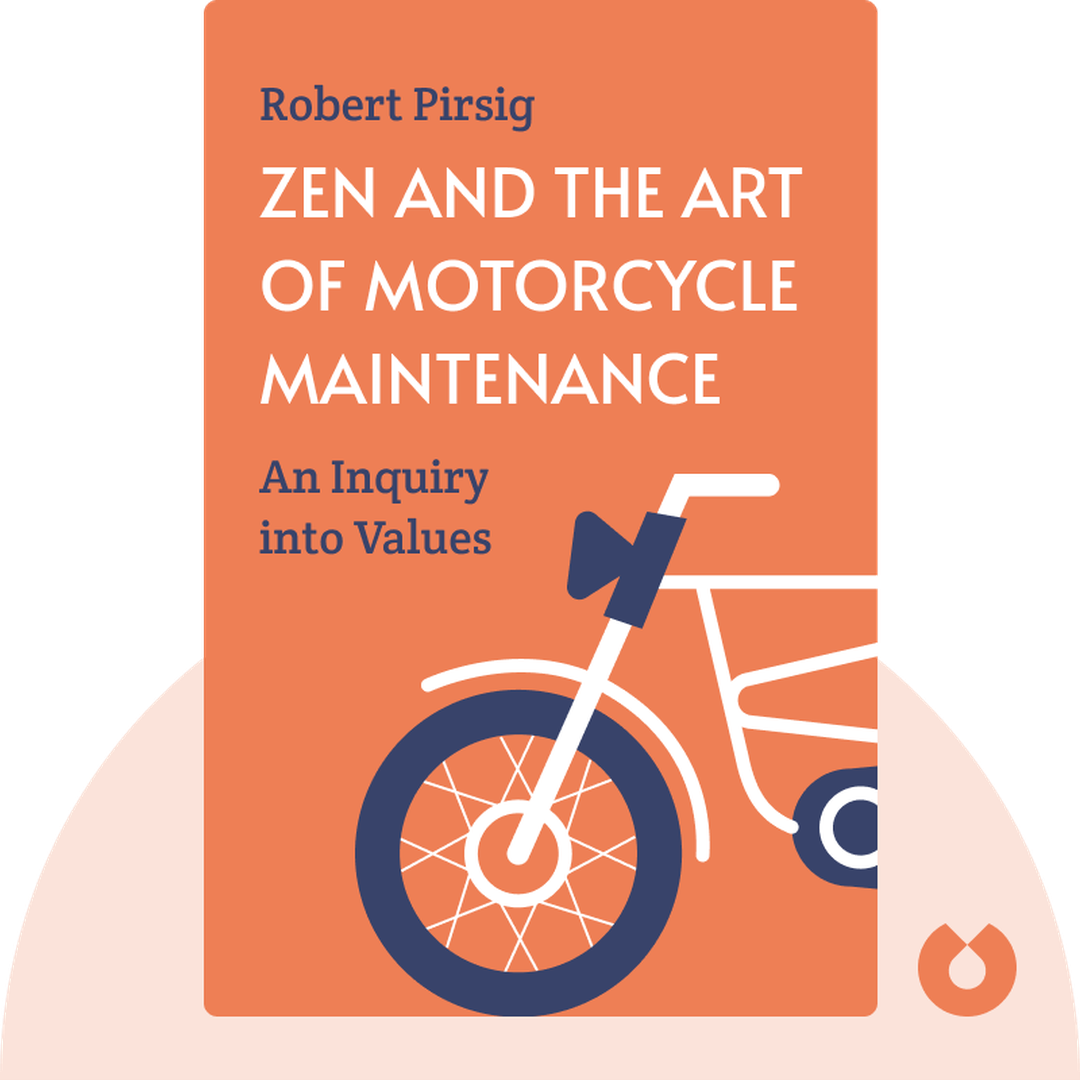
Zen and the Art of Motorcycle Maintenance
Start ListeningDownload Try free on iPhoneScan to start in 5 seconds
Categories:
If You're Curious About These Questions...
You should listen to this audiobook
- Why would a romantically minded person refuse to fix their own expensive motorcycle, even when a simple piece of a soda can could easily solve the problem?
- How did the narrator's former identity, a philosophy professor named Phaedrus, end up institutionalized while trying to reconcile logic and emotion?
- What is the philosophical concept of 'Quality,' and how does it act as a bridge between the systematic world of science and the chaotic beauty of the humanities?
Listen to Zen and the Art of Motorcycle Maintenance — Free Audiobook
Loading player...
Key Takeaways from Zen and the Art of Motorcycle Maintenance
- Western thought is often divided into two conflicting mindsets: the rational, systematic 'classical' mode and the emotional, aesthetic 'romantic' mode.
- While classical thinkers find fascination in the underlying mechanics of a machine, romantic thinkers value its outward aesthetics and often resent the intrusion of technology.
- Many of modern society's conflicts, as well as profound personal dissatisfaction, stem from the rigid gap between scientific rationality and emotional intuition.
- The theoretical concept of 'Quality' resolves this philosophical divide by integrating both rational analysis and spiritual appreciation of life's chaotic stimuli.
- Achieving true harmony requires actively stepping outside your natural mindset, whether that means a romantic learning basic mechanics or a classical thinker embracing spiritual self-reflection.
Zen and the Art of Motorcycle Maintenance — Full Chapter Overview
- 1Recommendation
- 2Western thought is divided, and one side is the rational, detached “classical” mode.
- 3The counterpart to a classical thinker is the romantic: a mind led by emotion and creativity.
- 4The split personality of Phaedrus, a “madness” now healed, shadows the narrator’s classical outlook.
- 5“Quality” is a conceptual answer to bridge the gap between the classical and the romantic.
- 6To live by the ideal of quality is difficult; it brings both sorrow and joy.
Zen and the Art of Motorcycle Maintenance Summary & Overview
Zen and the Art of Motorcycle Maintenance (1974), using the allegory of a motorcycle road trip, guides you through one man’s questionings of the philosophical and metaphysical order of the world.
Who Should Listen to Zen and the Art of Motorcycle Maintenance?
- People searching for the key to what makes a good life
- Fans of author Jack Kerouac or the Beat Generation
- Artists or creatives who feel they just don’t fit in
Books Similar to Zen and the Art of Motorcycle Maintenance
Readers who enjoyed this also liked these titles.