If You're Curious About These Questions...
You should listen to this audiobook
- Have you ever wondered why some people stay effortlessly lean while others struggle with weight, even when they eat the exact same foods?
- Did you know that the real culprit behind weight gain might not be the number of calories you eat, but how specific types of carbohydrates trigger your body to store fat?
- What if the most common medical advice about weight loss is actually based on a misunderstanding of how our metabolism really works?
Listen to Why We Get Fat — Free Audiobook
Loading player...
Key Takeaways from Why We Get Fat
- Discover why obesity ultimately stems from a hormonal imbalance driven by carbohydrate-induced insulin levels, rather than a simple caloric surplus.
- Understand why increasing physical exercise doesn't guarantee weight loss, as exerting more energy naturally increases your appetite to compensate.
- Learn how the popular calories-in/calories-out theory misinterprets thermodynamics, and why human biology actually dictates how our bodies allocate energy.
- Find out how the Laws of Adiposity flip the traditional weight gain script, revealing that overeating is a symptom of getting fat rather than the root cause.
- Explore the biological concept of lipophilia and how insulin directly instructs your cells to trap fat, proving that weight gain is a metabolic response, not a lack of willpower.
Learning Tools
Reinforce what you learned from Why We Get Fat
Mind Map
Why We Get Fat
Flawed Explanations for Obesity+
The Real Cause: Carbs & Insulin+
Why Conventional Diets Fail+
The Low-Carb Solution+
Quiz — Test Your Understanding
Question 1 of 8
According to the book, why is the 'calories in, calories out' model of weight gain considered a flawed oversimplification?
Question 2 of 8
How does the author explain the lethargy often associated with overweight individuals?
Question 3 of 8
What is the primary biological mechanism that drives the accumulation of fat in the human body?
Question 4 of 8
The author compares the process of getting fat to the growth of a tumor or a child to illustrate what specific point?
Question 5 of 8
Why does the author argue that human bodies cannot properly process the modern carbohydrate-heavy diet?
Question 6 of 8
According to the 1990s US study mentioned in the text, what was the primary result of 20,000 women reducing their daily caloric intake by 360 calories over eight years?
Question 7 of 8
Based on the book's claims, why do people generally become more prone to being overweight as they age?
Question 8 of 8
While the author advises against eating most carbohydrates, which type of carbohydrate is considered less harmful to blood sugar and insulin levels?
Why We Get Fat — Full Chapter Overview
- 1Recommendation
- 2The standard explanation for being overweight rests on the flawed idea that fat makes us fat.
- 3Exercising more and eating less do not necessarily prevent weight gain.
- 4Insulin makes us fat, and carbohydrates regulate insulin production.
- 5Being overweight is not the result but the cause of a nutritional disorder.
- 6Our bodies cannot handle the amount or types of carbohydrates that are now everywhere.
- 7Carbohydrates do more than make us fat: they can also make us sick.
- 8Low-calorie diets rarely work—and may even harm our health.
- 9Genetic disposition, age, and nutrition all affect our chances of becoming overweight.
- 10Low-carbohydrate diets have a bad reputation—and undeservedly so.
- 11To lose weight and keep it off, or avoid gaining weight in the first place, we need to give up carbs.
- 12Final summary
Why We Get Fat Summary & Overview
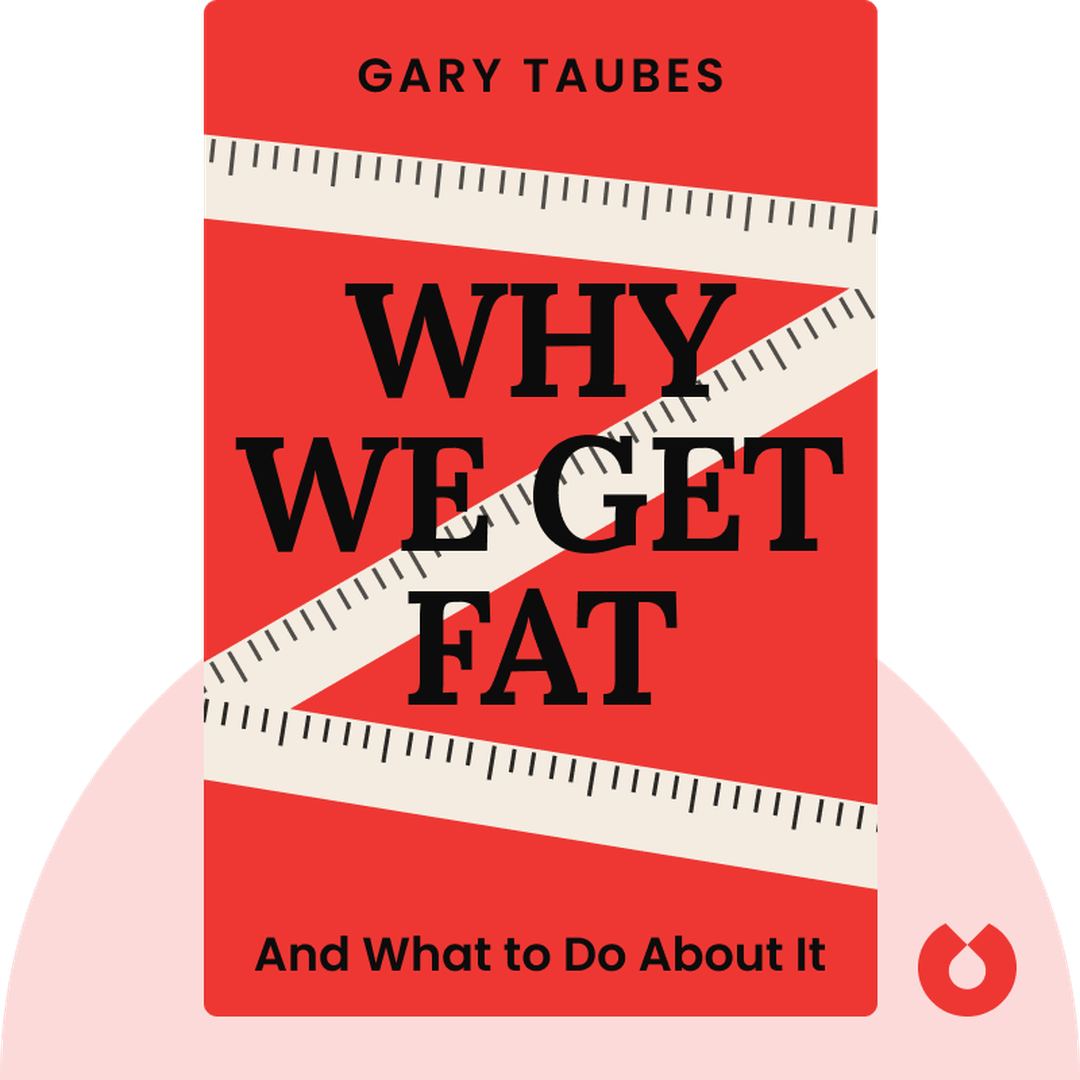
Why We Get Fat (2010) explains why certain types of carbohydrates are the main reason we get fat. The book not only shows why people gain weight, but why the topic is so controversial. It also talks about why some people get fat and others do not, the role genetic predispositions play in this process, and which foods we should all avoid.
Who Should Listen to Why We Get Fat?
- Anyone who wants to lose or maintain their weight
- Anyone interested in finding out about the causes of being overweight
Books Similar to Why We Get Fat
Readers who enjoyed this also liked these titles.