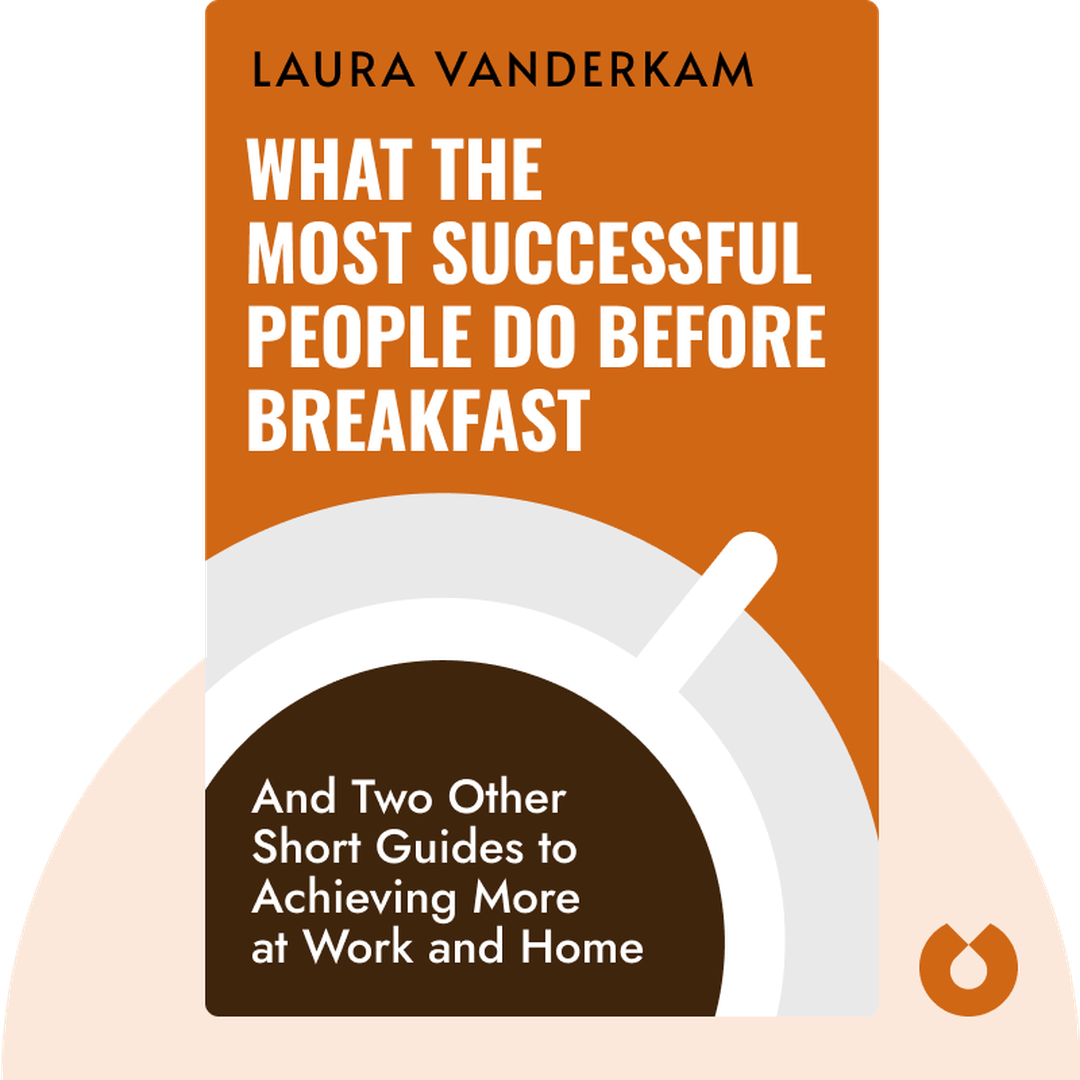
What the Most Successful People Do Before Breakfast
Start ListeningDownload Try free on iPhoneScan to start in 5 seconds
Categories:
If You're Curious About These Questions...
You should listen to this audiobook
- Have you ever wondered why the world’s highest achievers treat the hours before 8:00 a.m. as their most valuable asset for personal growth?
- What if you could reclaim your morning to focus on what truly matters to you, before the rest of the world starts making demands on your time?
- Are you curious about the secret strategy high-performers use to ensure their weekends leave them feeling rejuvenated rather than just exhausted?
Listen to What the Most Successful People Do Before Breakfast — Free Audiobook
Loading player...
Key Takeaways from What the Most Successful People Do Before Breakfast
- Discover why willpower functions like a muscle that depletes throughout the day, making early morning the optimal time to conquer your most challenging tasks.
- Learn how highly successful individuals dedicate their early hours to three life-changing pillars: advancing their careers, nurturing relationships, and prioritizing personal development.
- Find out how to prioritize important, non-urgent activities during your mornings so they eventually become automatic habits that require no extra discipline.
- Understand why you should invest your fresh morning energy into quality family time and intimacy before workday exhaustion diminishes your capacity to connect.
- Master the art of designing a sustainable morning routine by choosing activities you genuinely enjoy and focusing on long-term projects without office interruptions.
Learning Tools
Reinforce what you learned from What the Most Successful People Do Before Breakfast
Mind Map
What the Most Successful People Do Before Breakfast
Mastering Mornings+
5 Steps to Habit Change+
Weekend Optimization+
Workplace Success+
Career Growth+
Quiz — Test Your Understanding
Question 1 of 10
Why do the world's most successful people prefer to tackle their most important personal and professional goals in the morning?
Question 2 of 10
According to the book, what type of tasks should make up the best morning routines?
Question 3 of 10
What is the first step Laura Vanderkam recommends for transforming your morning routine?
Question 4 of 10
When attempting to establish a new morning habit, why does the author suggest starting slowly and taking on just one activity at a time?
Question 5 of 10
How does the author suggest making weekends more meaningful and avoiding the trap of 'doing nothing'?
Question 6 of 10
Why does the author recommend making a list of your top one hundred dreams rather than just your top ten?
Question 7 of 10
When people estimate how they spend their time, what common mistake do they make regarding their work hours?
Question 8 of 10
How did fitness entrepreneur Chalene Johnson ensure she made progress toward her large, long-term goal of making her firm more profitable?
Question 9 of 10
In the context of workplace success, what does the author mean by 'career capital'?
Question 10 of 10
According to the study by Teresa Amabile and Steven Kramer, what factor was present on 76 percent of the days when employees reported feeling happy?
What the Most Successful People Do Before Breakfast — Full Chapter Overview
- 1Recommendation
- 2Start your day by tackling the tasks that matter most, not postponing or avoiding them at all.
- 3The strongest morning routines focus on finishing important, non-urgent tasks each day.
- 4Build the habit of using mornings to enjoy family quality time together and to practice self-care daily.
- 5Begin reshaping your mornings by logging your time and envisioning your ideal start daily.
- 6Assess the logistics of your ideal routine and adopt new habits with patience slowly.
- 7Schedule weekend activities in advance and savor the joyful pleasure of anticipation.
- 8Elevate weekend plans by listing actionable dreams and welcoming a touch of spontaneity into them.
- 9Increase your odds of success at work by logging how you spend your hours in the office each week.
- 10Reach success by planning for it and eliminating “work” that yields you nothing of value.
- 11Success at work is about deliberate practice, depositing career capital, and finding pleasure too.
What the Most Successful People Do Before Breakfast Summary & Overview
What the Most Successful People Do Before Breakfast (2013) is a guide to the early hours. Packed with useful tips drawn from the lives of today’s highfliers, it lays out an actionable plan that’ll help you design and implement your perfect morning routine. Do that, and you’ll find time for the things that matter most to you. Even better – once you’ve mastered a few time-management skills and revolutionized your mornings, you’ll be set to boost your work performance and get the most out of your weekends.
Who Should Listen to What the Most Successful People Do Before Breakfast?
- Managers
- Parents
- Entrepreneurs
- Busy bees
Books Similar to What the Most Successful People Do Before Breakfast
Readers who enjoyed this also liked these titles.