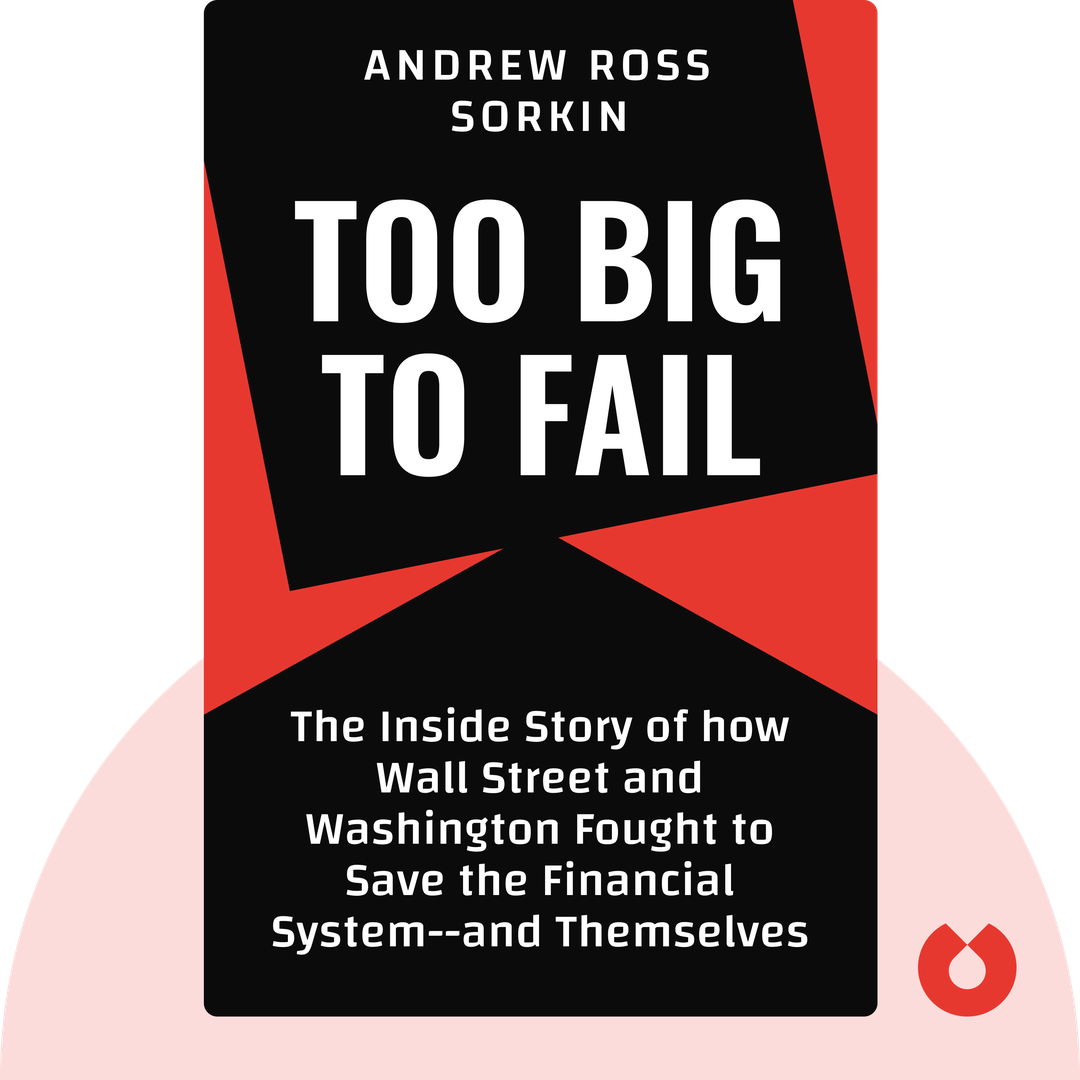
If You're Curious About These Questions...
You should listen to this audiobook
- Have you ever wondered what really happened during those secret, high-stakes weekend meetings that determined the fate of the global economy?
- Did you know that the collapse of a century-old investment giant was fueled as much by personal egos and rivalries as it was by bad debt?
- Are you curious about the specific moment when the world's most powerful financial leaders realized they were just hours away from a total global meltdown?
Listen to Too Big to Fail — Cinematic Audio Edition
Loading player...
Key Takeaways from Too Big to Fail
- Discover how the intricate interconnectedness of global financial institutions means the fall of a single entity can trigger a catastrophic worldwide domino effect.
- Understand why unchecked optimism and high leverage ratios tied to toxic subprime mortgages brought century-old giants like Lehman Brothers and Bear Stearns to ruin.
- Learn how to navigate complex, high-pressure environments by studying the strategic decision-making and risk assessments of Wall Street leaders during the 2008 meltdown.
- Explore the controversial concept of moral hazard as you examine the Federal Reserve's difficult choice to bail out failing banks to prevent systemic economic fallout.
- Find out how plunging asset values and a sudden erosion of market trust can rapidly trigger a fatal liquidity crisis, proving that confidence is the ultimate financial currency.
Learning Tools
Reinforce what you learned from Too Big to Fail
Mind Map
Too Big to Fail
The Bear Stearns Precursor+
Lehman Brothers' Vulnerability+
The Failed Rescue Attempt+
Catastrophic Aftermath+
Core Lessons+
Quiz — Test Your Understanding
Question 1 of 6
What was the primary cause of Bear Stearns' precarious financial position in 2007?
Question 2 of 6
Which combination of factors made Lehman Brothers particularly vulnerable to collapse compared to other financial institutions?
Question 3 of 6
During his Senate testimony, Timothy Geithner faced skepticism regarding 'moral hazard.' In the context of the text, what does this concept refer to?
Question 4 of 6
What was US Treasury Secretary Hank Paulson's primary strategy during the emergency meeting at the New York Federal Reserve regarding Lehman Brothers?
Question 5 of 6
Despite the efforts of Wall Street CEOs to finance a rescue deal for Lehman Brothers, what ultimately derailed the plan?
Question 6 of 6
Following the collapse of Lehman Brothers, why did CEO Richard Fuld, Jr. face intense public and professional scrutiny?
Too Big to Fail — Full Chapter Overview
- 1Recommendation
- 2The start of the collapse
- 3Geithner’s crisis management
- 4The effort to save Lehman
- 5Lehman’s devastating collapse
Too Big to Fail Summary & Overview
Too Big to Fail (2009) draws you into the heart of the 2008 financial crisis, revealing the high-stakes decisions and power struggles that shaped the world's economic landscape at that time. This gripping narrative untangles a complex web of financial intrigue, and will help you understand the forces that drove one of the most tumultuous periods in financial history.
Who Should Listen to Too Big to Fail?
- Finance professionals interested in economic crisis insights
- History buffs exploring twenty-first-century financial events
- Business students studying real-world corporate strategy
Books Similar to Too Big to Fail
Readers who enjoyed this also liked these titles.