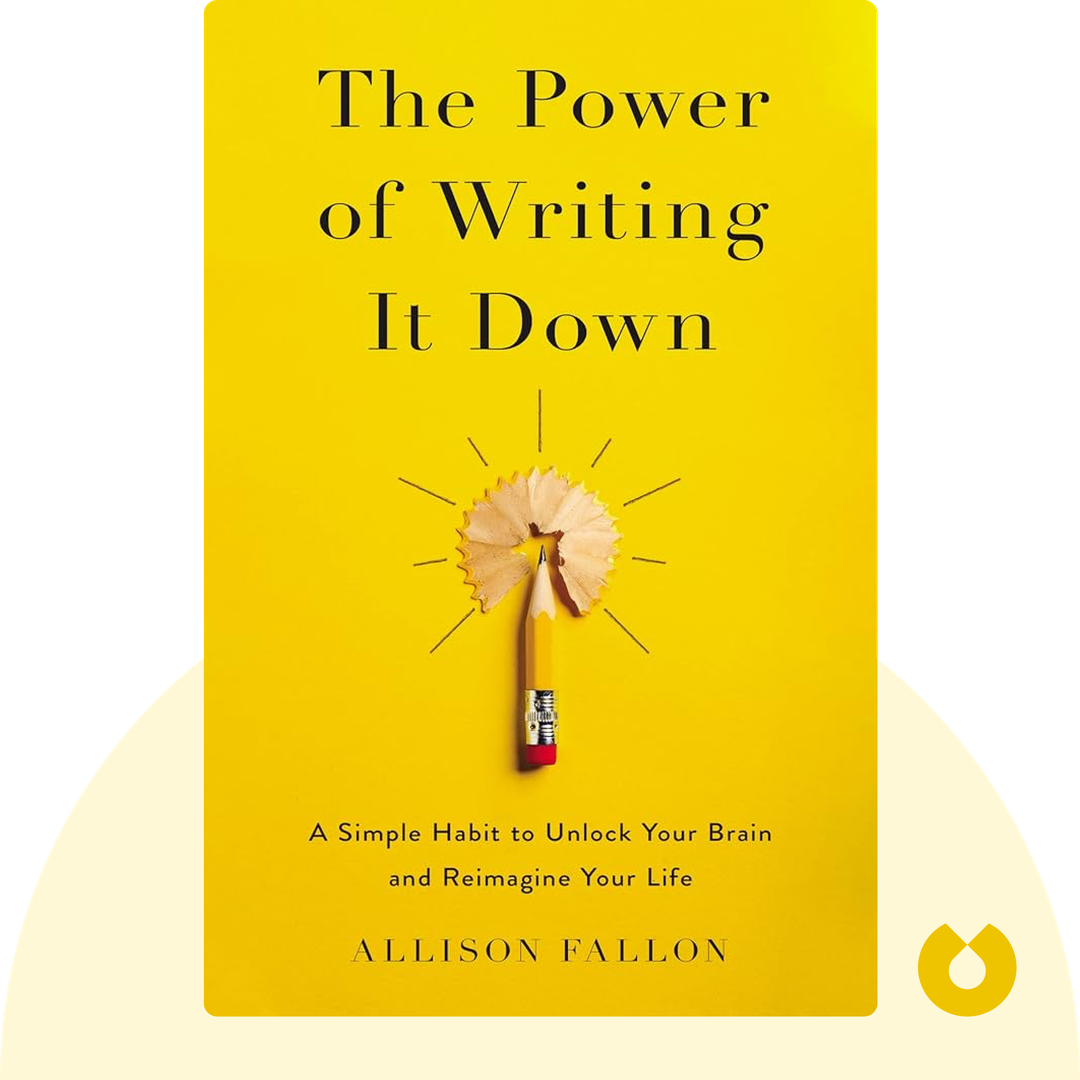
The Power of Writing It Down
Start ListeningDownload Try free on iPhoneScan to start in 5 seconds
Categories:
If You're Curious About These Questions...
You should listen to this audiobook
- Did you know that spending as little as five minutes a day with a pen and paper can actually create new neural pathways to help you break free from old, stuck patterns?
- Have you ever wondered why your mind gets trapped in the same overthinking loops, and what's the simple secret to clearing that mental fog for good?
- What if you could become the intentional author of your own life story and heal from past trauma using nothing more than a daily writing practice?
Listen to The Power of Writing It Down — Free Audiobook
Loading player...
Key Takeaways from The Power of Writing It Down
- Discover how to tap into the transformative power of expressive writing to clarify your desires, process difficult emotions, and connect with your authentic voice.
- Learn how to build a sustainable writing habit by designating a special physical space, scheduling non-negotiable time, and observing your mental chatter.
- Understand how to conquer both external distractions and the internal self-doubt of your inner critic to turn the terrifying blank page into a powerful ally.
- Master the technique of question-based writing to bypass the pressure for perfection and naturally explore your hidden hopes, fears, and curiosities.
- Find out how discharging negative emotions through writing can reshape your personal narrative and lead to tangible life improvements using tools like the infinity prompt.
Learning Tools
Reinforce what you learned from The Power of Writing It Down
Mind Map
The Power of Writing It Down
Expressive Writing Basics+
Building a Sustainable Practice+
Overcoming Resistance+
Writing Techniques & Tools+
Shaping Your Narrative+
Quiz — Test Your Understanding
Question 1 of 7
What is 'expressive writing' as defined in the book?
Question 2 of 7
Why does the author suggest sitting quietly and observing your thoughts before beginning to write?
Question 3 of 7
How does the text view the 'inside drama' or inner saboteur that appears when you face a blank page?
Question 4 of 7
What is the primary benefit of using question-based writing exercises?
Question 5 of 7
What is the core purpose of the 'infinity prompt' discussed in the text?
Question 6 of 7
When narrating your own story, what is the main difference between your 'protagonist' self and your 'narrator' voice?
Question 7 of 7
Why does the author recommend imagining a specific recipient (like writing a love letter) when doing expressive writing?
The Power of Writing It Down — Full Chapter Overview
- 1Recommendation
- 2You're already a writer
- 3Facing the terrifying blank page
- 4Challenge everything
- 5Your hidden tool: the infinity prompt
- 6Tell your own story
- 7Write it as a love letter
The Power of Writing It Down Summary & Overview
The Power of Writing it Down (2025) shows how through a simple daily writing practice, we can transform our lives by breaking free from old patterns, processing our experiences, and creating new neural pathways toward better habits and clearer thinking. Spending just five to twenty minutes a day with pen and paper can help anyone reduce anxiety, heal from past trauma, find fresh motivation, and live with more confidence and clarity.
Who Should Listen to The Power of Writing It Down?
- Chronic overthinkers who want to get unstuck from mental loops
- Self-help skeptics looking for free, effective tools to gain clarity and direction
- Anyone who wants to steer the story of their own life
Books Similar to The Power of Writing It Down
Readers who enjoyed this also liked these titles.