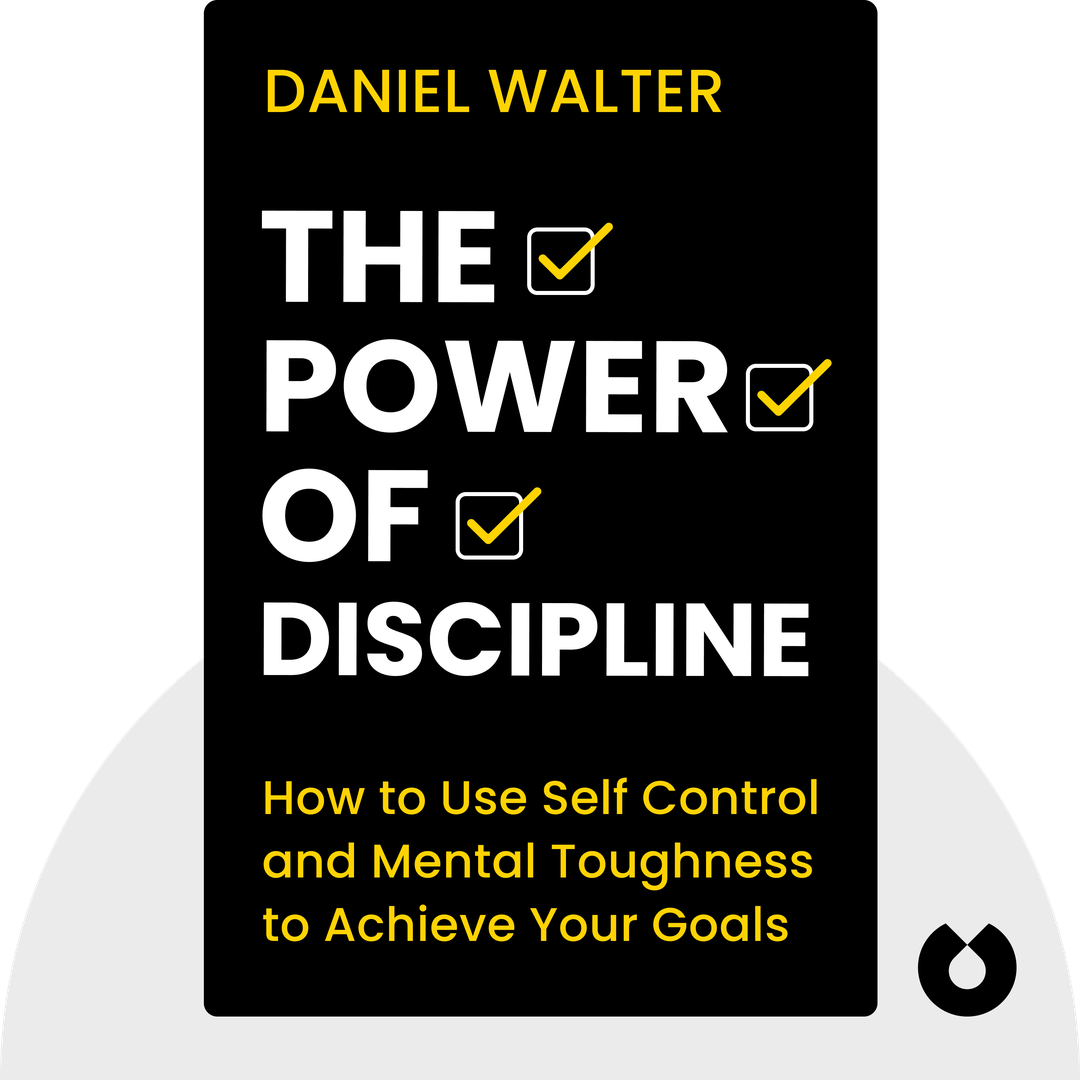
The Power of Discipline
Start ListeningDownload Try free on iPhoneScan to start in 5 seconds
Categories:
If You're Curious About These Questions...
You should listen to this audiobook
- Did you know that your struggle with self-discipline might be rooted in your biology rather than a lack of willpower?
- Have you ever wondered why it’s so easy to fall back into bad habits, and what your brain is actually doing to keep you there?
- What if you could harness the biological secrets of high achievers to turn self-discipline into a natural, automatic habit?
Listen to The Power of Discipline — Cinematic Audio Edition
Loading player...
Key Takeaways from The Power of Discipline
- Discover why struggling with self-discipline is a natural biological response rather than a personal failure, and how you can rewire your brain through repetition.
- Learn to rely on consistent discipline instead of unpredictable motivation to keep moving forward on ordinary, uninspired days.
- Understand the trap of Parkinson's Law to see how giving yourself too much time for a task secretly justifies procrastination and endless planning.
- Master the 70% rule to overcome perfectionism, empowering you to take action as soon as you feel mostly confident instead of waiting for the perfect moment.
- Avoid False Hope Syndrome by mentally preparing for inevitable challenges and accepting that sustainable habit change requires time, not overnight success.
Learning Tools
Reinforce what you learned from The Power of Discipline
Mind Map
The Power of Discipline
The Core of Self-Discipline+
Overcoming Status Quo Bias+
Building Successful Habits+
Zen and Meditation+
Harnessing Negative Emotions+
Quiz — Test Your Understanding
Question 1 of 7
What does the author identify as the primary reason people consistently fail to achieve their goals?
Question 2 of 7
According to the text, how does the prefrontal cortex relate to the concept of self-discipline?
Question 3 of 7
Which psychological factor explains why a person might remain in a toxic work environment simply because it is what they are familiar with?
Question 4 of 7
Based on the study mentioned in the book, what is the relationship between gratitude and self-control?
Question 5 of 7
How does the 'Shikantanza' meditation technique differ from simply clearing your mind?
Question 6 of 7
According to Zen Buddhist teachings mentioned in the text, why is it detrimental to focus heavily on the future?
Question 7 of 7
What is the book's recommended approach for handling negative emotions like frustration or jealousy when pursuing a goal?
The Power of Discipline — Full Chapter Overview
- 1Recommendation
- 2Why discipline isn't automatic and why that's okay
- 3Beliefs, procrastination, and the quiet mind traps
- 4Making hard work feel less heavy
- 5Discipline that includes rest, not burnout
- 6The winning mindset built one small choice at a time
- 7Habits that make discipline feel more natural
- 8Self-discipline as a lifestyle with balance built in
The Power of Discipline Summary & Overview
The Power of Discipline (2020) explores the biological tendencies within our brains that determine our ability to control our self-discipline. It shows us how we can refine these tendencies in order to develop improved self-disciplinary habits and reach our goals.
Who Should Listen to The Power of Discipline?
- Anyone lacking some self-discipline in their lives
- Those who need to ditch their bad habits
- Goal-setters looking for advice on how to be an achiever
Books Similar to The Power of Discipline
Readers who enjoyed this also liked these titles.