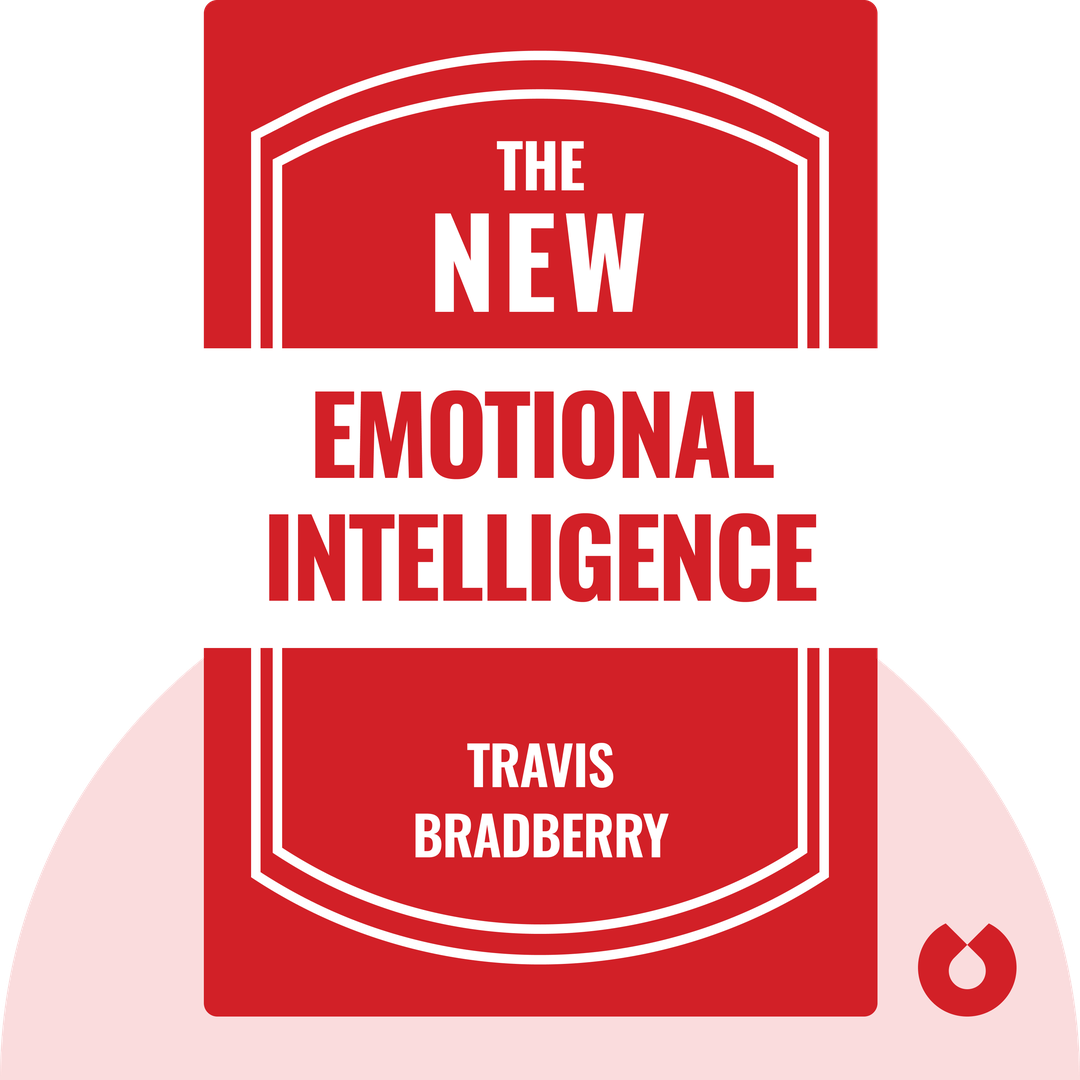
The New Emotional Intelligence
Start ListeningDownload Try free on iPhoneScan to start in 5 seconds
Categories:
If You're Curious About These Questions...
You should listen to this audiobook
- Have you ever wondered why some people stay perfectly calm under high-stakes pressure while others struggle—and what specific biological 'switch' allows them to do it?
- What if you could master the subtle art of reading hidden emotional cues to instantly transform your influence and build deeper trust in every conversation?
- Did you know that a specific set of four core emotional skills has been proven to predict your career success more accurately than your IQ or technical expertise?
Listen to The New Emotional Intelligence — Cinematic Audio Edition
Loading player...
Key Takeaways from The New Emotional Intelligence
- Understand why your feelings often guide your decisions by learning how the brain's limbic system processes emotional signals before your rational mind gets involved.
- Discover the four core pillars of emotional intelligence—self-awareness, self-management, social awareness, and relationship management—and how to systematically build each one.
- Learn how simply labeling your emotions can engage your frontal cortex and quiet your amygdala, allowing you to calm down and make intentional choices.
- Master seven actionable behavioral traits, such as pushing your boundaries and acting without waiting for permission, to naturally boost your confidence and likelihood of success.
- Find out how physical habits impact your emotional intelligence, including why limiting afternoon caffeine and optimizing sleep clears toxic proteins from your brain.
Learning Tools
Reinforce what you learned from The New Emotional Intelligence
Mind Map
The New Emotional Intelligence
Foundations of EQ+
1. Self-Awareness+
2. Self-Management+
3. Social Awareness+
4. Relationship Management+
Quiz — Test Your Understanding
Question 1 of 8
According to the text, why do our feelings often seem to guide our decisions?
Question 2 of 8
What physiological effect occurs when you accurately label an emotion you are feeling?
Question 3 of 8
What is a potential neurological consequence of chronic complaining?
Question 4 of 8
If you want to be listened to and deliver a memorable message, what ratio of story to data does the text suggest, based on successful TED talks?
Question 5 of 8
According to psychologist Robert Feldman's research on lying, how do the deceptive habits of men and women typically differ?
Question 6 of 8
What did the study about car buyers reveal about decision-making?
Question 7 of 8
When navigating conflict assertively, which simple linguistic switch does the text recommend to create a more cooperative conversation?
Question 8 of 8
How does expressing genuine appreciation for someone physically affect the brain?
The New Emotional Intelligence — Full Chapter Overview
- 1Recommendation
- 2How emotional intelligence shapes your thinking and relationships
- 3The ongoing journey to self-awareness
- 4Steps to improve self-management
- 5The path toward greater social awareness
- 6Building effective relationship management skills
- 7Final summary
The New Emotional Intelligence Summary & Overview
The New Emotional Intelligence (2025) explores how emotional intelligence is essential in today’s fast-changing world and offers a fresh, science-backed approach to developing it. It presents a practical program centered on the four key EQ skills – self-awareness, self-management, social awareness, and relationship management – providing actionable strategies to help you grow emotionally and reach your full potential.
Who Should Listen to The New Emotional Intelligence?
- Anyone looking to improve emotional understanding and self-control
- Professionals seeking stronger relationships and communication skills
- Those interested in practical, science-backed personal growth tools
Books Similar to The New Emotional Intelligence
Readers who enjoyed this also liked these titles.