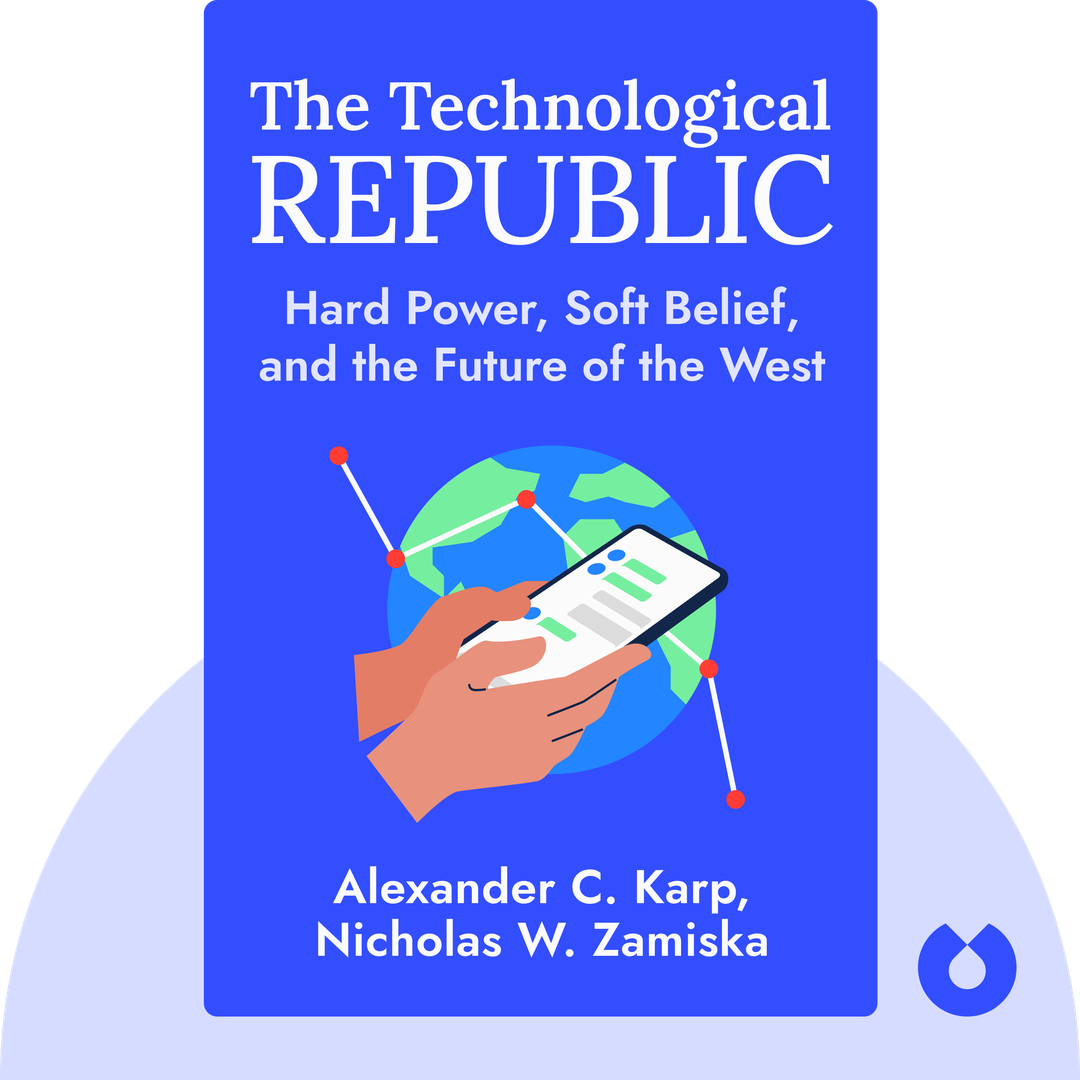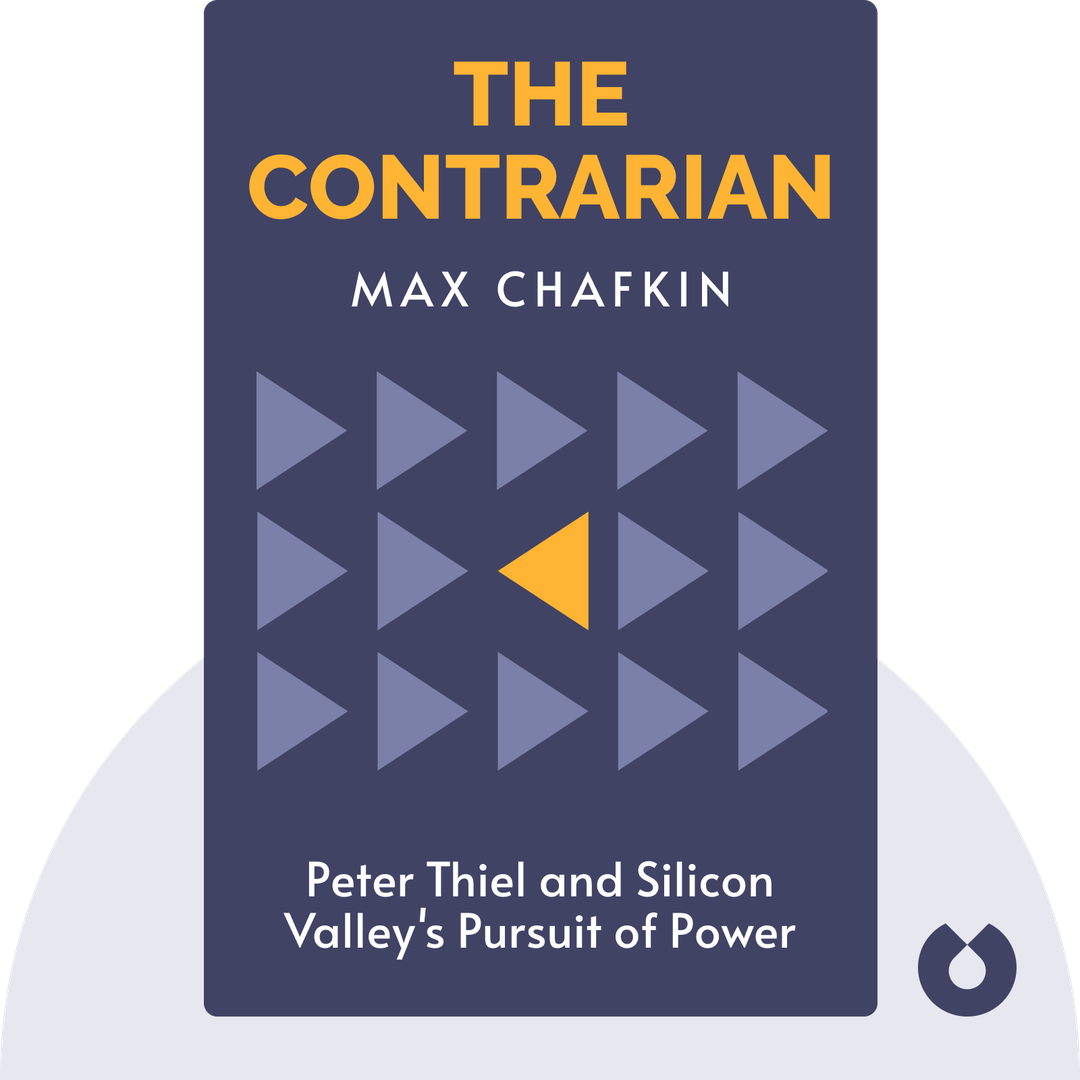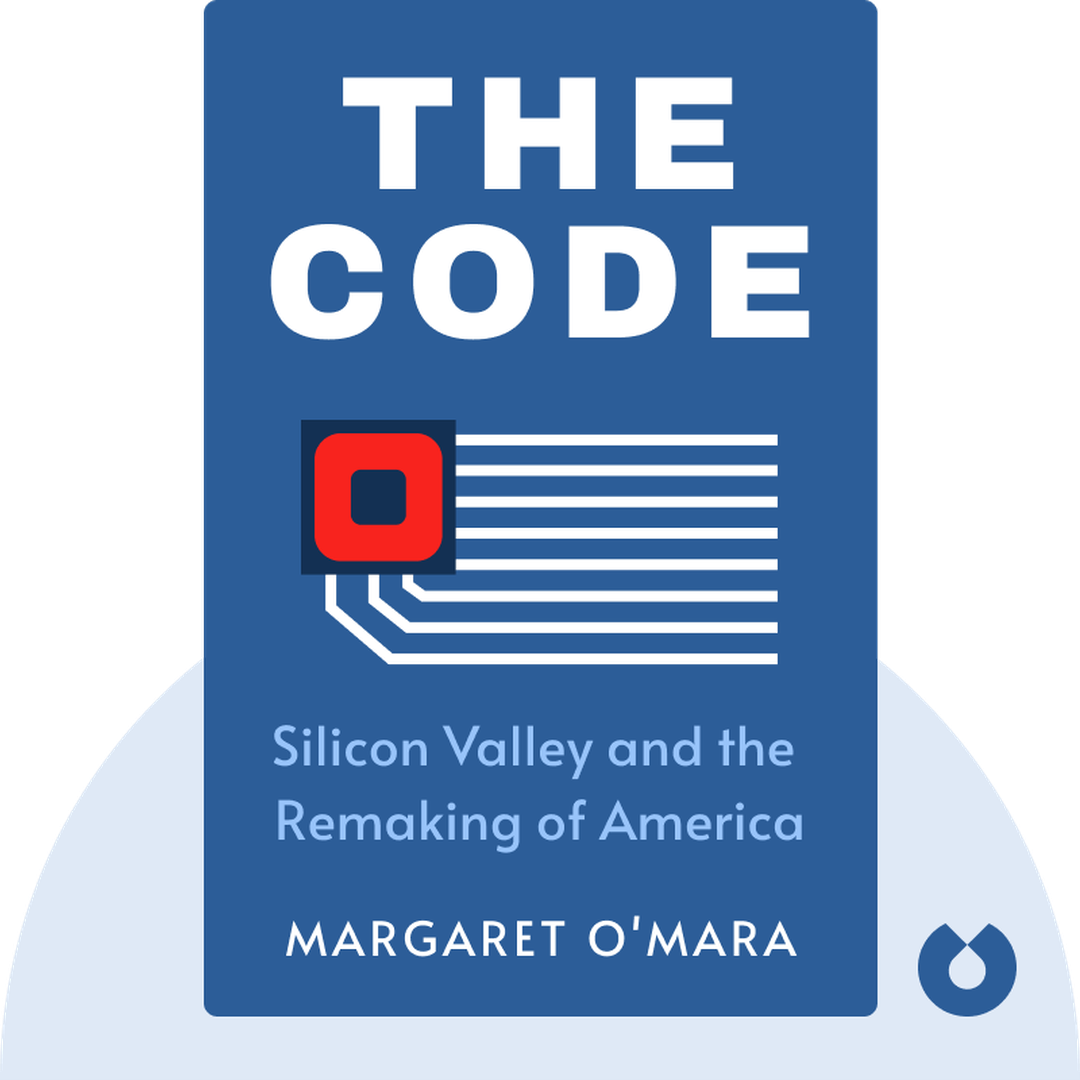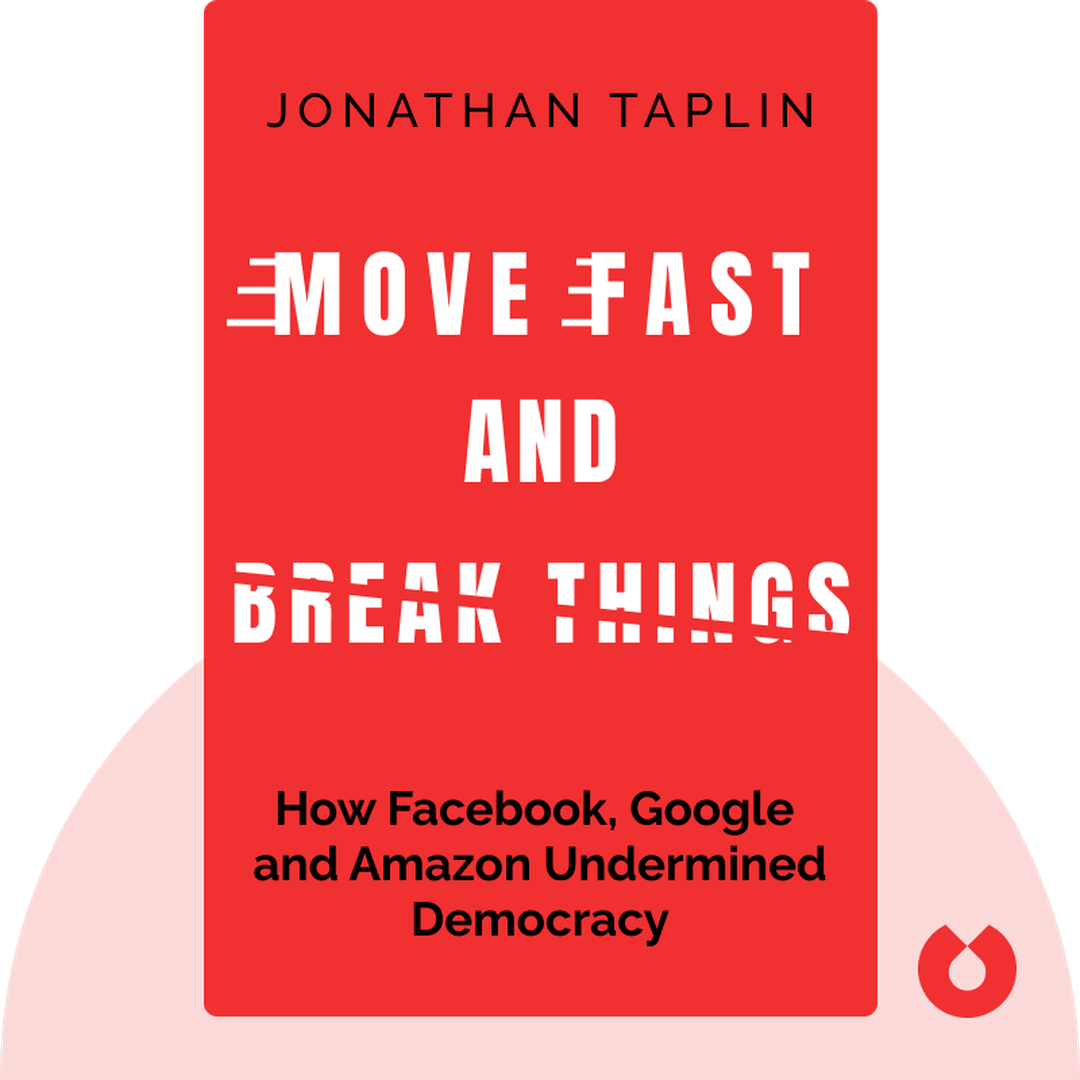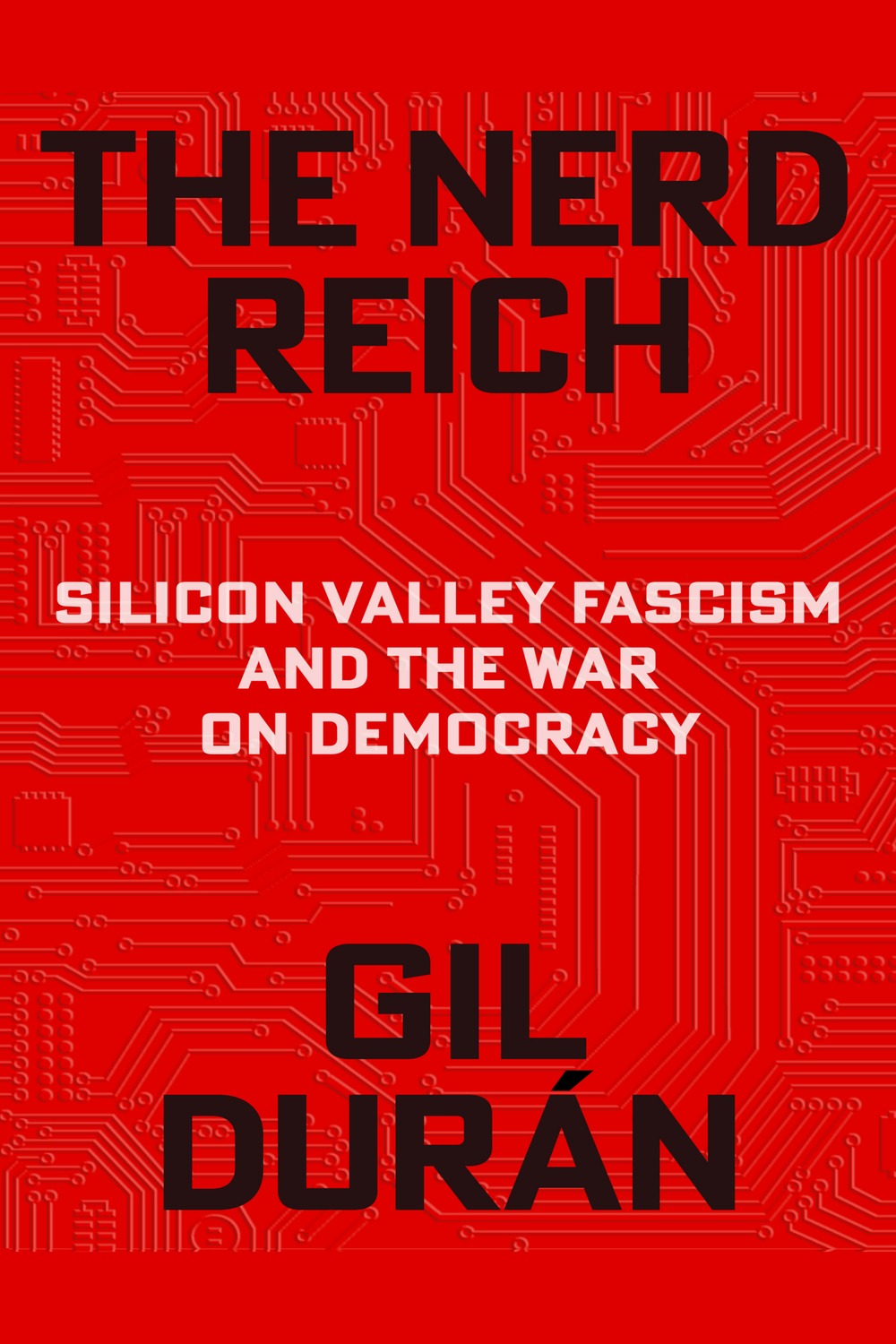
The Nerd Reich: Silicon Valley Fascism and the War on Democracy audiobook cover - Gil Durán traces how a cluster of technology billionaires, venture capitalists, political operatives, and anti-democratic thinkers transformed obscure internet theories into a movement seeking control over government, money, media, warfare, and the future itself.
Theme Song

The Nerd Reich: Silicon Valley Fascism and the War on Democracy

Gil Durán traces how a cluster of technology billionaires, venture capitalists, political operatives, and anti-democratic thinkers transformed obscure internet theories into a movement seeking control over government, money, media, warfare, and the future itself.

Gil Durán

4.5 / 5(408 ratings)
Start ListeningDownloadQR code that opens AudiobookHub on the App StoreTry free on iPhoneScan to start in 5 seconds

If You're Curious About These Questions...

You should listen to this audiobook

Listen to The Nerd Reich: Silicon Valley Fascism and the War on Democracy — Cinematic Audio Edition

Loading player...

Key Takeaways from The Nerd Reich: Silicon Valley Fascism and the War on Democracy

Learning Tools

Reinforce what you learned from The Nerd Reich: Silicon Valley Fascism and the War on Democracy

Mind Map

The Nerd Reich
The Rise of Tech Fascism+
Ideological Foundations+
The Exit Strategy and Network States+
Political Realignment and Tech Right+
Infiltrating the Government+
The Ultimatum and Solutions+

Quiz — Test Your Understanding

Question 1 of 10
What does Gil Durán mean by the term 'tech fascism'?
  • A. A complete dismantling of all government structures to create an anarcho-capitalist society.
  • B. Public authority being captured and rebuilt around privately controlled technologies.
  • C. The imposition of strict technology regulations by an authoritarian government.
  • D. A government run entirely by unbiased artificial intelligence algorithms.
Question 2 of 10
According to the 1997 book 'The Sovereign Individual', what is the predicted outcome of the digital revolution?
  • A. A universal basic income funded by artificial intelligence.
  • B. Global democratization and the inevitable end of dictatorships.
  • C. A wealthy cognitive elite liberated from democratic obligations while ordinary workers face disorder.
  • D. A resurgence of national borders, taxation, and strong welfare states.
Question 3 of 10
In Curtis Yarvin's political philosophy, what does 'the Cathedral' refer to?
  • A. The liberal institutional network—including universities and journalism—that he claims secretly controls American democracy.
  • B. A massive, decentralized cryptocurrency mining operation designed to overthrow banks.
  • C. Traditional religious institutions that actively oppose rapid technological progress.
  • D. A proposed futuristic mega-city governed entirely by a council of corporate CEOs.
Question 4 of 10
What does Curtis Yarvin propose as an alternative to modern democracy through his 'Patchwork' model?
  • A. A global federation of democratically elected socialist governments.
  • B. A world divided into corporate city-states operating under chief executives with dictatorial authority.
  • C. An internet governed by a decentralized assembly of users voting directly on all decisions.
  • D. A return to agrarian communities deliberately isolated from modern technology.
Question 5 of 10
How does Balaji Srinivasan apply the concept of 'exit' to nations in his vision of 'The Network State'?
  • A. Citizens should systematically vote to exit global treaties like the United Nations.
  • B. Dissatisfied citizens should demand institutional reform from their current governments using social media.
  • C. Tech companies should relocate their headquarters exclusively to offshore tax havens.
  • D. Silicon Valley should build new societies and alternative governments beyond the control of Washington.
Question 6 of 10
What primary danger does Durán associate with TESCREAL ideologies (such as transhumanism and longtermism)?
  • A. They distract technology investors from building practical consumer products for the present day.
  • B. They encourage communist economic policies to aggressively fund space exploration.
  • C. They use hypothetical future populations and machine intelligence as excuses for sacrificing living people and democratic oversight today.
  • D. They actively promote a return to pre-industrial lifestyles by painting technology as evil.
Question 7 of 10
Why does Durán describe JD Vance as Peter Thiel's 'unicorn candidate'?
  • A. Vance successfully built a multi-billion dollar tech startup before entering politics.
  • B. Thiel supplied Vance with the contacts, financing, and ideology to propel him into the vice presidency.
  • C. Vance single-handedly dismantled the federal civil service through a series of unprecedented legal challenges.
  • D. Vance was the only politician who convinced Donald Trump to invest heavily in Thiel's cryptocurrency startups.
Question 8 of 10
In the context of the Trump administration, how did tech billionaires fulfill the vision of 'The Sovereign Individual' in an unexpected way?
  • A. By abandoning the United States entirely to build autonomous floating cities in international waters.
  • B. By successfully abolishing the US dollar and replacing it entirely with Bitcoin.
  • C. By dismantling the military-industrial complex to promote a global agenda of pacifism.
  • D. By colonizing the government and embedding proprietary systems inside essential institutions rather than simply escaping it.
Question 9 of 10
What does Durán mean by the 'authoritarian stack'?
  • A. A hierarchical system of federal judges appointed directly by technology billionaires.
  • B. A collection of decentralized democratic communities successfully resisting corporate control.
  • C. A combination of cloud computing, finance, satellites, AI, surveillance, and weapons controlled by interconnected private companies.
  • D. A set of strict government regulations aimed at forcefully breaking up technology monopolies.
Question 10 of 10
Which of the following aligns with Durán's proposed radical response to the influence of tech billionaires?
  • A. Creating a centralized, government-run cryptocurrency to directly compete with Bitcoin and Ethereum.
  • B. Suspending all national elections until artificial intelligence can mathematically guarantee their fairness.
  • C. Preventing billionaire-scale wealth concentration, regulating AI, breaking up tech monopolies, and banning cryptocurrency.
  • D. Encouraging citizens to completely disconnect from all digital devices and return to analog living.

The Nerd Reich: Silicon Valley Fascism and the War on Democracy — Full Chapter Overview

The Nerd Reich: Silicon Valley Fascism and the War on Democracy Summary & Overview

In The Nerd Reich, journalist Gil Durán argues that Silicon Valley’s rightward turn is not merely a campaign for lower taxes or lighter regulation. He presents it as the culmination of a decades-long ideological project shaped by cyberlibertarianism, apocalyptic capitalism, neoreactionary politics, cryptocurrency, artificial intelligence, and the belief that wealthy technology elites should escape—or replace—democratic government.

The book follows a network centered on Peter Thiel and extending through Curtis Yarvin, Balaji Srinivasan, Marc Andreessen, Elon Musk, and JD Vance. Durán connects their writings, investments, political relationships, and proposed private cities to Donald Trump’s return to power. He argues that crypto supplied political money, AI and surveillance supplied governing infrastructure, and venture capital supplied an appetite for disruption. The result, in his account, is an emerging form of tech fascism: private technological power fused with authoritarian government. The book closes with a forceful call to curb billionaire power, regulate transformative technologies, restore democratic control, and imagine a future organized around human welfare rather than oligarchic escape.

Who Should Listen to The Nerd Reich: Silicon Valley Fascism and the War on Democracy?

  • Listeners interested in the relationship between Silicon Valley, venture capital, and authoritarian politics.
  • Readers seeking a critical history of cryptocurrency, artificial intelligence, network states, and cyberlibertarian ideology.
  • Citizens concerned about concentrated wealth, democratic accountability, surveillance, media power, and technology regulation.

About the Author: Gil Durán

Gil Durán is a California journalist and former political adviser. He worked for public figures including Jerry Brown, Dianne Feinstein, and Kamala Harris before returning to journalism as an opinion editor at The Sacramento Bee and editorial page editor at the San Francisco Examiner. He publishes the newsletters The Nerd Reich and FrameLab.

🎧
Listen in the AppOffline playback & background play
Get App
The Nerd Reich: Silicon Valley Fascism and the War on DemocracyTheme Song
NOW PLAYING
The Nerd Reich: Silicon Valley Fascism and the War on Democracy

The Nerd Reich: Silicon Valley Fascism and the War on Democracy

Theme Song
0:000:00