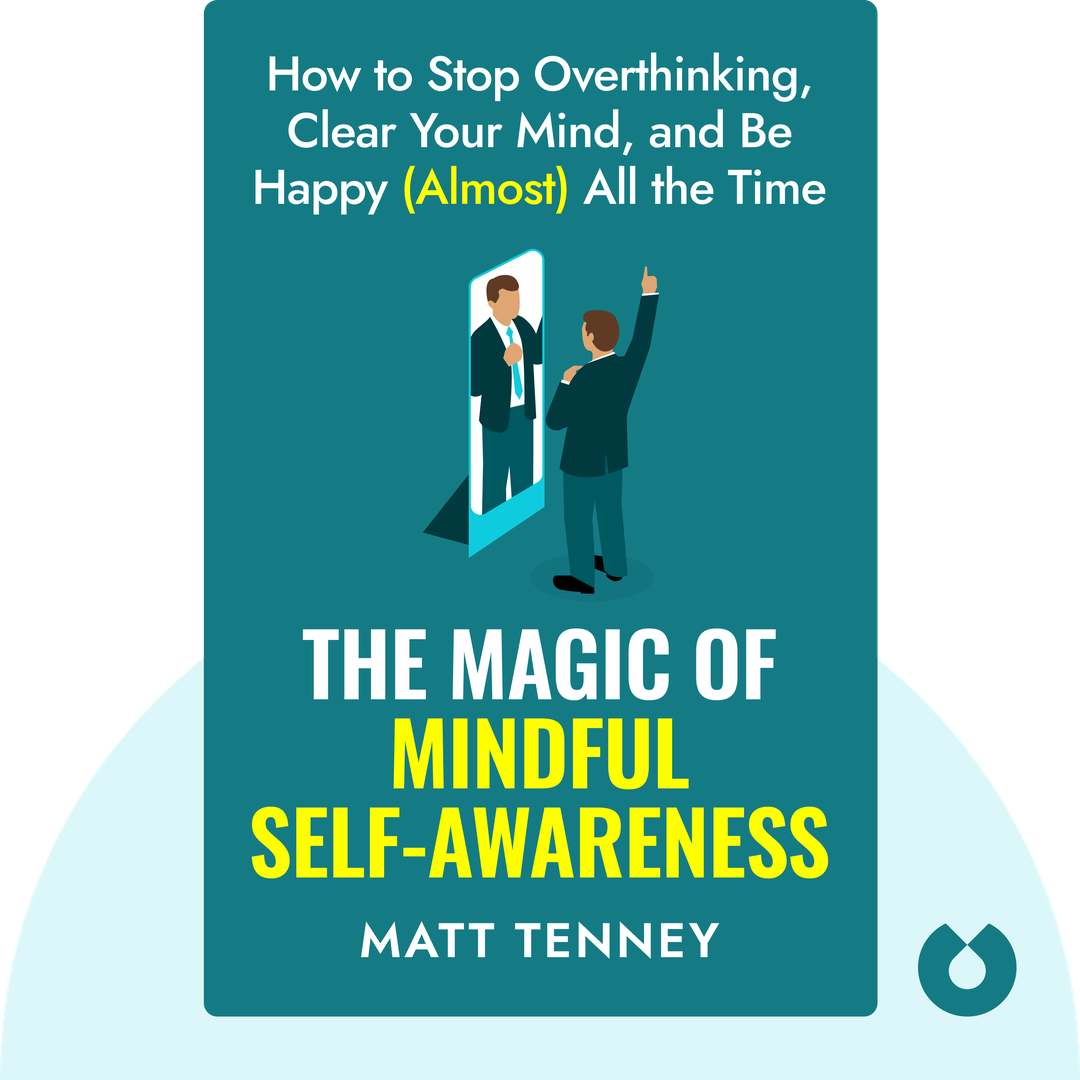
The Magic of Mindful Self-Awareness
Start ListeningDownload Try free on iPhoneScan to start in 5 seconds
Categories:
If You're Curious About These Questions...
You should listen to this audiobook
- Have you ever wondered why your mind gets stuck in exhausting loops of overthinking, and what’s the secret to clearing those unwanted thoughts instantly?
- What if you could tap into a source of unconditional happiness that stays steady even during life’s most stressful and challenging moments?
- Are you curious about how to discover the hidden part of yourself that remains perfectly peaceful, no matter how much chaos is happening around you?
Listen to The Magic of Mindful Self-Awareness — Cinematic Audio Edition
Loading player...
Key Takeaways from The Magic of Mindful Self-Awareness
- Discover why true, unconditional happiness isn't found in external achievements, but by turning inward and letting go of constant comparisons.
- Find out why forcing positive thoughts over negative ones is like bandaging an infected wound, and learn to observe life's events without rigid judgments.
- Learn how to ground yourself in the present moment through bodily awareness, creating a stable foundation to observe thoughts without getting pulled into their drama.
- Understand how treating your mind like a snow globe allows busy thoughts to settle naturally, creating more space for genuine insight and creativity.
- Master the five-minute nightly 'vacation' meta-habit to experience profound rest before sleep, cultivating a peace that naturally spills over into your waking hours.
Learning Tools
Reinforce what you learned from The Magic of Mindful Self-Awareness
Mind Map
The Magic of Mindful Self-Awareness
The Nature of True Happiness+
Core Practice: Mindful Self-Awareness+
Transcending Labels+
Anchoring in the Body+
Overcoming Suffering+
Transformative Habits+
Discovering the True Self+
Quiz — Test Your Understanding
Question 1 of 8
According to the book, why is it a mistake to immediately try replacing negative comparative thoughts with positive ones?
Question 2 of 8
What is recommended as the first step to avoid getting swept away by negative thoughts?
Question 3 of 8
How does the author use the metaphor of a snow globe to explain the process of clearing your mind?
Question 4 of 8
What is the primary purpose of the five-minute "vacation" practice before sleep?
Question 5 of 8
What paradigm shift does the author suggest regarding mundane activities like washing dishes or brushing teeth?
Question 6 of 8
According to the book, what is the fundamental difference between pain and suffering?
Question 7 of 8
How does the author suggest you change your relationship with a physical sensation like an itch?
Question 8 of 8
What metaphor is used to describe how your "true self" interacts with thoughts and emotions?
The Magic of Mindful Self-Awareness — Full Chapter Overview
- 1Recommendation
- 2Nothing Is Simply “Good” or “Bad”
- 3Quiet Your Mind
- 4Go on Vacation
- 5Happiness Isn’t Waiting in the Future
- 6Suffering Is Subjective
- 7Welcome Your True Self
- 8Final summary
The Magic of Mindful Self-Awareness Summary & Overview
The Magic of Mindful Self Awareness (2025) teaches readers how to achieve unconditional happiness through mindful presence. It provides practical techniques for stopping overthinking, clearing unwanted thoughts, transforming negative emotions into compassion, and discovering one's true self – the part that remains peaceful even during life's most challenging moments.
Who Should Listen to The Magic of Mindful Self-Awareness?
- Anxious overthinkers who want to escape mental loops
- Busy professionals looking to find inner peace without adding to their schedules
- Anyone seeking deep fulfilment and lasting peace
Books Similar to The Magic of Mindful Self-Awareness
Readers who enjoyed this also liked these titles.