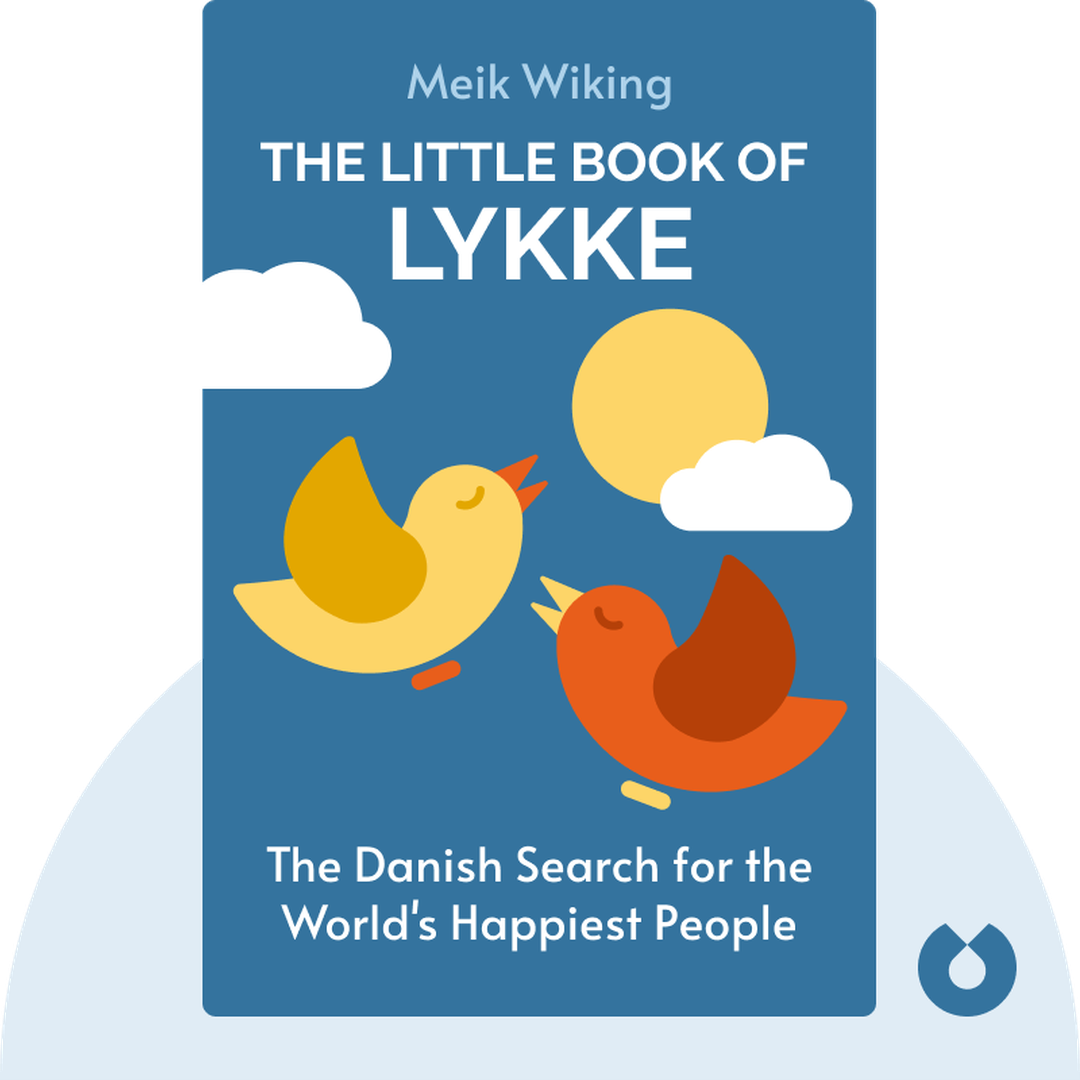
The Little Book of Lykke
Start ListeningDownload Try free on iPhoneScan to start in 5 seconds
Categories:
If You're Curious About These Questions...
You should listen to this audiobook
- What's the secret to Denmark's astonishingly high levels of happiness?
- Are you curious about the simple habits that can boost your mood and energy?
- What if you could unlock the Scandinavian formula for living a more fulfilling life?
Listen to The Little Book of Lykke — Free Audiobook
Loading player...
Key Takeaways from The Little Book of Lykke
- Understand why fostering a strong sense of community and contributing to the common good creates a vital safety net that significantly boosts overall happiness.
- Discover how stepping away from social media and establishing tech-free periods with loved ones can drastically reduce loneliness and increase life satisfaction.
- Learn how to maximize the joy of buying things by linking purchases to specific goals, since the anticipation of a reward often brings more happiness than the product itself.
- Find out why avoiding conspicuous consumption and resisting the urge to compare your wealth to others is an essential step in protecting your personal happiness.
- Discover why changing your daily commute to walking or biking, along with immersing yourself in nature, can dramatically improve both your physical and mental well-being.
Learning Tools
Reinforce what you learned from The Little Book of Lykke
Mind Map
The Little Book of Lykke
Community & Connection+
Money & Experiences+
Health of Body & Mind+
Free Time & Autonomy+
Trust & Empathy+
The Impact of Inequality+
Kindness & Volunteering+
Quiz — Test Your Understanding
Question 1 of 7
Why are Danes generally willing to pay extremely high income taxes, according to the book?
Question 2 of 7
What did researchers Elizabeth Dunn and Michael Norton discover about the relationship between purchasing products and happiness?
Question 3 of 7
According to a McGill University study reviewing modes of transportation, which commute provides people with the most satisfaction?
Question 4 of 7
How does Denmark attempt to close the 'parental happiness gap' for families without nearby relatives?
Question 5 of 7
What was the result of ending tyrannical micromanagement and implementing a 'trust reform' for social-care workers in Copenhagen?
Question 6 of 7
Based on research by Katherine DeCelles and Michael Norton, what factor is the greatest contributor to intensifying 'air rage' on flights?
Question 7 of 7
Which area of the brain lights up when people think about giving money to charity, producing the 'helper's high'?
The Little Book of Lykke — Full Chapter Overview
- 1Recommendation
- 2A strong community and spending time with others, not online, are essential for happiness in life.
- 3Money brings less joy than the eager anticipation of future experiences.
- 4A fit body and clear mind lead to a happier life.
- 5More free time can boost your spirits.
- 6Trust and empathy are vital for a happier society.
- 7Inequality, whether economic or perceived, is the enemy of happiness.
- 8Being kind and charitable are gifts that always give back.
The Little Book of Lykke Summary & Overview
The Little Book of Lykke (2017) is a treasure trove of useful tips and Scandinavian secrets for how to live a happier life. It reveals many fundamental facts that contribute to human happiness and shows how Danish society has fused them into everyday life. Author Meik Wiking also demonstrates how you can take these lessons and start incorporating them into your life, no matter where you live.
Who Should Listen to The Little Book of Lykke?
- Anyone who’d like to have more happiness in their life
- Travelers curious about Scandinavian life
- People interested in the science behind happiness
Books Similar to The Little Book of Lykke
Readers who enjoyed this also liked these titles.