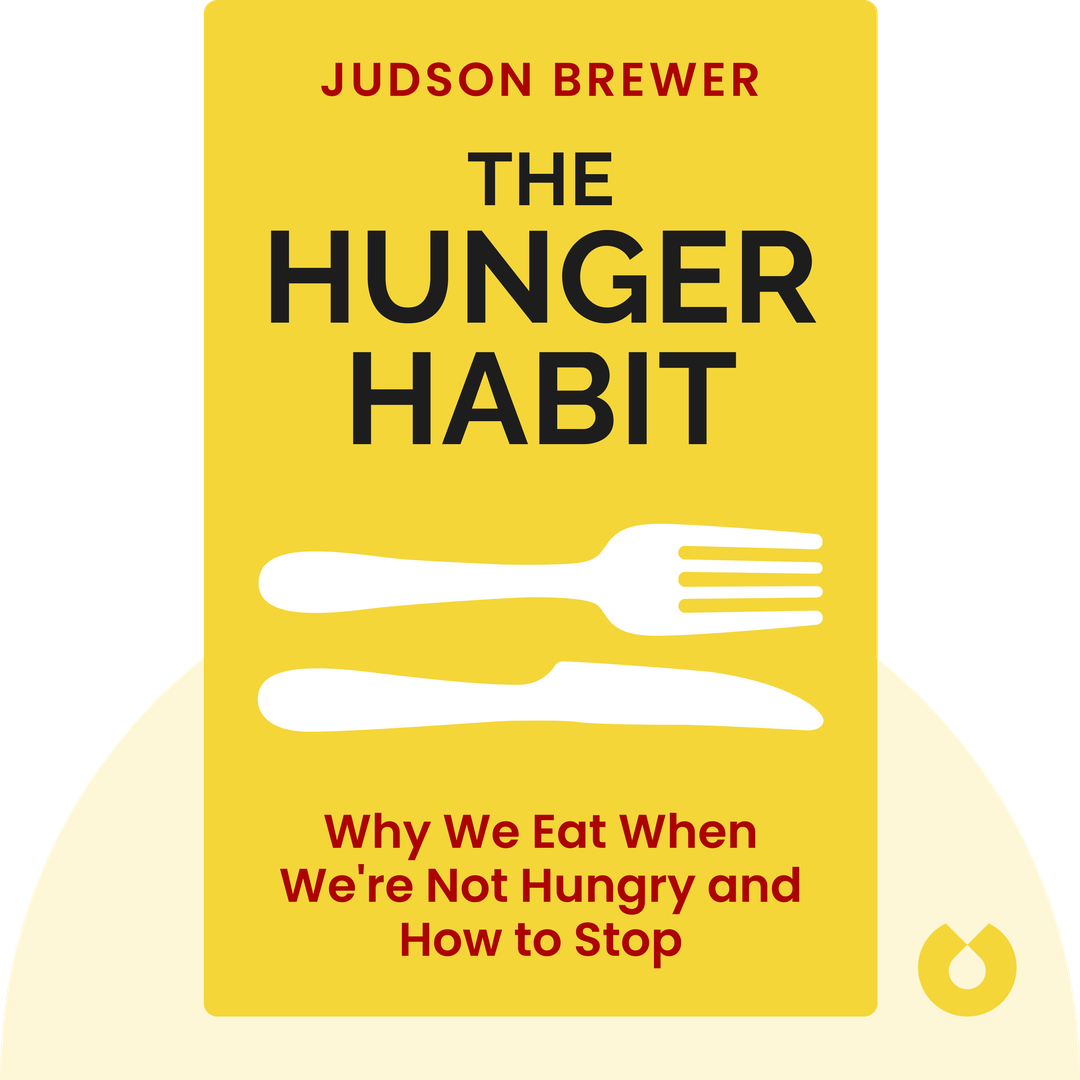
If You're Curious About These Questions...
You should listen to this audiobook
- Have you ever wondered why willpower often fails when it comes to food, and what your brain is actually seeking when you reach for a snack you aren't even hungry for?
- What if the secret to breaking your unhealthiest eating habits isn't more discipline, but a specific way of paying attention to how food actually makes you feel?
- Did you know that your brain has a 'reward-based learning' system that can be hacked to naturally reduce cravings without the misery of a restrictive diet?
Listen to The Hunger Habit — Free Audiobook
Loading player...
Key Takeaways from The Hunger Habit
- Discover why traditional diets that rely on willpower and calorie-counting fail, and learn to distinguish between physiological fuel and emotional, hedonic hunger.
- Learn how to recognize the deeply ingrained emotional habit loops that trigger mindless comfort eating when you are stressed, bored, or tired.
- Understand how practicing mindfulness engages your brain's decision-making center to naturally build a lasting disenchantment with unhealthy junk foods.
- Find out how to successfully reprogram your brain's reward hierarchy so you can effortlessly swap out less healthy habits for nourishing, satisfying alternatives.
- Master a practical pre-meal awareness exercise using a zero-to-ten hunger scale to tune into your body's genuine signals without needlessly restricting what you eat.
Learning Tools
Reinforce what you learned from The Hunger Habit
Mind Map
The Hunger Habit
Core Philosophy+
Types of Hunger+
Neuroscience of Eating+
Awareness Exercises+
Managing Cravings+
Quiz — Test Your Understanding
Question 1 of 6
According to the book, what is 'hedonic hunger'?
Question 2 of 6
Why does the author argue that traditional diets relying on 'calories in, calories out' frequently fail?
Question 3 of 6
How does the process of 'disenchantment' help break unhealthy eating habits?
Question 4 of 6
What is the primary problem with using restriction and avoidance to manage food cravings?
Question 5 of 6
What does the technique of 'urge surfing' involve when dealing with a food craving?
Question 6 of 6
When practicing mindful eating to satisfy a craving without overindulging, what key question does the author recommend asking yourself?
The Hunger Habit — Full Chapter Overview
- 1Recommendation
- 2Healthy eating starts with understanding why you eat
- 3Mindfulness can help you break harmful eating habits
- 4Awareness practices help you reconnect with genuine hunger
- 5The best way to manage cravings is first to accept them
- 6Cravings can be satisfied without overeating
The Hunger Habit Summary & Overview
The Hunger Habit (2024) explores the psychological aspects of why we eat beyond our basic energy needs. Delving into how emotional hunger leads to unhealthy eating habits, it offers mindfulness strategies to manage cravings and develop a healthier relationship with food.
Who Should Listen to The Hunger Habit?
- Individuals struggling with emotional and habitual eating
- Mindfulness practitioners seeking dietary behavior change
- Health enthusiasts skeptical of fad diets
Books Similar to The Hunger Habit
Readers who enjoyed this also liked these titles.