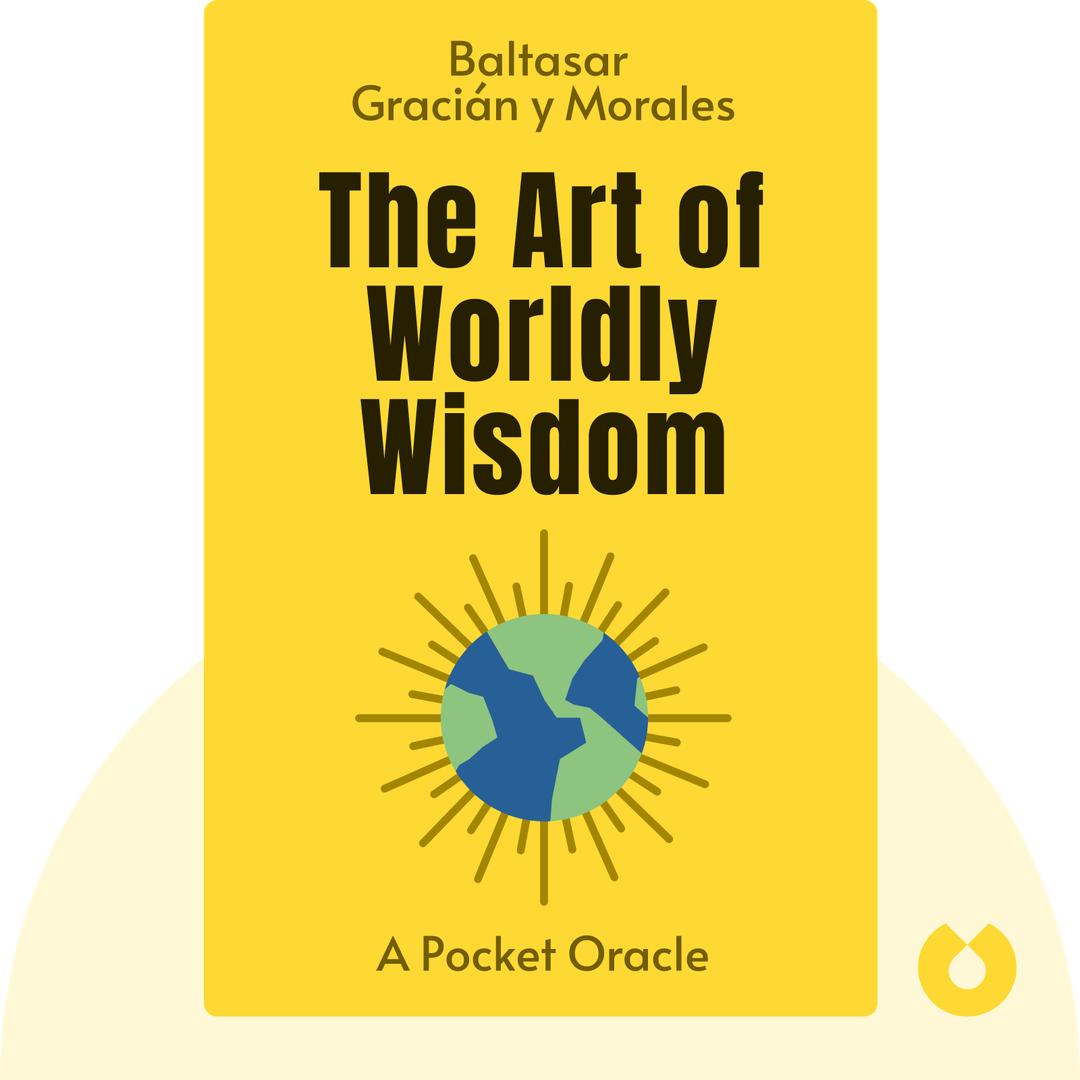
The Art of Worldly Wisdom
Start ListeningDownload Try free on iPhoneScan to start in 5 seconds
Categories:
If You're Curious About These Questions...
You should listen to this audiobook
- What’s the secret to gaining respect and influence by mastering the subtle art of giving—and withholding—favors?
- Have you ever wondered why keeping your true intentions slightly mysterious might be your greatest strategic advantage in both your social and professional life?
- What if you could master 300 timeless rules for success that have remained unchanged for nearly four centuries?
Listen to The Art of Worldly Wisdom — Free Audiobook
Loading player...
Key Takeaways from The Art of Worldly Wisdom
- Discover the crucial difference between 'friends of humor' and 'friends of talent,' and why surrounding yourself with successful people accelerates your own growth.
- Learn how to preserve your social capital by letting go of non-essential arguments and conceding points to maintain your social standing.
- Master the art of conversation by practicing brevity and avoiding talking about yourself, which prevents you from appearing either vain or meek.
- Understand why you must take a gentle, forgiving approach when friendships end to prevent former confidants from becoming dangerous detractors.
- Find out how to build and protect a powerful reputation by shrouding your work in mystery and intentionally hiding the full extent of your abilities.
Learning Tools
Reinforce what you learned from The Art of Worldly Wisdom
Mind Map
The Art of Worldly Wisdom
Cultivating Friendships+
Managing Reputation+
Pragmatic Morality+
The Economy of Favors+
Quiz — Test Your Understanding
Question 1 of 6
Why does the author suggest that Gracián's 400-year-old maxims are still highly applicable today?
Question 2 of 6
According to Gracián, what is a potential danger of spending too much time with 'friends of humor'?
Question 3 of 6
How does Gracián advise handling your personal weaknesses?
Question 4 of 6
What is Gracián's perspective on the visibility of your work and achievements?
Question 5 of 6
In the context of bending morality to get ahead, why does Gracián recommend making people depend on you?
Question 6 of 6
According to the text, what is a risk of doing someone too many favors without giving them the chance to reciprocate?
The Art of Worldly Wisdom — Full Chapter Overview
- 1Recommendation
- 2Building and sustaining lasting friendships is crucial to success.
- 3It’s vital to build and maintain a good reputation.
- 4Sometimes you must bend morality to get ahead in this life.
- 5All successful people are masters in the art of giving and receiving favors.
The Art of Worldly Wisdom Summary & Overview
The Art of Worldly Wisdom (1647) is a timeless self-help classic. Comprising 300 short but brilliant maxims, it sheds light on how to live your life, achieve success, and win respect. It has remained consistently relevant throughout its nearly 400-year publication history, inspiring the likes of Arthur Schopenhauer and Friedrich Nietzsche.
Who Should Listen to The Art of Worldly Wisdom?
- Anyone looking for time-tested wisdom on how to live a better life;
- Curious minds interested in the subtle art of giving and receiving favors; and
- Self-help fans wanting to see how little the genre has changed over the centuries.
Books Similar to The Art of Worldly Wisdom
Readers who enjoyed this also liked these titles.