If You're Curious About These Questions...
You should listen to this audiobook
- Have you ever wondered why the comforts of modern life might actually be the very thing holding you back from a truly fulfilling existence?
- What if you could harness an ancient Greek philosophy to transform your biggest obstacles into your greatest strengths?
- Are you curious about the radical mental shift that can help you break free from mediocrity and unlock your inner warrior?
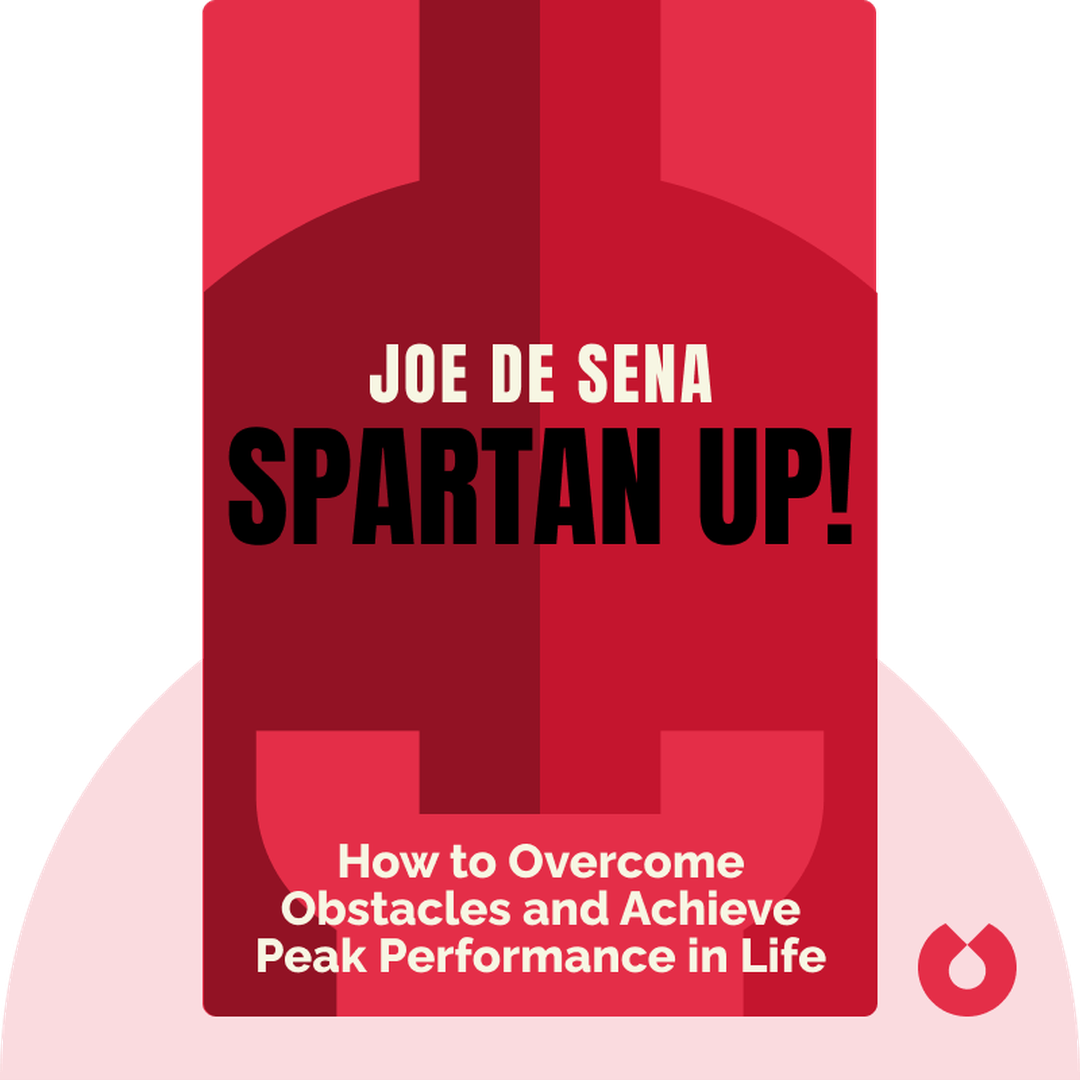
Listen to Spartan Up! — Free Audiobook
Loading player...
Key Takeaways from Spartan Up!
- Discover how stepping out of your comfort zone and embracing delayed gratification builds the extreme endurance needed to thrive in life.
- Understand the importance of committing to plans in advance and keeping a success-and-failure journal to foster the Spartan value of absolute honesty.
- Learn why ditching processed, sugar-filled foods for a simple diet of raw fruits and vegetables can directly strengthen your willpower and mental clarity.
- Find out how fighting society's push toward passivity through regular exercise releases stress-reducing chemicals in your brain to keep you mentally fit.
- Master the art of achieving extraordinary things through simple steps by learning to act immediately instead of overanalyzing your goals.
Learning Tools
Reinforce what you learned from Spartan Up!
Mind Map
Spartan Up!
Overcoming Comfort+
Discipline & Action+
Planning & Relationships+
Health & Vitality+
Safety & Stoicism+
Quiz — Test Your Understanding
Question 1 of 8
What is the primary reason the author believes modern people should embrace extreme challenges?
Question 2 of 8
How does Walter Mischel’s marshmallow experiment relate to the mindset of a modern Spartan?
Question 3 of 8
According to the author, what is a key benefit of committing to activities or challenges in advance?
Question 4 of 8
Why did the author's college professor ask students for the name of the university janitor on a written test?
Question 5 of 8
How does the author view the relationship between diet and mental strength?
Question 6 of 8
What approach does Joe de Sena recommend for tackling massive goals, such as running consecutive marathons without sleep?
Question 7 of 8
According to the Greek Stoic philosopher Epictetus, how is happiness defined?
Question 8 of 8
When pushing physical boundaries, what crucial distinction does the author say a modern Spartan must make to ensure safety?
Spartan Up! — Full Chapter Overview
- 1Recommendation
- 2Avoid comfort, challenge yourself and remain disciplined.
- 3Stay focused on your goals through advance planning.
- 4Society pushes us toward passivity and mediocrity with poor diets and minimal exercise.
- 5We can reach great achievements through small steps and repeated effort.
- 6Never neglect your safety or the safety of those around you.
Spartan Up! Summary & Overview
Spartan Up! (2014) is an in-depth guide to living life to its fullest by challenging yourself and being the best person you can be. The “Spartan” way of life draws inspiration from the Spartans of ancient Greece; implement their philosophies in a modern context to live a healthier and more fulfilling life.
Who Should Listen to Spartan Up!?
- Anyone interested in extreme sports
- Anyone looking to challenge themselves and try something new
- Anyone fed up with the boredom and mediocrity of modern life
Books Similar to Spartan Up!
Readers who enjoyed this also liked these titles.