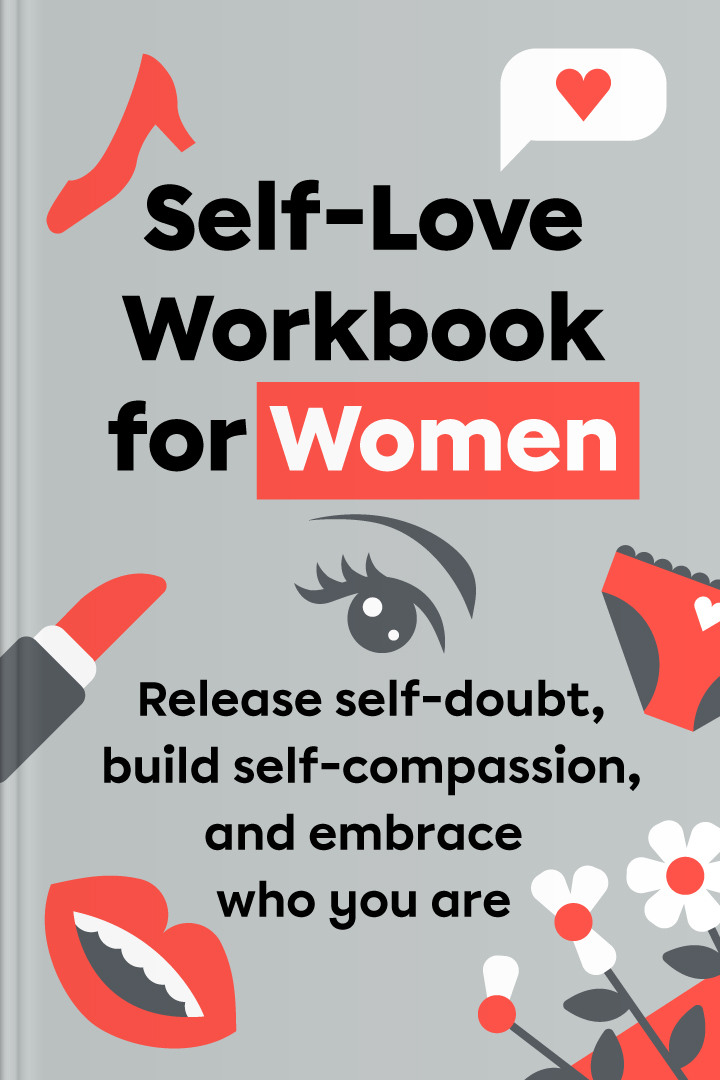
Self-Love Workbook for Women
If You're Curious About These Questions...
You should listen to this audiobook
- Have you ever wondered why it’s so much easier to show compassion to others than to yourself, and what simple shifts could finally silence your inner critic?
- What if you could stop feeling constantly depleted and learn how to set boundaries that actually protect your peace instead of creating guilt?
- Are you curious about the small, daily rituals that can bridge the gap between feeling 'not enough' and truly accepting your body, mind, and heart?
Listen to Self-Love Workbook for Women — Free Audiobook
Key Takeaways from Self-Love Workbook for Women
- Understand why self-love is not a luxury or a reward for perfection, but an essential practice of compassion that restores your strength, peace, and ability to prioritize what matters.
- Discover how the chronic stress of constantly prioritizing others over yourself can spill into physical and emotional exhaustion, and how self-love serves as an antidote.
- Learn to fuel your personal journey with grounded kindness rather than fear or shame, replacing an exhausting performance of perfection with authentic, sustainable growth.
- Recognize the quiet signs of depleted self-worth—such as constant comparison, compulsive habits, or choosing unavailable partners—and use them as gentle cues to offer yourself more care.
- Create a supportive physical and mental space for your daily self-love practice, embracing the fact that healing is not a race and giving yourself permission to pause when overwhelmed.
Learning Tools
Reinforce what you learned from Self-Love Workbook for Women
Mind Map
Quiz — Test Your Understanding
Self-Love Workbook for Women — Full Chapter Overview
- 1Recommendation
- 2Let Self-Love Be a Homecoming
- 3Find Your Why, Softly and Clearly
- 4Create a Gentle Runway for Change
- 5Small Steps Into Real Acceptance
- 6Speak to Yourself Like Someone You Love
- 7Make Room for Self-Worth
- 8Keep Going, Gently
Self-Love Workbook for Women Summary & Overview
This narration explores self-love as a daily relationship—one that can be rebuilt with kindness, honesty, and simple practices that fit real life. It begins by grounding self-love in compassion and boundaries, then guides listeners to clarify personal goals, prepare a supportive space, and take small, doable steps toward acceptance.
Along the way, it offers practical exercises for quiet reflection, working with an inner critic, and strengthening self-worth in the body, mind, and heart. The tone is warm and non-judgmental, encouraging listeners to move slowly, ask for support when needed, and return to these practices whenever life feels heavy.
Who Should Listen to Self-Love Workbook for Women?
- Women who care deeply for others but feel depleted, stressed, or disconnected from their own needs
- Anyone who struggles with self-criticism, perfectionism, comparison, or body-image pressure and wants gentler inner language
- Listeners looking for small, practical self-care habits—affirmations, journaling, breathing, and reflection—that can support healing alongside therapy
Books Similar to Self-Love Workbook for Women
Readers who enjoyed this also liked these titles.