If You're Curious About These Questions...
You should listen to this audiobook
- Have you ever wondered how a master manipulator can turn their greatest enemies into allies through the sheer power of words?
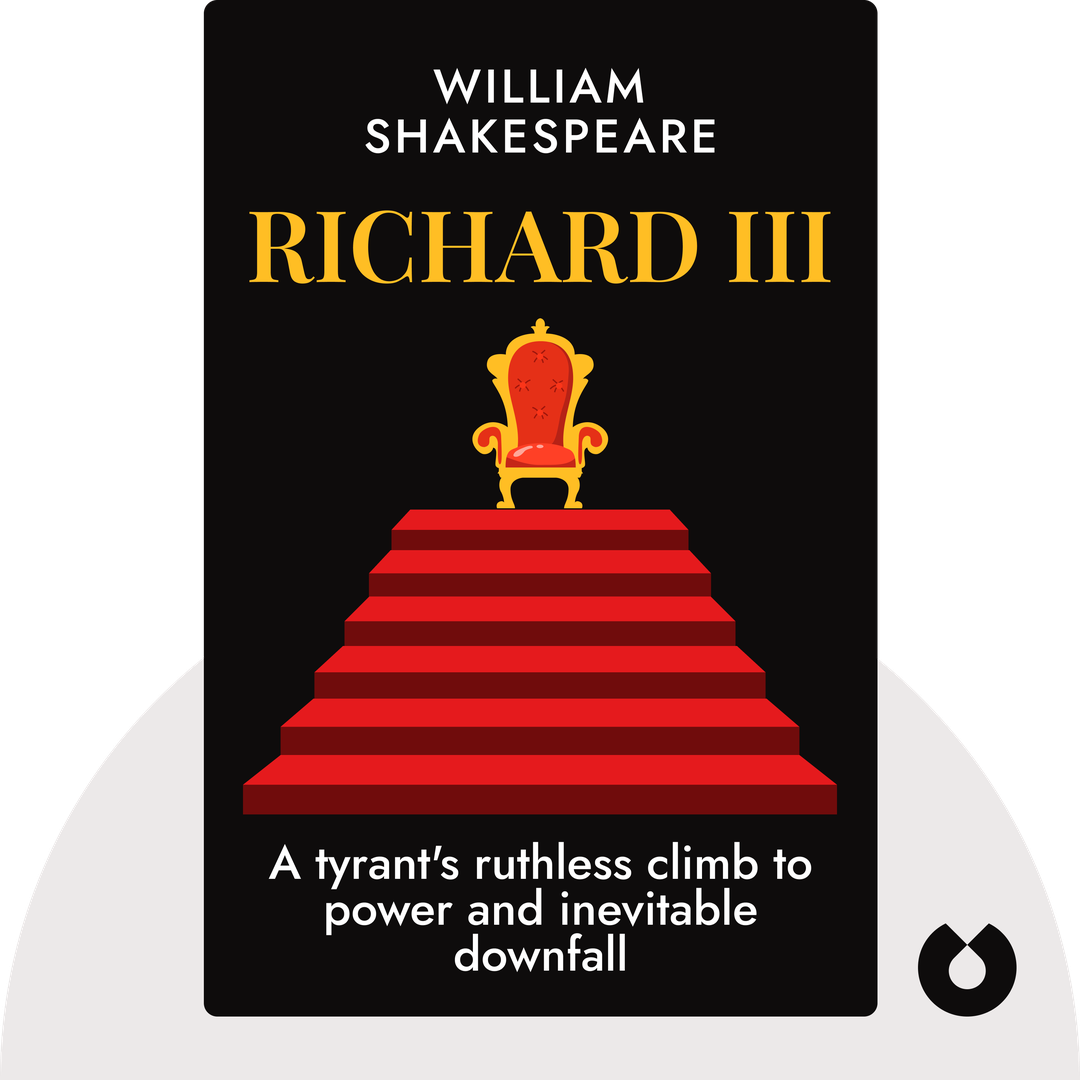
- What’s the secret to Richard III’s ruthless ascent to the throne, and why did his calculated path to power ultimately lead to his own undoing?
- Did you know that one of literature's most chilling villains was actually a real-life king whose quest for the crown changed the course of English history forever?
Listen to Richard III — Free Audiobook
Loading player...
Key Takeaways from Richard III
- Discover how unchecked tyranny and moral corruption ultimately contain the seeds of their own destruction, proving that evil's triumphs are often temporary.
- Understand the psychology of a demagogue by exploring how deep-seated personal insecurity and resentment can transform into monstrous political evil.
- Learn how manipulative leaders use calculated theatrics, false modesty, and political propaganda to manufacture legal justification for seizing absolute power.
- Explore the chilling effectiveness of exploiting emotions, as demonstrated by Richard's use of feigned sympathy and false devotion to disarm his greatest enemies.
- See how a regime built on fear inevitably fractures, leaving the tyrant isolated, consumed by paranoia, and vulnerable to a united, righteous rebellion.
Learning Tools
Reinforce what you learned from Richard III
Mind Map
Richard III
Rise to Power+
Downfall+
Psychology of a Tyrant+
Master of Spin+
Justice and Order+
Quiz — Test Your Understanding
Question 1 of 7
According to the text, what is the primary psychological foundation driving Richard's villainy and ambition?
Question 2 of 7
How do Richard and his ally Buckingham manufacture public consent for Richard's usurpation of the throne?
Question 3 of 7
What makes Richard's successful courtship of Lady Anne particularly audacious?
Question 4 of 7
As rebellion spreads and his paranoia deepens, how does Richard attempt to ensure the loyalty of Lord Stanley?
Question 5 of 7
What dual purpose do the ghosts of Richard's victims serve on the night before the Battle of Bosworth Field?
Question 6 of 7
According to the analysis of Richard as a 'Master of Spin,' why does he blame Queen Elizabeth and her family for the kingdom's troubles?
Question 7 of 7
What does Henry Tudor's (Richmond's) victory and subsequent marriage to Elizabeth of York symbolize at the end of the play?
Richard III — Full Chapter Overview
- 1Recommendation
- 2The Villain’s First Move
- 3Blood Stains the Crown
- 4The Kingdom Rises Up
- 5The Tyrant’s Death
- 6Analysis: How a Monster Is Made
- 7Analysis: A Master of Spin
- 8Analysis: Justice Restored
- 9Final summary
Richard III Summary & Overview
Richard III (1593) follows the ruthless Duke of Gloucester as he manipulates, murders, and schemes his way to the English throne. Through deception and violence, Richard eliminates rivals including his own brothers and the young princes, but his tyranny ultimately sparks rebellion. The play culminates in Richard's defeat and death at the Battle of Bosworth Field, where Henry Tudor claims victory and establishes the Tudor dynasty.
Who Should Listen to Richard III?
- Students of political manipulation
- Theater and literature enthusiasts
- History buffs interested in power
Books Similar to Richard III
Readers who enjoyed this also liked these titles.