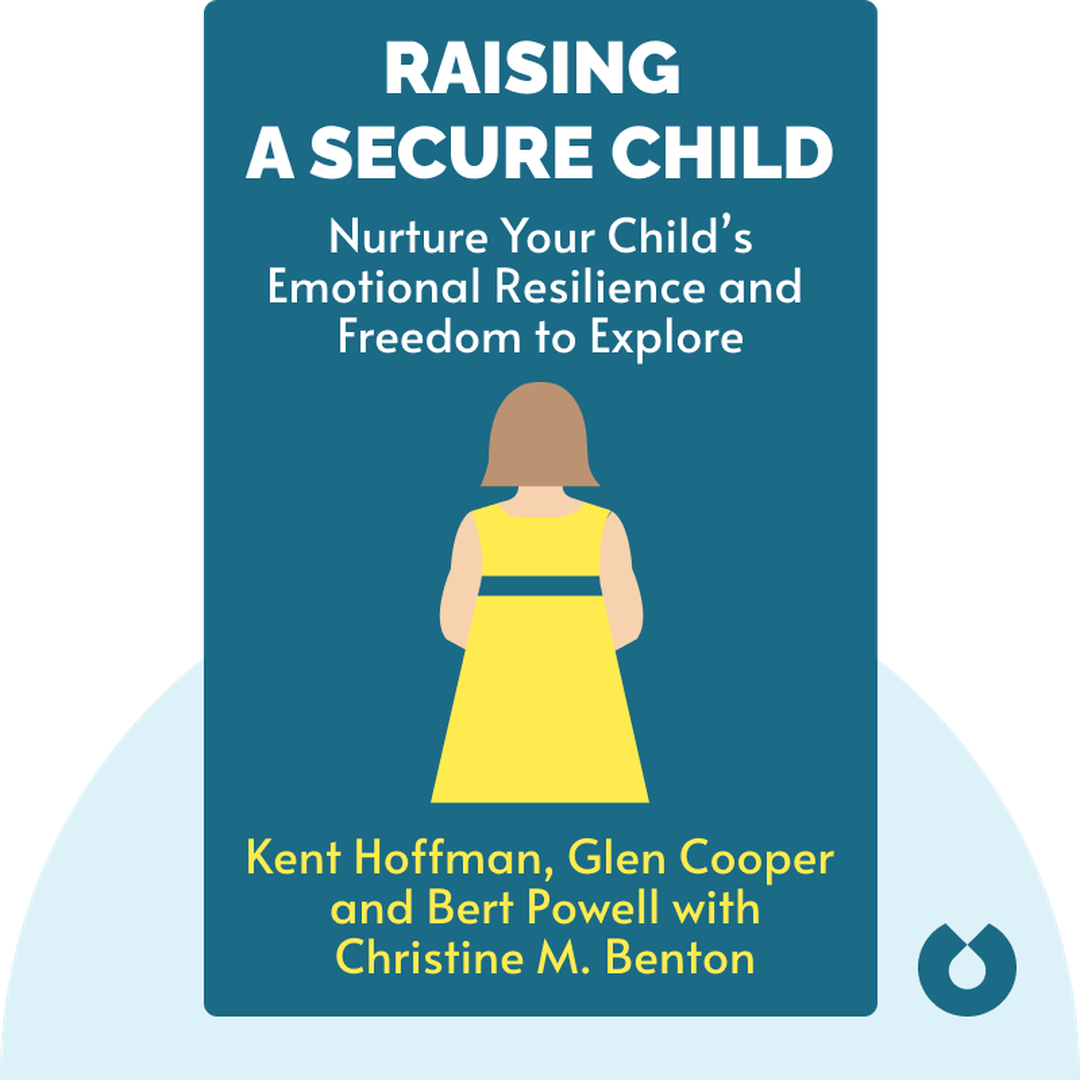
Raising a Secure Child
Start ListeningDownload Try free on iPhoneScan to start in 5 seconds
Categories:
If You're Curious About These Questions...
You should listen to this audiobook
- Did you know that striving for parenting perfection might actually be getting in the way of your child’s emotional security?
- Have you ever wondered how your own childhood history could be unconsciously shaping your child's personality?
- What's the secret to building a rock-solid bond with your child that lasts a lifetime, even when you make mistakes?
Listen to Raising a Secure Child — Free Audiobook
Loading player...
Key Takeaways from Raising a Secure Child
- Understand why forming a secure emotional attachment with your child is biologically essential and protects them from stress-induced health issues like lowered immunity.
- Discover the 'Circle of Security' framework to successfully balance your child’s constant cycle between the need for independent exploration and the need for comforting reassurance.
- Learn how to ease your child's separation anxiety during milestones like the first day of preschool by acting as a reliable 'secure base' until they are ready to explore independently.
- Master the four essential ways to support your child while they explore: watch over them, delight in their inherent value rather than just their achievements, enjoy activities together without taking over, and offer balanced help.
- Find out how to become a 'safe haven' for your child when they return to you by providing consistent protection, timely comfort, and balanced empathy.
Learning Tools
Reinforce what you learned from Raising a Secure Child
Mind Map
Raising a Secure Child
Importance of Secure Attachment+
The Circle of Security Framework+
Handling Mistakes (Ruptures)+
Overcoming Inherited Blind Spots+
Quiz — Test Your Understanding
Question 1 of 8
According to the research by John Bowlby and Harry Harlow discussed in the text, what do infants prioritize most for their overall well-being?
Question 2 of 8
How can a lack of secure attachment physically affect a child's health?
Question 3 of 8
In the 'Circle of Security' framework, what role does a caregiver play when a child is returning to them after exploring?
Question 4 of 8
When a child is actively exploring their environment (at the top of the circle), which of the following is one of their primary needs from a caregiver?
Question 5 of 8
When a child returns to their caregiver feeling scared, what is the best way to help them 'organize their feelings'?
Question 6 of 8
What do the authors suggest a parent should do when they make a mistake and 'rupture the circle'?
Question 7 of 8
If a caregiver is uncomfortable with a child's negative emotions and only provides affection when the child smiles, what is the likely outcome?
Question 8 of 8
How do the authors recommend caregivers start fixing their own imbalances regarding closeness or independence?
Raising a Secure Child — Full Chapter Overview
- 1Recommendation
- 2A secure attachment to a primary caregiver is essential for a healthy childhood and adulthood.
- 3Children experience a regular cycle of needs and varying degrees of security.
- 4When your child is exploring, there are needs you must meet to help them feel secure.
- 5Mistakes need not be harmful – they can strengthen your child and your relationship.
- 6Discomfort with certain emotions is often passed down from parent to child.
- 7Awareness of our shortcomings can help us raise well-balanced children.
Raising a Secure Child Summary & Overview
Raising a Secure Child (2017) is a guide for new or expecting parents wanting to make sure they meet the many needs of their child. Hoffman et al. are experts in helping caregivers form healthy bonds with their kids while reminding parents not to get hung up on being perfect. The authors also show how parents can better understand their own insecurities and make sure they don’t pass them on to their children.
Who Should Listen to Raising a Secure Child?
- Current or expecting parents
- Nannies and childcare professionals
- Students of social work and child psychology
Books Similar to Raising a Secure Child
Readers who enjoyed this also liked these titles.