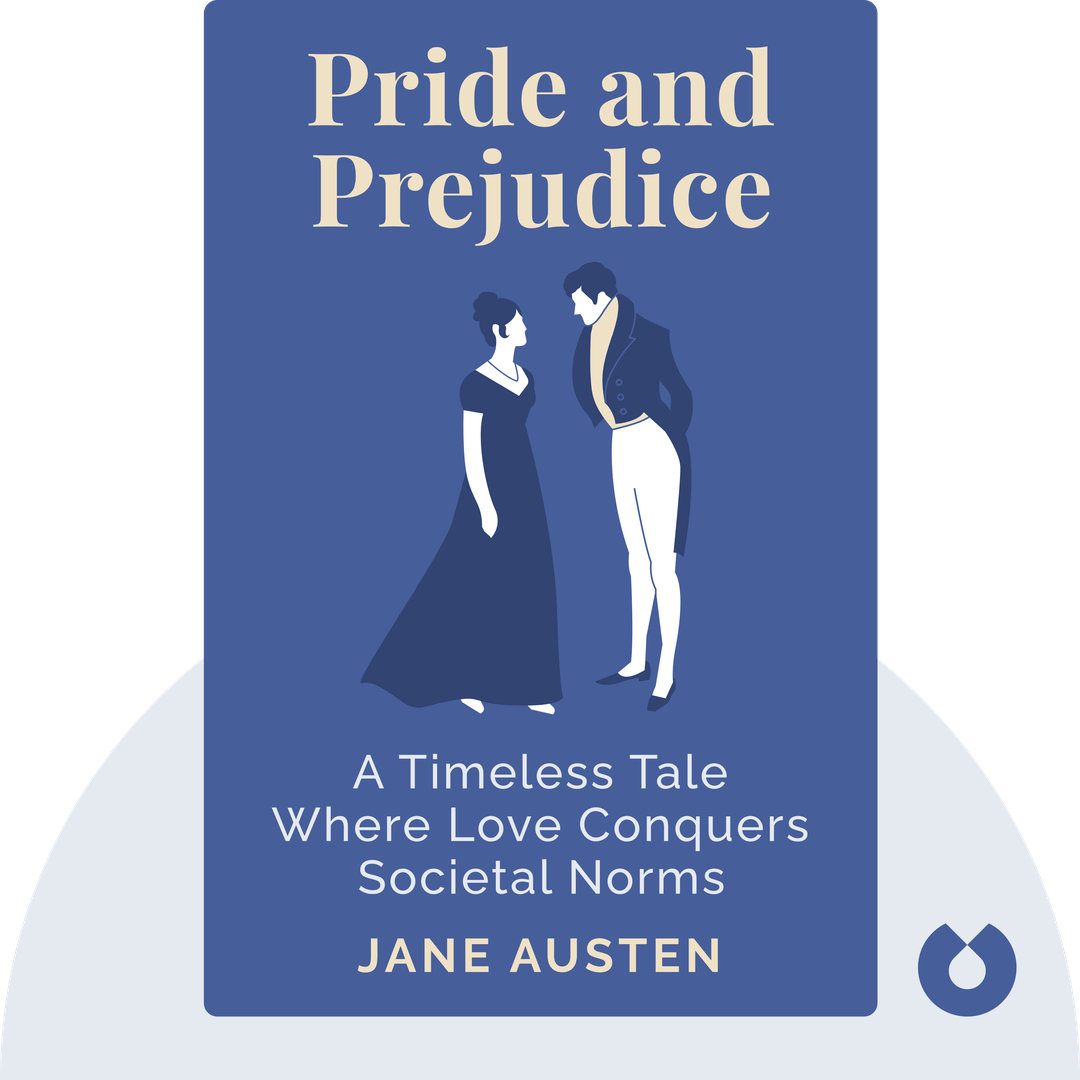
If You're Curious About These Questions...
You should listen to this audiobook
- Have you ever wondered how a disastrous first impression can transform into the most celebrated romance in literary history?
- Are you curious about the secret social rules and high stakes that dictated life and love for women in Regency-era England?
- What if the very person you find most insufferable actually holds the key to your lifelong happiness?
Listen to Pride and Prejudice — Cinematic Audio Edition
Loading player...
Key Takeaways from Pride and Prejudice
- Discover how Jane Austen’s iconic opening line masterfully uses satire to expose the high-stakes, financial reality of marriage for women in early nineteenth-century England.
- Understand the restrictive legal concept of entailment, and discover why the inability to inherit family property created intense survival pressure for women like the Bennet sisters.
- Explore the origins of the timeless enemies-to-lovers trope by examining how Mr. Darcy’s arrogant pride and Elizabeth Bennet’s hasty prejudice fueled their turbulent courtship.
- Learn the historical significance of the 'marriage plot' and realize why securing a husband was a serious quest for financial stability and social validity rather than just a romantic happily-ever-after.
- Uncover the fascinating irony of Jane Austen's personal life, learning how she masterfully wrote about the necessity of marriage while defying convention to remain single and support herself through her writing.
Learning Tools
Reinforce what you learned from Pride and Prejudice
Mind Map
Pride and Prejudice
Context & Society+
Character Dynamics+
Key Plot Points+
Literary Legacy+
Quiz — Test Your Understanding
Question 1 of 7
According to the text, what is the underlying purpose of the novel's famous opening line about single men in possession of a good fortune?
Question 2 of 7
Why is Mrs. Bennet so urgent in her desire to see her daughters married, specifically regarding the legal concept of entailment?
Question 3 of 7
What specific event initially cements Elizabeth Bennet's prejudice against Mr. Darcy?
Question 4 of 7
Why is Lydia's elopement with George Wickham considered a catastrophe for the entire Bennet family?
Question 5 of 7
What does Charlotte Lucas's marriage to Mr. Collins illustrate about Regency-era society, according to the text's analysis?
Question 6 of 7
How does Mr. Darcy ultimately help salvage the Bennet family's reputation after Lydia's elopement?
Question 7 of 7
How did Jane Austen's own life contrast with the typical 'marriage plot' conventions of her novels?
Pride and Prejudice — Full Chapter Overview
- 1Recommendation
- 2Prejudice, meet Pride
- 3From love to rejection
- 4A second glance at love
Pride and Prejudice Summary & Overview
Pride and Prejudice (1813) is the classic story of Elizabeth Bennet and Fitzwilliam Darcy, a couple who must overcome all manner of social and financial obstacles – including their own initial dislike of each other – to find lasting love.
Who Should Listen to Pride and Prejudice?
- True romantics seeking an all-time classic love story
- History buffs curious about class life in Regency-era England
- Lovers of classic literature and period dramas
Books Similar to Pride and Prejudice
Readers who enjoyed this also liked these titles.