If You're Curious About These Questions...
You should listen to this audiobook
- What if the secret to being the most influential person in the room wasn't having all the answers, but knowing the one 'power question' that changes everything?
- Have you ever wondered how a single, well-timed question can instantly rescue a conversation that’s spiraling out of control or hitting a dead end?
- Did you know that there’s a specific Socratic approach to communication that can build deeper rapport in minutes than most people achieve in years of networking?
Listen to Power Questions — Free Audiobook
Key Takeaways from Power Questions
- Discover why asking thoughtful questions and listening carefully leaves a more lasting, positive impression than delivering a perfectly polished speech.
- Learn how to navigate high-pressure situations, like job interviews, by gently turning difficult prompts into clarifying questions to avoid rambling and provide focused answers.
- Understand the profound impact of simply asking 'What do you think?' to signal respect, build trust, and encourage richer, more collaborative conversations.
- Master the art of active listening by paying attention to tone, pace, and body language to make others feel safe, deeply understood, and willing to open up.
- Find out how practicing just one new question at a time can completely shift the tone of your relationships, reduce misunderstandings, and make people feel genuinely valued.
Learning Tools
Reinforce what you learned from Power Questions
Mind Map
Quiz — Test Your Understanding
Power Questions — Full Chapter Overview
- 1Recommendation
- 2Curiosity That Quietly Impresses
- 3Turning Tough Moments Into Clearer Conversations
- 4The Simple Question That Helps People Feel Seen
- 5Listening With the Whole Self
- 6A Softer Path Than Assumptions
- 7The Question That Unlocks Someone’s Story
- 8A Graceful Reset When Things Go Sideways
- 9Learning Through Other People’s Experience
- 10Shifting the Spotlight to Build Trust
- 11Inviting Honest Feedback With Courage and Care
- 12A Life Shaped by Better Questions
Power Questions Summary & Overview
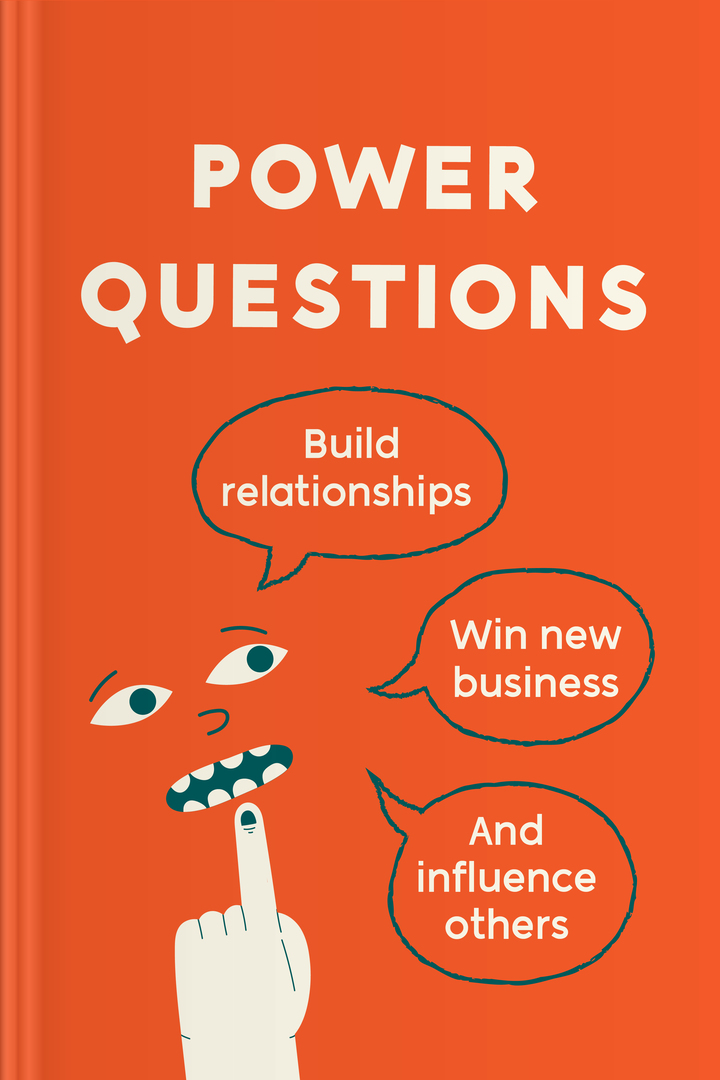
Power Questions is built on a simple idea: it can be more valuable to ask one thoughtful question and truly listen than to give a long explanation meant to impress. When people feel invited, heard, and understood, conversations become clearer—and relationships tend to strengthen naturally.
Through gentle, practical examples, the book highlights questions that help you learn from others, streamline tense moments like interviews, repair conversations that are going off track, and request honest feedback with courage and care. Along the way, it emphasizes active listening and a Socratic approach—curiosity over assumptions—so communication becomes both more effective and more human.
Who Should Listen to Power Questions?
- Professionals who want to build stronger rapport in interviews, networking, client conversations, and leadership moments—without feeling pushy or performative.
- Anyone who wants calmer, more connected conversations at home and at work, especially when misunderstandings or strong emotions show up.
- Curious learners who enjoy asking better questions, listening more deeply, and growing through feedback and reflection.
Books Similar to Power Questions
Readers who enjoyed this also liked these titles.