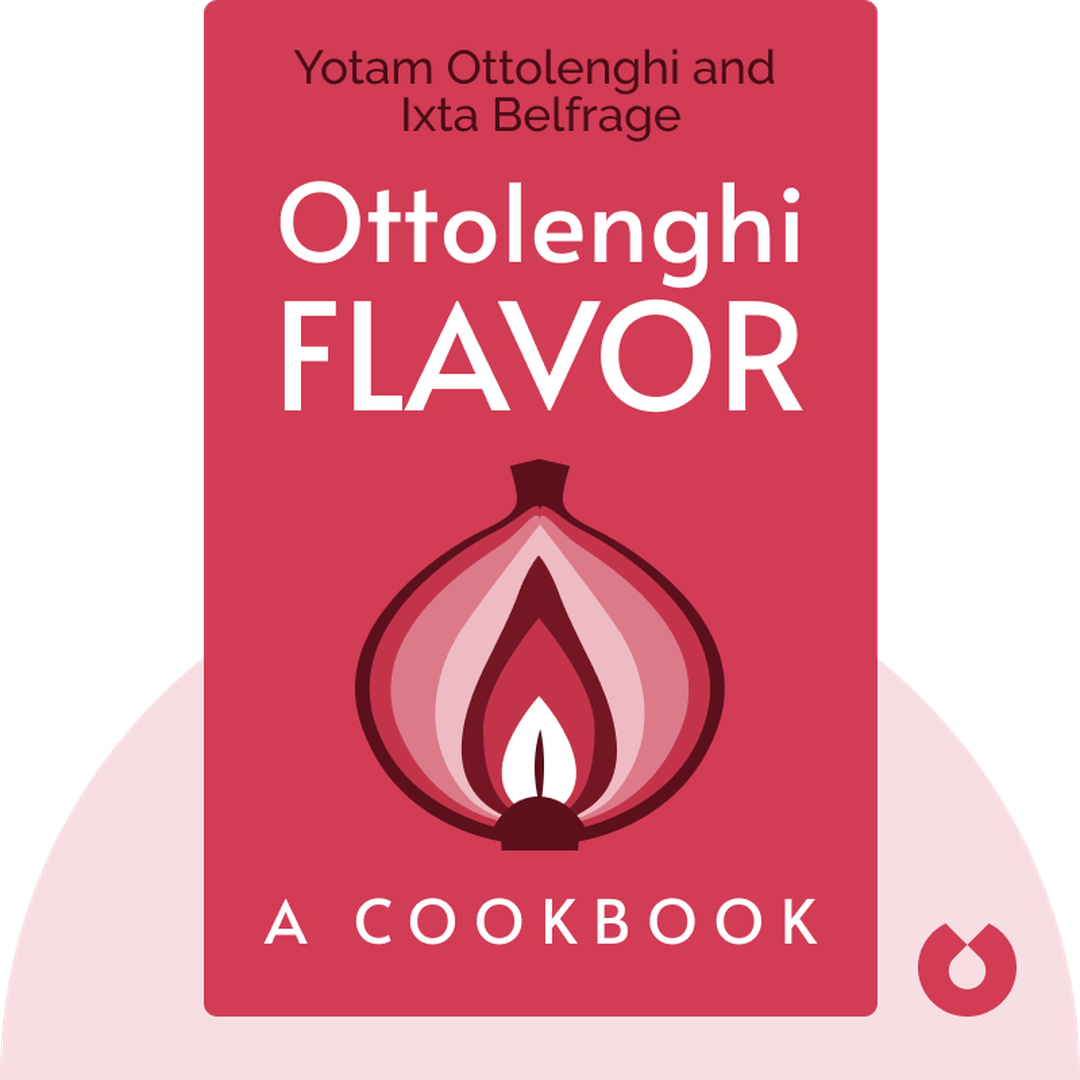
If You're Curious About These Questions...
You should listen to this audiobook
- Have you ever wondered why certain cooking techniques can make a simple vegetable taste even more intense and savory than meat?
- What if you could unlock the 'three pillars' of flavor to ensure every plant-based meal you create is a culinary masterpiece?
- Are you curious about which specific ingredient pairings have the power to instantly rescue any dish from a flavor rut?
Listen to Ottolenghi Flavor — Free Audiobook
Loading player...
Key Takeaways from Ottolenghi Flavor
- Understand how to build a dynamic toolkit for plant-based cooking by perfectly balancing acid, fat, sweetness, and chili without relying on artificial flavor packets.
- Discover how charring vegetables over intense heat unlocks rich, smoky flavors that can elevate simple salads and add depth to everyday sauces.
- Learn why browning root vegetables like celeriac and rutabaga intensifies their natural starchy sweetness and creates delicious, savory caramelization.
- Master the affordable technique of infusing liquids, such as olive oil and broths, with herbs, garlic, and spices to add bold complexity to your meals.
- Find out how to transform intimidating or bland ingredients into decadent centerpieces, from roasting whole celeriac to crafting rutabaga 'steaks' with Indian curry crusts.
Learning Tools
Reinforce what you learned from Ottolenghi Flavor
Mind Map
Ottolenghi Flavor
Cooking Techniques+
Flavor Balancing+
Produce Quality+
Practical Advice+
Quiz — Test Your Understanding
Question 1 of 8
What is the primary difference between charring and browning vegetables, according to the text?
Question 2 of 8
How does the text describe the cooking method of 'infusion'?
Question 3 of 8
Why does the text refer to aged ingredients like miso, parmesan, and soy sauce as 'flavor bombs'?
Question 4 of 8
According to the text, what is the most effective way to make sweetness shine in a dish?
Question 5 of 8
Why is yogurt highlighted as a unique source of fat in the text?
Question 6 of 8
What dual purpose do chilies serve in the kitchen, as described in the text?
Question 7 of 8
What makes mushrooms particularly flavorful even before they are cooked?
Question 8 of 8
What actionable advice does the text offer for a host who is short on time and has hungry guests waiting?
Ottolenghi Flavor — Full Chapter Overview
- 1Recommendation
- 2Charred vegetables develop deep, smoky flavors.
- 3Browning vegetables amplifies their natural flavors.
- 4Infusing herbs and garlic into liquids yields bold flavors.
- 5Aged ingredients pack flavor bombs, so a little goes a long way.
- 6Sweetness must be balanced by contrasting flavors.
- 7Fat is an essential element in flavor, yet it must be balanced properly by acidity.
- 8Acidity and chili heat deliver a big impact in cooking.
- 9Vegetables are naturally flavorful, especially when grown organically.
Ottolenghi Flavor Summary & Overview
Ottolenghi Flavor (2020) shows home cooks how to create big flavors. It offers guidance about which cooking methods get the best results in a plant-based kitchen; gives advice for pairing different ingredients and selecting the best produce; and provides inspiration for creating exciting and flavorful meals.
Who Should Listen to Ottolenghi Flavor?
- Home cooks who are stuck in a flavor rut
- Newly converted vegetable-lovers looking for a guide to plant-based meals
- Quarantine kitchen pros hosting fabulous dinner parties on Zoom
Books Similar to Ottolenghi Flavor
Readers who enjoyed this also liked these titles.