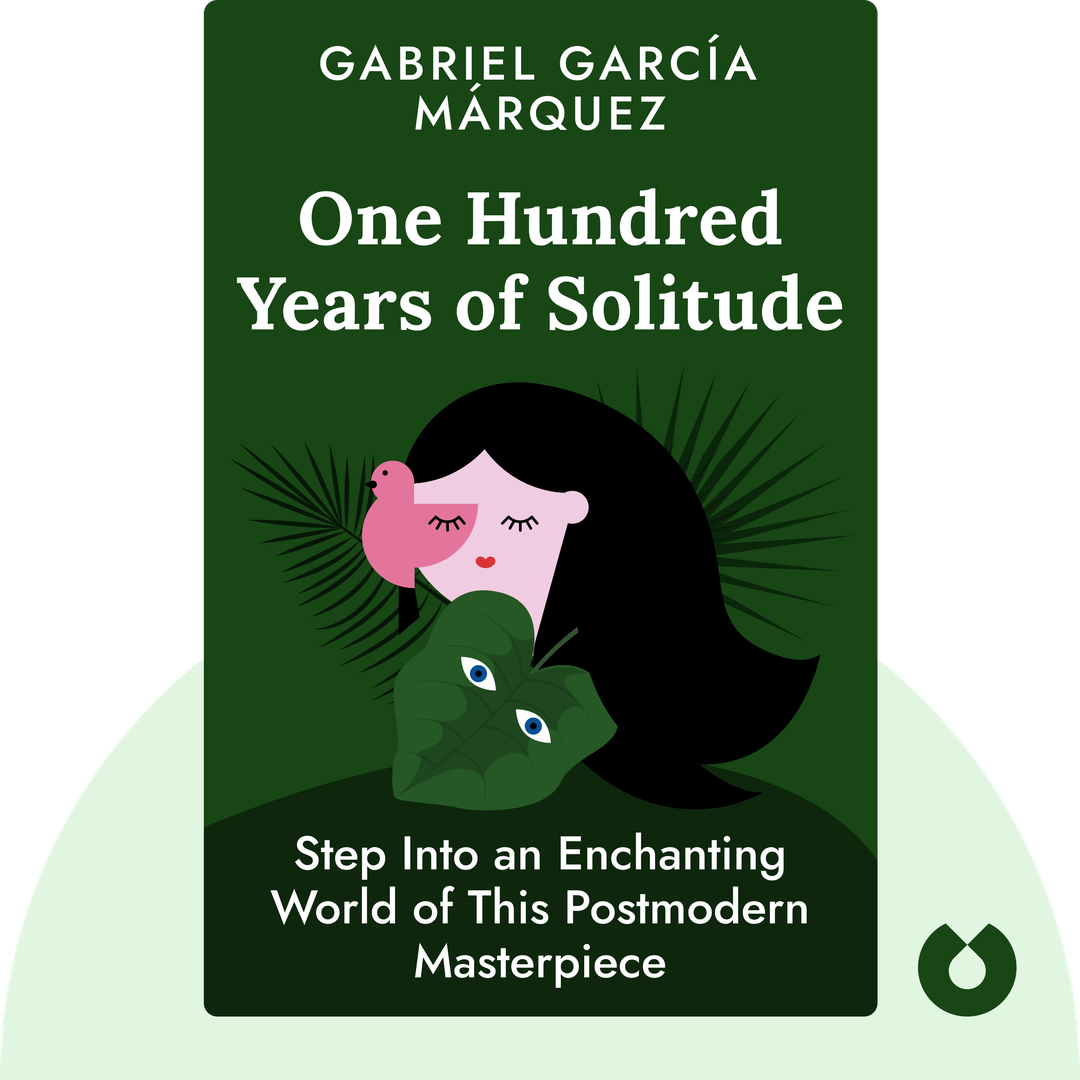
One Hundred Years of Solitude
Start ListeningDownload Try free on iPhoneScan to start in 5 seconds
Categories:
If You're Curious About These Questions...
You should listen to this audiobook
- How does the town's bizarre 'insomnia plague' and their desperate attempt to label everyday objects symbolize Macondo's broader struggle with collective memory?
- Why does the arrival of the railway and a foreign banana plantation trigger a tragedy so devastating that it is quite literally washed from human memory by five years of rain?
- What terrifying truth does the last surviving Buendía discover in Melquíades's ancient parchments just as an apocalyptic wind begins to tear Macondo apart?
Listen to One Hundred Years of Solitude — Free Audiobook
Loading player...
Key Takeaways from One Hundred Years of Solitude
- The narrative utilizes magical realism to blur the lines between the mundane and the extraordinary, emphasizing that subjective memory and official history carry equal weight in shaping reality.
- The Buendía family is trapped in an inescapable cycle of repeating past mistakes, mirroring the repetitive rise and fall of human civilizations.
- Despite their expanding lineage and the rapid modernization of their town, the characters are plagued by a profound, existential solitude that ultimately drives their downfall.
- The sudden influx of industrial progress and foreign capitalism, represented by the banana plantation, brings exploitation and violence that permanently shatters Macondo's idyllic innocence.
- The family's insular nature and long-feared incestuous desires eventually manifest in a cursed child, fulfilling ancient prophecies that foretell the town's apocalyptic erasure.
Learning Tools
Reinforce what you learned from One Hundred Years of Solitude
Mind Map
One Hundred Years of Solitude
Themes & Literary Style+
Foundation & Early Macondo+
War & Politics+
Modernity & Imperialism+
Decline & Tragedy+
Endings & Revelations+
Quiz — Test Your Understanding
Question 1 of 8
What literary style is 'One Hundred Years of Solitude' famous for, and what is its primary function in the novel?
Question 2 of 8
How do the inhabitants of Macondo attempt to combat the effects of the insomnia plague that strikes the town?
Question 3 of 8
After becoming emotionally and mentally scarred by the civil wars, how does Colonel Aureliano Buendía spend his time in isolation?
Question 4 of 8
What event symbolizes the jarring clash between Macondo's idyllic simplicity and the realities of modern industrial progress?
Question 5 of 8
Following the massacre of the striking banana plantation workers, how is the evidence of the atrocity erased?
Question 6 of 8
Throughout the novel, what does the recurring pattern of events and character traits among the Buendía generations primarily illustrate?
Question 7 of 8
What physical manifestation ultimately fulfills family matriarch Úrsula’s long-held fears about incest?
Question 8 of 8
What does Aureliano II discover when he finally deciphers Melquíades's ancient parchments?
One Hundred Years of Solitude — Full Chapter Overview
- 1Recommendation
- 2Foundation and isolation
- 3Civil war and political upheaval
- 4The arrival of modernity
- 5Decline and isolation explored again
- 6Conclusions and revelations
One Hundred Years of Solitude Summary & Overview
One Hundred Years of Solitude (1967) tells the multigenerational story of the Buendía family, founders of the fictional town of Macondo. Mixing magical realism with historical events, it follows the family members and inhabitants of Macondo over a century through cycles of happiness and tragedy, as well as periods of solitude.
Who Should Listen to One Hundred Years of Solitude?
- Lovers of the magical realism genre
- Anyone interested in Latin American literature and culture
- Fans of epic family sagas
Books Similar to One Hundred Years of Solitude
Readers who enjoyed this also liked these titles.