Theme Song
Listen to Mindset Matters — Free Audiobook
Loading player...
Key Takeaways from Mindset Matters
- Discover how to thrive in an unpredictable work environment by adopting an agile mindset that embraces continuous change.
- Learn to build unwavering resilience against market shifts using a powerful toolkit of confidence, adaptability, and mastery.
- Understand how to increase your cognitive flexibility so you can elegantly pivot between ideas and seize unexpected opportunities.
- Master the ABCDE model to transform professional failures and setbacks into crucial stepping stones for your career success.
- Find out how to cultivate a growth mindset and avoid the 'talent trap' by focusing on the effort you invest in expanding your abilities.
Learning Tools
Reinforce what you learned from Mindset Matters
Mind Map
Mindset Matters
Adopt an Agile Mindset+
Become More Resilient+
Increase Mental Flexibility+
Believe You Can Grow+
Leverage Emotions for Endurance+
Unleash the Power of Connection+
Quiz — Test Your Understanding
Question 1 of 10
How does the book define the core function of 'mental agility' in today's dynamic professional arena?
Question 2 of 10
What three essential tools does the book state you need in your toolkit to become more resilient?
Question 3 of 10
How did Lego use 'mastery' to achieve a major comeback after facing massive debt in 2003?
Question 4 of 10
What counterintuitive approach is recommended as the 'second, more radical step' for maintaining cognitive flexibility?
Question 5 of 10
In the ABCDE model used to increase cognitive flexibility, what does the 'A' represent?
Question 6 of 10
How does Amazon founder Jeff Bezos suggest individuals avoid the 'talent trap'?
Question 7 of 10
What cultural shift did Microsoft's CEO Satya Nadella implement to transform the company into a hub of innovation?
Question 8 of 10
How does the book differentiate emotional intelligence from a traditional IQ?
Question 9 of 10
Which component of emotional intelligence acts as a countermeasure to impulsive choices by allowing you to pause, reflect, and respond mindfully?
Question 10 of 10
According to the 2019 Great Place to Work study, what is the primary outcome of workplaces that embrace cooperative camaraderie?
Mindset Matters — Full Chapter Overview
- 1Recommendation
- 2Build greater resilience
- 3Boost your mental flexibility
- 4Believe in your ability to grow
- 5Use your emotions to fuel endurance
- 6Unlock the power of connection
- 7Final summary
Mindset Matters Summary & Overview
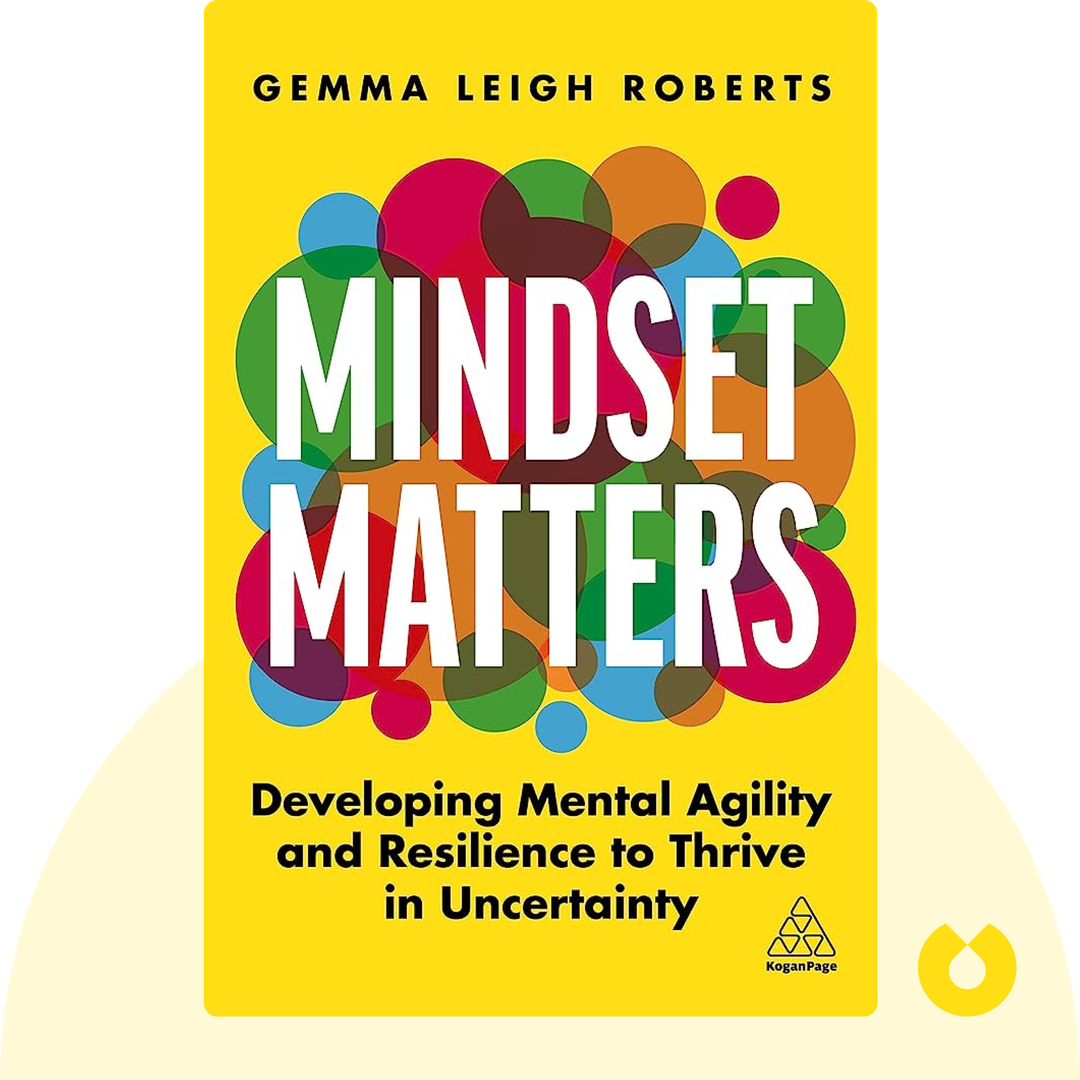
Mindset Matters (2022) is your handbook to thriving in uncertainty. It contains actionable insights to help you cultivate mental agility for success in any dynamic work setting.
Who Should Listen to Mindset Matters?
- Professionals seeking new opportunities
- Business disruptors
- Career enthusiasts looking to get a step ahead
Books Similar to Mindset Matters
Readers who enjoyed this also liked these titles.