If You're Curious About These Questions...
You should listen to this audiobook
- What's the secret to building a society from scratch, and how does it reveal the darker aspects of human nature?
- Are you curious about what drives people to abandon civility and succumb to savagery when rules are absent?
- Can a group of young boys, left to their own devices, create a utopia or a dystopia, and what does it say about our own capacity for leadership and cooperation?
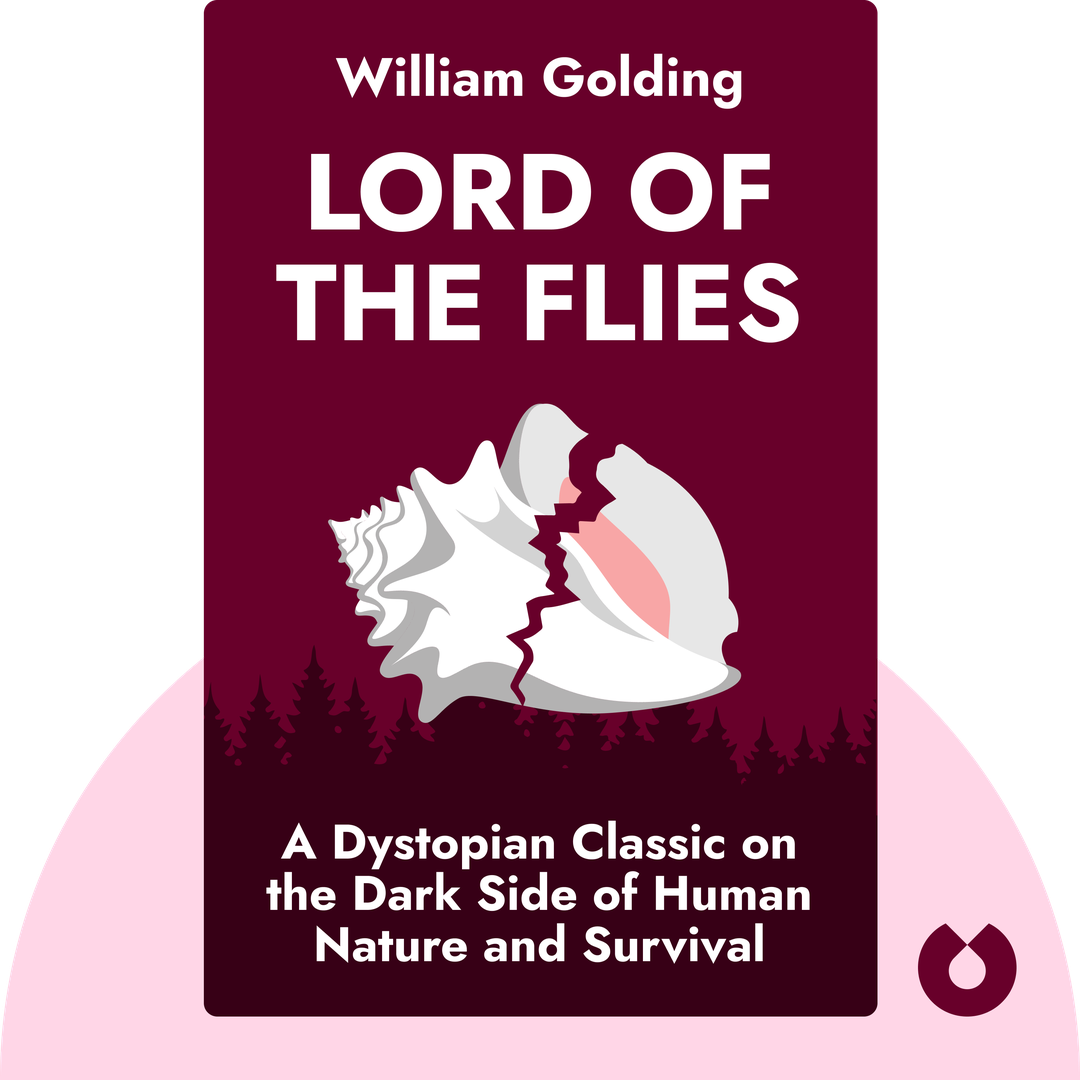
Listen to Lord of the Flies — Cinematic Audio Edition
Loading player...
Key Takeaways from Lord of the Flies
- Discover how the intense power struggle between Ralph and Jack illustrates the fragile balance between civilized democratic order and innate human savagery.
- Understand the vital role of societal structures, symbolized by the conch shell, in preventing our primal and destructive instincts from taking over.
- Learn why the terrifying 'beast' the boys fear is actually a profound allegory for the inherent darkness and moral decay lurking within human nature itself.
- Recognize how unchecked paranoia and mob mentality can quickly overpower the voice of reason, leading to tragic and irreversible consequences.
- Explore the tragic fate of Simon to comprehend the profound loss of innocence that occurs when pure, spiritual goodness is confronted by a descending, savage society.
Learning Tools
Reinforce what you learned from Lord of the Flies
Mind Map
Lord of the Flies
Allegorical Context+
Civilization vs. Savagery+
Simon & Loss of Innocence+
Dangers of Mob Mentality+
War & The Adult World+
Quiz — Test Your Understanding
Question 1 of 6
In the context of the boys' society, what does the conch shell primarily symbolize?
Question 2 of 6
Which fundamental struggle is primarily represented by the conflict between Ralph and Jack?
Question 3 of 6
What does Simon's character represent in the novel, and what does his eventual death suggest?
Question 4 of 6
During his hallucination, what profound truth does the 'Lord of the Flies' reveal to Simon?
Question 5 of 6
According to the text, how does the mob mentality of Jack's hunters evolve over time?
Question 6 of 6
What is the primary irony of the Naval officer's reaction to the boys' behavior at the end of the book?
Lord of the Flies — Full Chapter Overview
- 1Recommendation
- 2Ralph and Jack: Civilization versus savagery.
- 3Simon and the fading of innocence.
- 4The violent danger of mob mentality.
- 5War and the world of adults.
- 6Final Summary
Lord of the Flies Summary & Overview
Lord of the Flies (1954) is the allegorical story of a group of young boys stranded on a deserted island and left to fend for themselves and create a society. As the boys struggle with the complexities of leadership, cooperation, and survival, they are forced to face some fundamental questions about human nature and the fragility of civilization.
Who Should Listen to Lord of the Flies?
- Readers looking for fresh eyes on an old classic
- Literature lovers who somehow never got around to this important book
- Anyone looking for insight into the nature of society and the humans who build it
Books Similar to Lord of the Flies
Readers who enjoyed this also liked these titles.