Theme Song
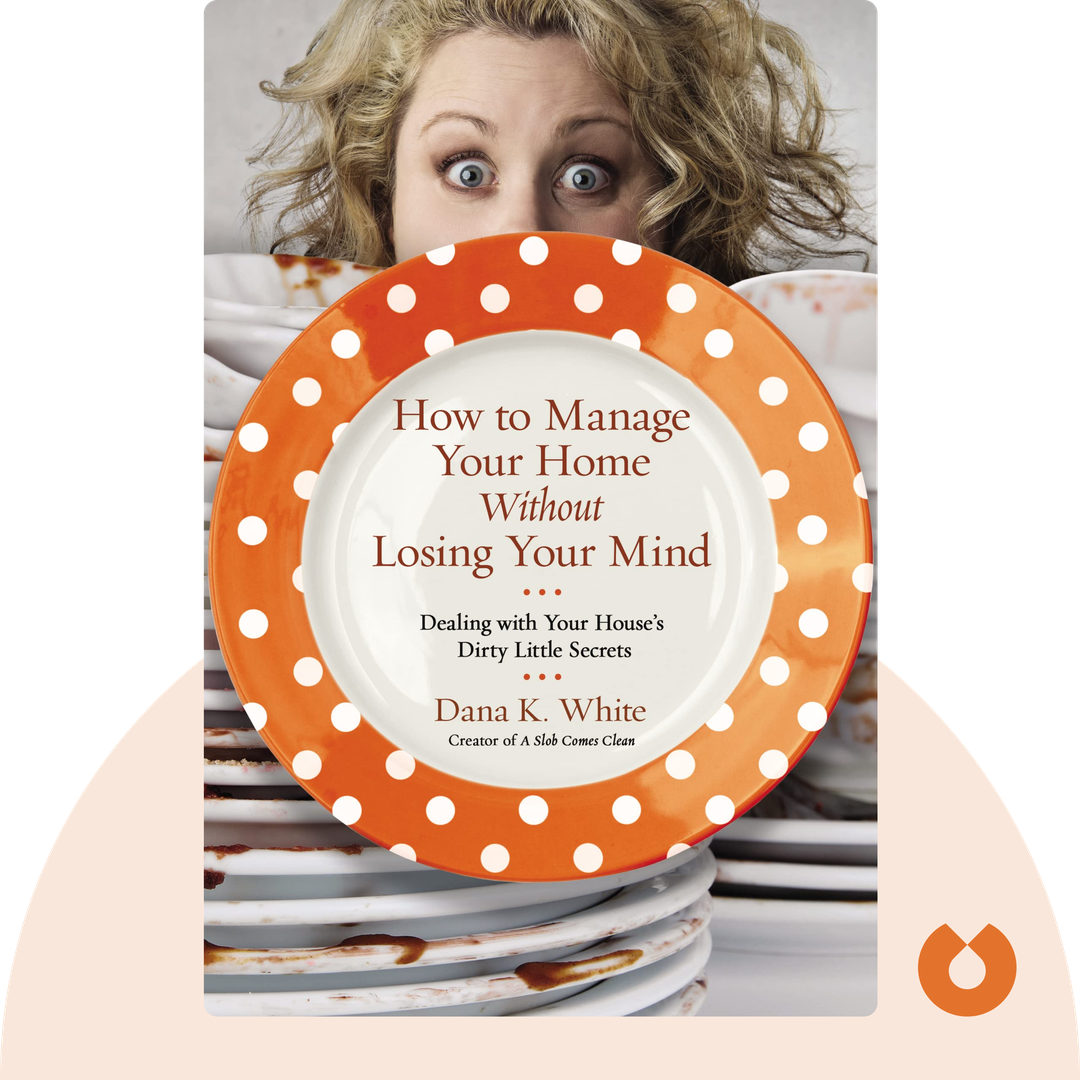
How to Manage Your Home Without Losing Your Mind
Start ListeningDownload Try free on iPhoneScan to start in 5 seconds
Categories:
If You're Curious About These Questions...
You should listen to this audiobook
- Did you know that one simple, daily habit—often overlooked—could be the key to stopping your household chaos from spiraling out of control?
- Are you curious about how to declutter your entire house without ever creating a bigger mess in the process?
- What if the secret to a manageable home isn't about working harder, but about understanding the "container concept" that naturally limits your clutter?
Listen to How to Manage Your Home Without Losing Your Mind — Cinematic Audio Edition
Loading player...
Key Takeaways from How to Manage Your Home Without Losing Your Mind
- Understand why waiting for the perfect organizational system is a trap, and embrace imperfect, immediate action to conquer everyday clutter.
- Discover how to cure 'slob vision' by establishing small, consistent daily habits—like washing the dishes—to prevent minor messes from turning into overwhelming disasters.
- Master the art of assigning specific cleaning tasks to designated days, reducing mental fatigue and keeping your home manageable without exhausting deep-clean sessions.
- Find out why doing small daily laundry loads often fails, and learn how dedicating a single day to washing, drying, folding, and putting clothes away can save your sanity.
- Learn how to eliminate dinnertime panic by creating basic weekly meal plans, stocking essential staples, and doubling recipes for easy freezer meals.
Learning Tools
Reinforce what you learned from How to Manage Your Home Without Losing Your Mind
Mind Map
How to Manage Your Home Without Losing Your Mind
Mindset Shifts+
Daily Habits+
Weekly Routines+
Meal Management+
Decluttering Principles+
Emotional Letting Go+
Sustaining Change+
Quiz — Test Your Understanding
Question 1 of 8
What does the author mean by the term 'slob vision'?
Question 2 of 8
According to the text, which simple daily task is recommended as a powerful starting point to set the tone for the rest of your home?
Question 3 of 8
Why does the author recommend having a dedicated 'laundry day' over doing one load every day?
Question 4 of 8
How do consistent daily routines, such as keeping counters clear and doing laundry, aid in the decluttering process?
Question 5 of 8
How does the author define a 'clutter threshold'?
Question 6 of 8
When trying to decide what to do with a specific item while decluttering, what practical question should you ask yourself?
Question 7 of 8
What is the 'head explosion rule' in the context of this book?
Question 8 of 8
What is the author's perspective on the regret you might feel after throwing an item away?
How to Manage Your Home Without Losing Your Mind — Full Chapter Overview
- 1Recommendation
- 2Perfect systems won’t clean; doing the dishes will
- 3Change your home, one dish at a time
- 4Calm the chaos with simple weekly cleaning habits
- 5Put dinner on the table without losing your cool
- 6Small victories make big clutter easier to handle
- 7Understand your clutter threshold and reclaim your space
- 8Simplify your space and reduce your stress
- 9Lasting change begins with your next small step
- 10Final summary
How to Manage Your Home Without Losing Your Mind Summary & Overview
How to Manage Your Home Without Losing Your Mind (2016) offers practical, reality-based strategies to take control of household chaos without relying on perfection. It will guide you through small, consistent habits that reduce clutter and make cleaning manageable, helping you to create a functional and peaceful home. With humor and honesty, it emphasizes actionable steps to transform overwhelming mess into order.
Who Should Listen to How to Manage Your Home Without Losing Your Mind?
- Busy parents balancing endless tasks and household chaos
- Overwhelmed individuals feeling paralyzed by clutter and perfectionism
- Time-strapped professionals seeking functional home routines
Books Similar to How to Manage Your Home Without Losing Your Mind
Readers who enjoyed this also liked these titles.