If You're Curious About These Questions...
You should listen to this audiobook
- Did you know that your current relationship with food was largely decided before you even learned to speak?
- Have you ever wondered why gender norms and well-meaning family habits might be the hidden culprits behind your most stubborn eating struggles?
- What if the secret to ending comfort eating isn't about willpower, but about re-learning how to taste?
Listen to First Bite — Free Audiobook
Loading player...
Key Takeaways from First Bite
- Discover why your food preferences and palate are learned through your childhood environment and experiences, rather than hardwired by your biology.
- Learn how children are inherently capable of making sensible, nutritious eating decisions on their own when allowed to choose foods without pressure.
- Understand why forcing kids to finish every bite at the dinner table only creates stress and establishes poor lifelong eating habits.
- Find out why attempts to reform unhealthy school lunches fail because they overlook the need to fundamentally teach children to view food as a source of nourishment.
- Recognize how well-intentioned grandparents who survived food shortages often overfeed their grandchildren, inadvertently contributing to modern childhood obesity.
Learning Tools
Reinforce what you learned from First Bite
Mind Map
First Bite
The Origins of Taste+
Childhood Eating Behaviors+
The 'Kid Food' Crisis+
Generational & Gender Biases+
Hunger vs. Appetite+
Driving Dietary Change+
Quiz — Test Your Understanding
Question 1 of 7
According to the book, what is the most significant factor in developing a person's palate?
Question 2 of 7
What did Dr. Clara Marie Davis's 1929 experiment reveal about children's eating behaviors?
Question 3 of 7
Why have prominent healthy eating initiatives for children, such as those by Jamie Oliver and Michelle Obama, largely struggled to achieve their goals?
Question 4 of 7
How does feeding a crying infant to keep them quiet potentially harm them in the long run?
Question 5 of 7
How do traditional gender norms regarding food negatively impact children's health?
Question 6 of 7
What is the primary difference between hunger and appetite as described in the text?
Question 7 of 7
How did Japan successfully reform its national diet starting in the nineteenth century?
First Bite — Full Chapter Overview
- 1Recommendation
- 2Think you were born disliking certain foods? Think again — your palate is shaped by experience.
- 3Avoid pressuring your children at the table. They can learn to feed themselves well.
- 4Food marketed to children today is unhealthy, and reform efforts have fallen short.
- 5Grandparents who lived through famine or food shortages often try to fatten up their grandchildren.
- 6Gender norms shape how parents feed children, laying the groundwork for future health issues.
- 7Learn to eat the right amount by telling appetite or boredom apart from true hunger.
- 8Dietary change is possible not only personally, but nationally — Japan is a prime example.
- 9Final summary
First Bite Summary & Overview
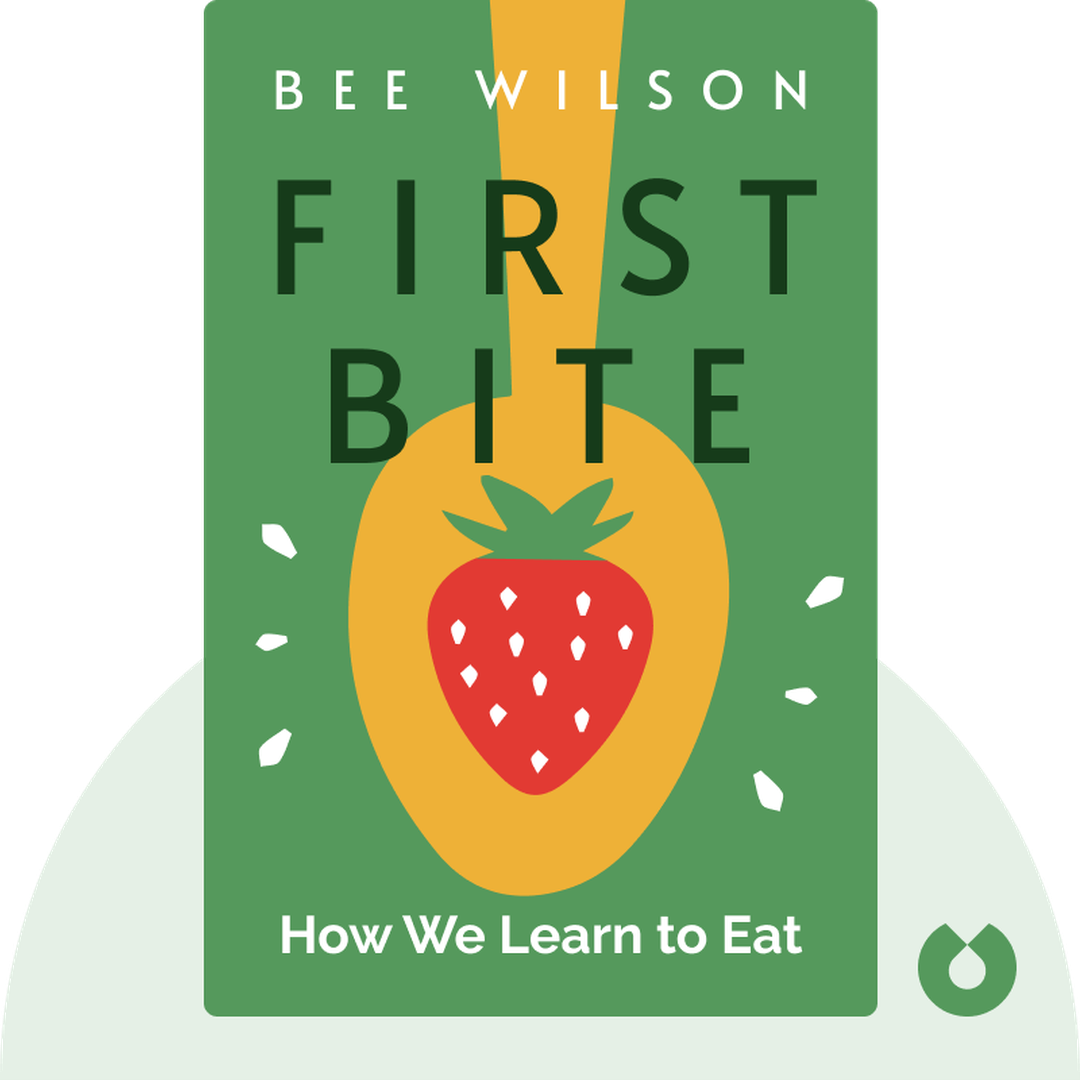
First Bite (2015) reveals the real root of eating problems: our very first childhood experiences with food. Backed by fascinating scientific studies, these blinks explain the perils of marketing food to children and the negative influence of gender norms and well-intentioned families. Finally, they direct us toward positive dietary change.
Who Should Listen to First Bite?
- Parents who want their children to eat healthily
- Individuals worried about binging or comfort eating
- Overweight people struggling to maintain a balanced diet
Books Similar to First Bite
Readers who enjoyed this also liked these titles.