If You're Curious About These Questions...
You should listen to this audiobook
- What’s the secret to building a truly courageous team that most traditional leaders are actually afraid to use?
- Have you ever wondered why being 'nice' at work might actually be the very thing holding your leadership back?
- What if the key to navigating a high-pressure workplace wasn't about being bulletproof, but about mastering one specific, counter-intuitive emotion?
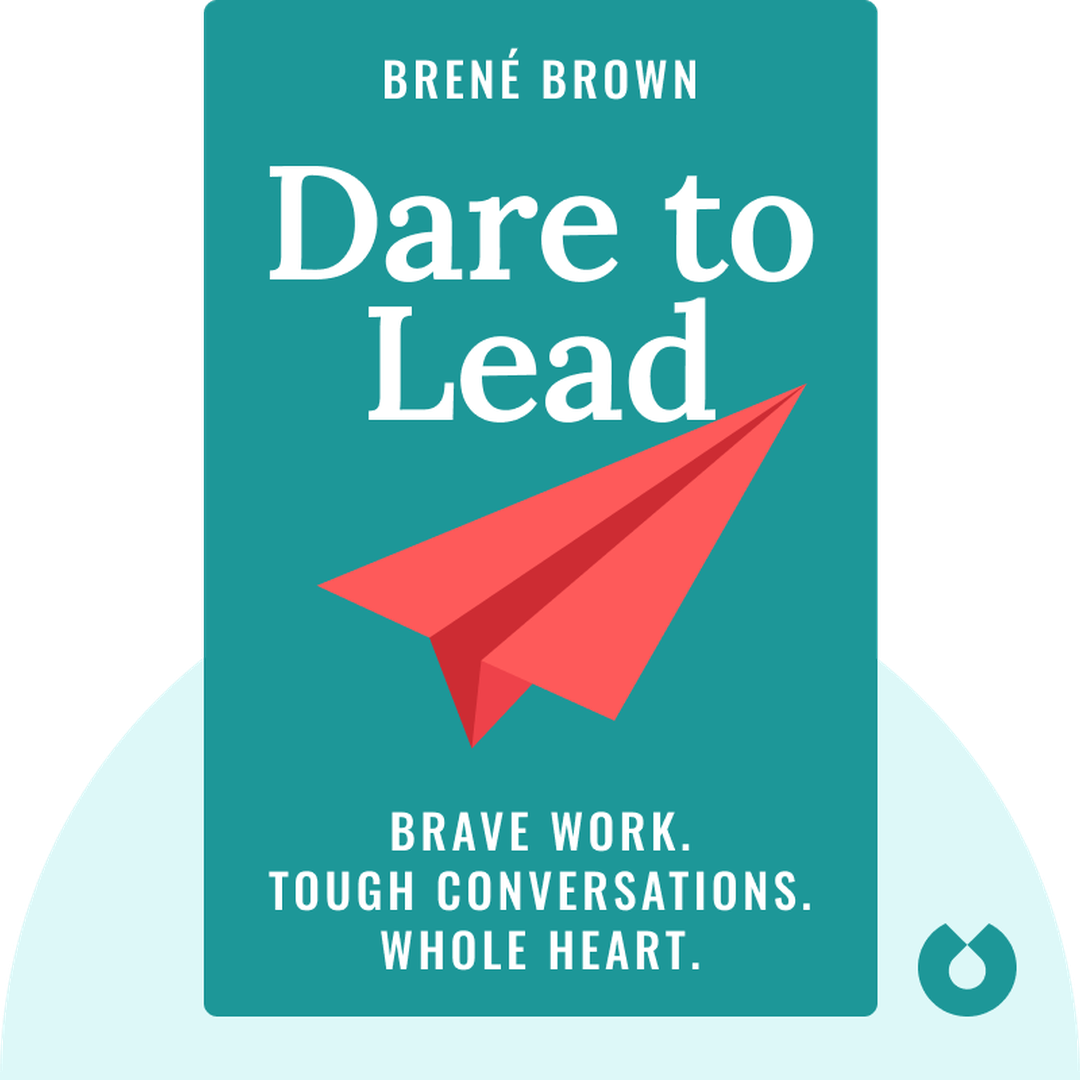
Listen to Dare to Lead — Cinematic Audio Edition
Loading player...
Key Takeaways from Dare to Lead
- Discover why true leadership isn't about power or position, but rather relies on embracing vulnerability as a courageous superpower that drives innovation.
- Learn how to foster a culture of growth by adopting the principle that 'clear is kind,' realizing that avoiding difficult conversations only creates larger problems.
- Master the art of navigating tough team feedback by leading with curiosity and using the 8-second rule to push through moments of extreme emotional discomfort.
- Find out how to use 'permission slips' at the start of meetings to allow your team to check in with their intentions, creating a safe space for sharing and accountability.
- Understand why a lack of transparency causes employees to invent their own harmful narratives to fill the gaps, and learn why clear communication is essential for team cohesion.
Learning Tools
Reinforce what you learned from Dare to Lead
Mind Map
Dare to Lead
Redefining Vulnerability+
Courageous Communication+
Cultivating Open Culture+
Combating False Narratives+
Anchoring to Core Values+
Shedding Perfectionism & Numbing+
Quiz — Test Your Understanding
Question 1 of 8
According to the text, what is the true secret to great leadership?
Question 2 of 8
How does the text reframe the concept of vulnerability in a leadership context?
Question 3 of 8
What is the '8-second rule' mentioned in the context of difficult conversations?
Question 4 of 8
What is the purpose of using 'permission slips' before a meeting?
Question 5 of 8
What happens when leaders fail to provide their team with clear information and transparency?
Question 6 of 8
Why does Brené Brown recommend narrowing your core values down to exactly two?
Question 7 of 8
How does the text view perfectionism in the context of daring leadership?
Question 8 of 8
According to the final advice in the text, what should you do when you feel the urge to numb your vulnerability with things like alcohol or shopping?
Dare to Lead — Full Chapter Overview
- 1Recommendation
- 2Start your leadership journey by rethinking vulnerability.
- 3How can you make room for real vulnerability?
- 4Create meeting spaces that foster sharing and honesty in company culture.
- 5Use meetings to clarify missing information and knowledge gaps.
- 6Clarifying your core values gives you direction and helps you make decisions with conviction.
- 7The pursuit of perfection gets in the way of strong leadership, courage, and growth.
- 8Final summary
Dare to Lead Summary & Overview
Dare to Lead (2018) explores how to find the inner courage to lead a great team. Drawing on Brené Brown’s research and experience as a leadership coach, it shows how you can harness your emotions, quash your fear of failure, and become a daring leader in an increasingly competitive world.
Who Should Listen to Dare to Lead?
- Business psychology buffs seeking new insights
- Leaders searching for fresh ways to connect with their team
- Anyone trying to build their courage in the workplace
Books Similar to Dare to Lead
Readers who enjoyed this also liked these titles.