If You're Curious About These Questions...
You should listen to this audiobook
- Why do less than 7 percent of rape incidents result in convictions, and what specific cultural biases make prosecutors so hesitant to bring these cases to trial in the first place?
- How does the book explain the disturbing sociological motivations behind gang rape, and why are the victims of these violent 'male bonding rituals' sometimes not women at all?
- How do mainstream media and pop culture subtly train society to normalize sexual assault, and how could the progressive shift toward an affirmative 'yes means yes' standard fundamentally change this narrative?
Listen to Asking for It — Free Audiobook
Loading player...
Key Takeaways from Asking for It
- Rape culture actively shifts the blame onto victims by scrutinizing their behavior and clothing while often expressing more concern for the ruined reputations of the perpetrators.
- Advising women to restrict their movements to avoid assault is counterproductive and reinforces a culture that unfairly holds victims responsible for preventing their own abuse.
- Gang rape frequently functions as a ritual to solidify male identity and gain peer approval, targeting not just women, but also men who are perceived as outsiders or overly feminine.
- Extremist political factions perpetuate dangerous, unscientific myths—such as the idea that biological trauma from a 'real' rape prevents pregnancy—to invalidate victims and push political agendas.
- Combating sexual violence requires a societal shift away from the defensive 'no means no' framework toward an ongoing, affirmative 'yes means yes' standard of mutual consent.
Learning Tools
Reinforce what you learned from Asking for It
Mind Map
Asking for It
The Reality of Rape Culture+
Victim Blaming & Exoneration+
Toxic Masculinity & Gang Rape+
Justice System Failures+
Biological Myths & Extremism+
Media & Pop Culture+
Redefining Consent+
Quiz — Test Your Understanding
Question 1 of 9
According to the text, what shocking statistic highlights the lack of justice in rape cases compared to other severe crimes like murder?
Question 2 of 9
In the 2010 Cleveland, Texas gang rape case involving an 11-year-old girl, how did the defense and much of the community react to the perpetrators?
Question 3 of 9
Why does the author argue that police advice instructing women to "restrict their movements" to avoid rape is counterproductive?
Question 4 of 9
Based on anthropologist Peggy Reeves Sanday's study, what social purpose does gang rape often serve for the perpetrators?
Question 5 of 9
How did Sergeant Jerry Blash's handling of the Ben Roethlisberger case illustrate police complicity in rape culture?
Question 6 of 9
What is the primary reason prosecutors are often hesitant to bring rape cases to trial?
Question 7 of 9
What twisted logic do some political extremists use to argue that a woman who gets pregnant was not actually raped?
Question 8 of 9
What was the shocking audience reaction to a scene in the show Mad Men where the character Joan is overpowered and forced into sex by her boyfriend?
Question 9 of 9
What shift in the cultural understanding of consent is being promoted by progressive communities and laws like the 2014 California mandate?
Asking for It — Full Chapter Overview
- 1Recommendation
- 2Rape victims are often blamed for their own assaults.
- 3Women shouldn’t have to sacrifice their freedom to avoid being raped.
- 4Gang rape stems from rape culture: the celebration of male virility and the degradation of femininity.
- 5Police officers reinforce rape culture when they dismiss victims or side with perpetrators.
- 6Prosecutors are often reluctant to take rape cases to court.
- 7Some parts of the anti-abortion movement have a bizarre way of defining “real” rape.
- 8The media and entertainment industries help perpetuate rape culture.
- 9Lawmakers and progressive media are advancing a healthier understanding of consensual sex.
- 10Final summary
Asking for It Summary & Overview
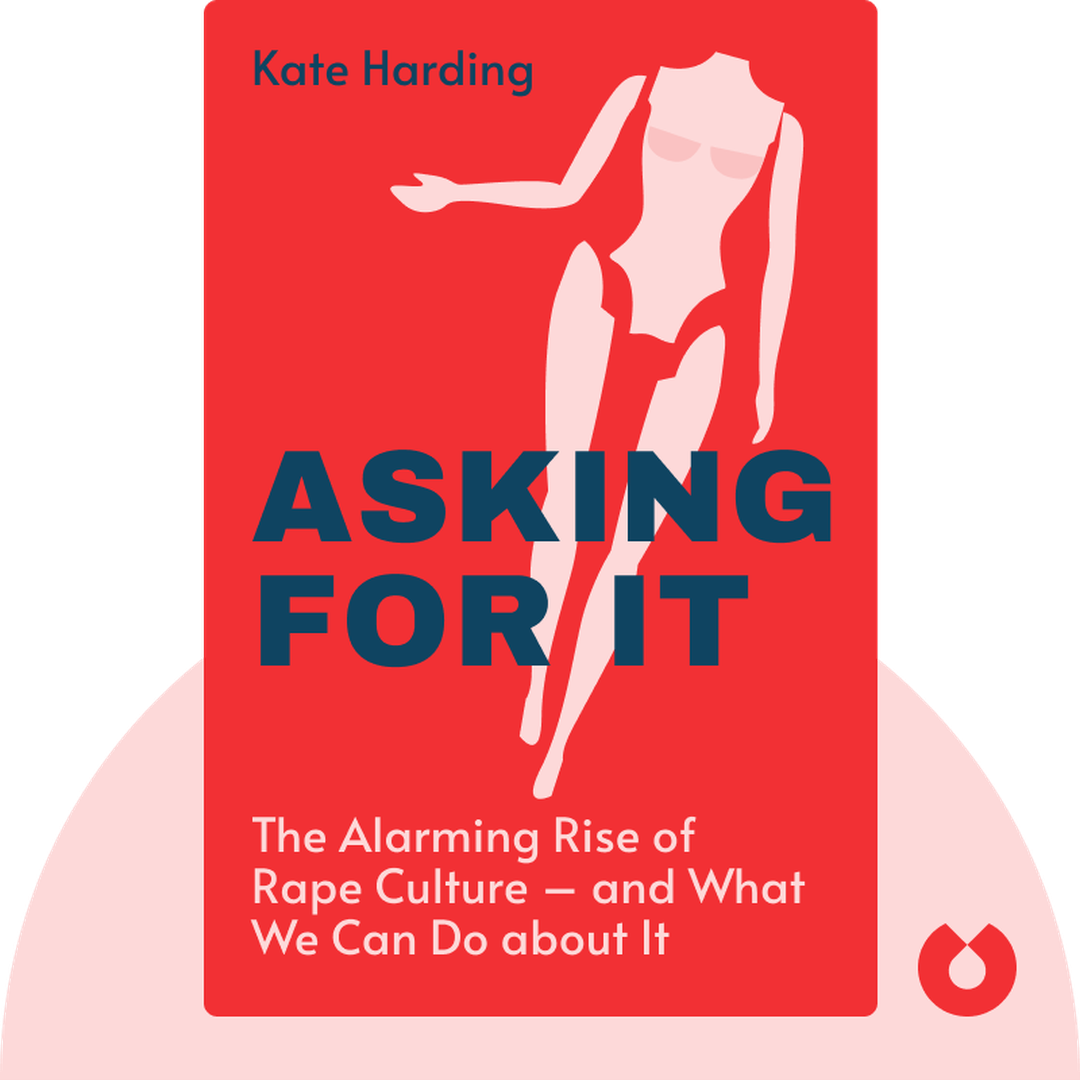
Asking for It (2015) is about rape culture, the social and cultural practices that normalize rape by diminishing the experiences of victims and vindicating perpetrators. These blinks outline the various manifestations and effects of rape culture, and the steps we can take to dismantle it.
Who Should Listen to Asking for It?
- Anyone whose life has been affected by sexual violence
- Romantic partners looking to understand more about consensual sex
- Policy makers and sex educators
Books Similar to Asking for It
Readers who enjoyed this also liked these titles.