Theme Song
If You're Curious About These Questions...
You should listen to this audiobook
- Have you ever wondered why that relentless 'voice in your head' is often your biggest source of stress, and how you can finally learn to tame it?
- What if you could scientifically rewire your brain to handle the chaos of modern life without needing to become a monk or change your personality?
- Are you curious about how a simple, 'no-nonsense' approach to meditation could make you just 10% happier—and why that small shift is actually a total game-changer?
Listen to 10% Happier — Cinematic Audio Edition
Loading player...
Key Takeaways from 10% Happier
- Understand that your ego is the constant inner narrator dictating your thoughts, and learn why reining in this voice is the key to a happier, healthier life.
- Discover why your ego's hunger can never be satiated by material success, as its constant obsession with the past and future prevents you from finding peace in the present.
- Learn how practicing mindfulness equips you with the ability to calmly respond to life's stressors instead of blindly reacting to impulsive, ego-driven emotions.
- Find out how meditation physically alters your brain by shrinking stress centers and building the gray matter associated with self-awareness, leading to healthier choices.
- Master the art of taming your ego without losing your competitive edge or becoming a passive pushover in your personal and professional life.
Learning Tools
Reinforce what you learned from 10% Happier
Mind Map
10% Happier
Understanding the Ego+
The Practice of Meditation+
The Benefits of Mindfulness+
Managing Negative Emotions+
Quiz — Test Your Understanding
Question 1 of 8
How does the author primarily define the 'ego' in the context of our everyday behavior?
Question 2 of 8
According to the text, why does achieving what your ego wants fail to bring lasting happiness?
Question 3 of 8
What is the key difference between how a mindful person and an ego-driven person handle a stressful situation, such as receiving harsh criticism?
Question 4 of 8
How does practicing compassion and self-compassion practically benefit an individual, according to scientific studies mentioned in the text?
Question 5 of 8
What common fear do people have about the Buddhist concept of 'letting go' that the author argues is a misconception?
Question 6 of 8
Buddhist teachings suggest humans have three habitual responses to experiences: wanting it, rejecting it, or zoning out. What is the fourth option provided by mindfulness?
Question 7 of 8
According to psychotherapist Tara Brach, what is the final stage in effectively dealing with negative emotions?
Question 8 of 8
What is the primary focus of 'metta meditation' as described in the book's actionable advice?
10% Happier — Full Chapter Overview
- 1Recommendation
- 2Your ego is your inner narrator, your sense of “I,” and the voice that tells you what to do.
- 3Your ego’s endless hunger for more can’t be satisfied, and it will always push you onward.
- 4Manage your ego by practicing mindfulness and building compassion for others.
- 5Taming your ego doesn’t mean losing your edge or becoming a pushover.
- 6Meditation is a simple way to build mindfulness and compassion in daily life.
- 7Meditation benefits the body by helping reduce the effects of stress and even disease.
- 8Accept your negative emotions, then distance yourself from them through non-identification.
- 9Final summary
10% Happier Summary & Overview
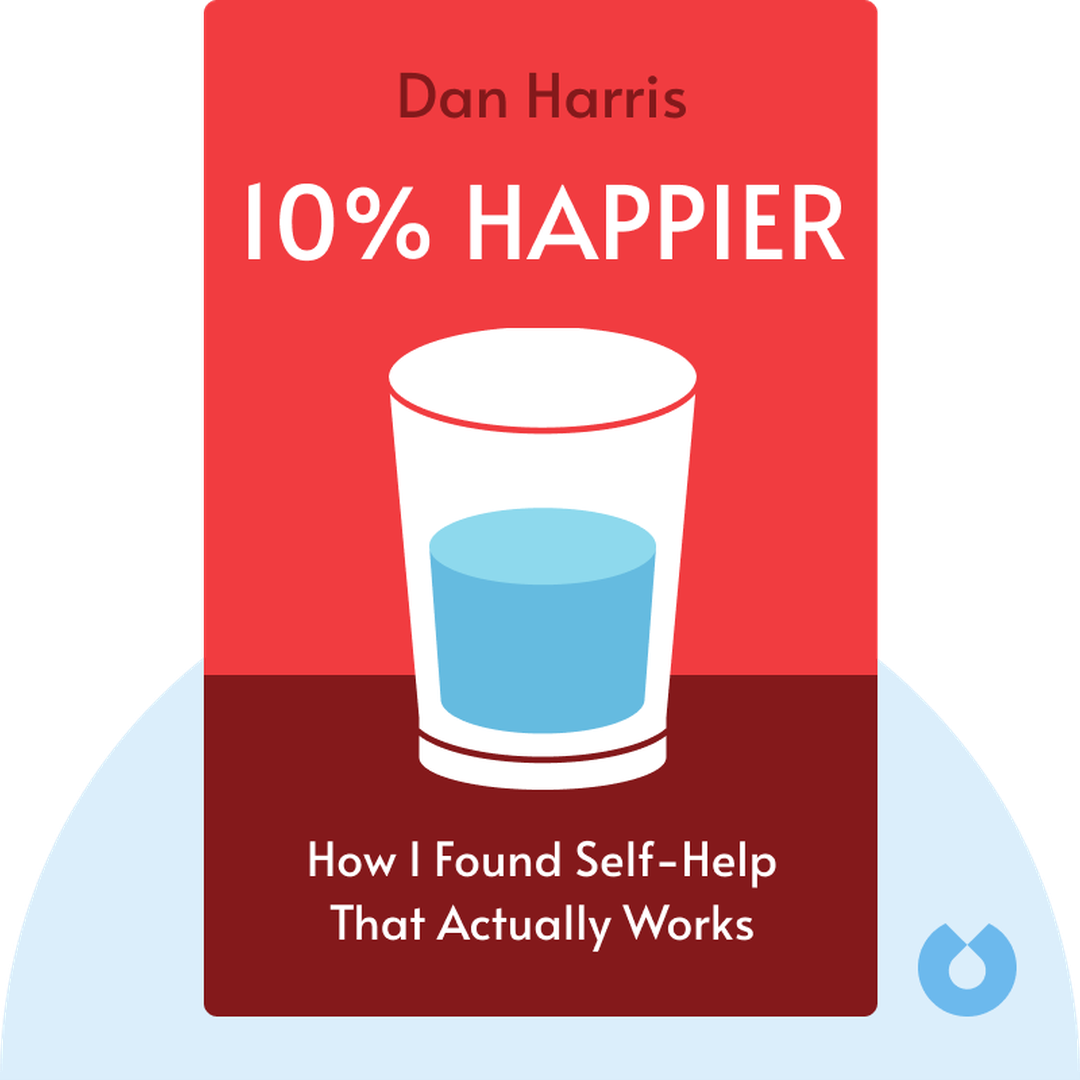
10% Happier demystifies the ancient art of meditation by explaining recent, cutting-edge scientific research into how meditation affects your body and mind. Importantly, it shows you just how valuable meditation can be in coping with the chaos and stress of modern life.
Who Should Listen to 10% Happier?
- Anyone who battles with stress and wants to find a way out
- Anyone who is skeptical or curious about meditation and how it works
- Anyone content with their life but could benefit from more happiness
Books Similar to 10% Happier
Readers who enjoyed this also liked these titles.